



Table of Content
Introduction
Rolling green hills, ancient castles, and the sound of bagpipes all paint a vivid picture of Scotland. Traditional Scottish clothing is at the heart of its cultural identity, a symbol of heritage and pride. From the bold tartan patterns to the rugged charm of the kilt, Highland dress is more than just fashion. It is a legacy passed down through generations.
However, the Scottish style is not just rooted in the past. Today, these timeless garments seamlessly blend into modern wardrobes, proving that tradition and contemporary fashion can go hand in hand. Let’s explore the origins, evolution, and enduring appeal of Scottish clothing.
The Origins of Traditional Scottish Clothing
Traditional Scottish clothing, or Highland dress, dates back over 1,000 years. Its origins can be traced to the early medieval period when the Gaelic-speaking Scots and Picts inhabited the Highlands. The earliest recorded mention of tartan dates back to the 3rd century AD, when Roman historians described the "striped and checkered cloaks" worn by Celtic tribes in Scotland.
By the 16th century, the féileadh-mór (great kilt) became the standard attire for Highland men. This versatile garment, a long tartan fabric wrapped around the body and belted at the waist, allowed clothing and bedding in Scotland’s harsh climate. However, following the failed Jacobite Rising of 1745, the British government imposed the Dress Act of 1746, banning wearing kilts and tartan to suppress Highland culture. This law remained in effect for nearly 40 years until it was repealed in 1782, marking the resurgence of Highland dress as a symbol of national pride.
By the 19th century, under the influence of King George IV and Queen Victoria, Scotland traditional wear saw a revival, becoming formal wear for Scots worldwide.

Traditional Scottish Clothing
1. Kilt
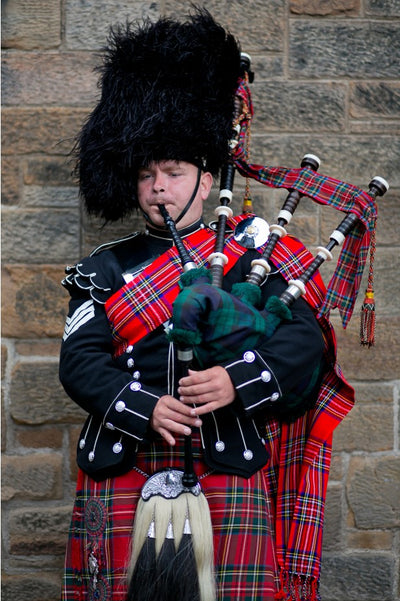
The kilt is the most recognizable piece of traditional Scottish clothing, symbolizing heritage, pride, and clan identity. Made from pleated tartan wool, each kilt features patterns representing different Scottish families and regions. Historically, it evolved from the feileadh mòr, an extensive fabric draped over the shoulders, before transforming into the modern knee-length kilt we see today.
While often associated with formal and ceremonial occasions, the kilt is also versatile. Paired with accessories like a sporran, belt, and sgian-dubh, it completes the classic Highland dress. Whether worn for festive gatherings or casual outings, the kilt remains a timeless emblem of traditional clothes from Scotland.
2. Trews
While kilts often steal the spotlight, trews have been a part of Scottish attire for centuries. These fitted tartan trousers, dating back to the 16th century, were initially favored for cold weather and horseback riding. Unlike loose-fitting modern trousers, trews are high-waisted and tailored closely to the leg, often reinforced with leather patches to prevent wear from riding.
Once outlawed under the Dress Act of 1746, trews made a strong comeback after the ban was lifted in 1782. Today, they are a sleek, refined option for those who prefer trousers over kilts but still want to honor Scottish traditional clothing. Paired with an Argyll or Prince Charlie jacket, trews offer a sophisticated and historically significant alternative to Highland dress.

3. Jackets
Prince Charlie Jacket
The Prince Charlie jacket is the pinnacle of Scottish evening wear. Think of it as the Highland equivalent of a tuxedo—it’s sleek, tailored, and meant for black-tie events. This short-waisted jacket features ornate silver buttons, scalloped tails at the back, and satin lapels, giving it a distinctly refined look.
Traditionally worn with a bow tie, waistcoat, ghillie brogues, and full-dress sporran, the Prince Charlie jacket exudes elegance. Though it was first marketed in the early 20th century, its design was inspired by regal and military fashion, making it an enduring choice for formal occasions.
Argyll Jacket
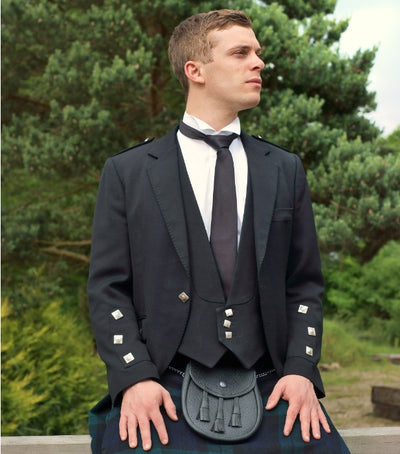
The Argyll jacket is a perfect choice for those seeking a versatile, semi-formal option. Unlike Prince Charlie, this jacket is less structured, making it suitable for day and evening wear. It features gauntlet cuffs, pocket flaps, and a cutaway front, allowing it to be worn with a kilt and sporran.
Often crafted from tweed, solid fabric, or even tartan, the Argyll jacket pairs well with a standard tie or cravat. Whether you’re attending a Scottish wedding, business event, or ceilidh, this jacket balances tradition and modern elegance.

4. Waistcoat (Vest)
The waistcoat, or vest, is a key element of Scottish cultural clothing, adding elegance and formality to Highland attire. Typically worn over a Ghillie shirt and under a Prince Charlie or Argyll jacket, the waistcoat is often tailored from tartan, tweed, or solid-colored fabrics like black or grey. It features ornate silver buttons and is commonly paired with kilts for formal events such as weddings and Highland gatherings.
In modern Highland fashion, waistcoats are sometimes worn without jackets, offering a refined yet comfortable alternative for semi-formal occasions. Whether paired with a full Highland dress or a more casual look, the waistcoat remains a timeless and sophisticated addition to Scottish attire.

5. Ghillie Shirt (Jacobite shirt)
The Ghillie shirt, also known as the Jacobite shirt, is a traditional loose-fitting garment with lace-up ties at the chest instead of buttons. Made from cotton or linen, it offers comfort and breathability, making it a popular choice for casual Highland wear. Historically associated with Jacobite rebels, the shirt represents Scottish resilience and heritage.
Today, the Ghillie shirt is often worn with kilts for a relaxed yet authentic look, particularly at ceilidhs (Scottish dances), Highland festivals, and informal gatherings. Its rugged yet stylish appeal makes it a versatile addition to traditional and modern Scottish fashion.

6. The Arisaid
The Arisaid was the Highland equivalent of the kilt for women, a versatile tartan garment worn across different social classes. It was a large rectangular fabric fastened with a brooch or belt and could be styled as a shawl, cloak, or full-length gown, depending on the occasion.
Highly functional yet elegant, the Arisaid was a symbol of Scottish identity, offering warmth, modesty, and sophistication. While it is no longer worn as daily attire, modern tartan shawls and wraps are inspired by this timeless piece of Scottish heritage.

7. Kilted Skirt
The kilted skirt is the female counterpart to the traditional kilt. It is designed with pleats and tartan fabric while offering a more tailored fit. Available in various lengths, from above-the-knee casual skirts to full-length formal styles, it is commonly paired with a blouse, waistcoat, or tartan sash for a graceful yet traditional look.
Although women historically didn’t wear kilts, kilted skirts have become a staple in Scotland traditional clothing, allowing women to proudly embrace their heritage while maintaining a distinct and elegant style.

Footwear and Accessories
8. Ghillie Brogues
No traditional Scottish outfit is complete without Ghillie brogues. Designed for rugged Highland terrain, these lace-up shoes stand out with their tongue-less design, allowing air circulation to keep feet dry. Their long laces wrap securely around the ankles, ensuring stability for walking, dancing, or marching in grand Scottish processions.
Today, Ghillie brogues are an essential element of formal Scottish attire, adding a refined yet historic touch when paired with a kilt. Traditionally made from high-quality black or brown leather, they often feature intricate perforations for added style. While primarily worn by men, women also embrace Ghillie brogues, particularly for Highland dancing and formal events, proving that this iconic footwear is as versatile as it is timeless.

9. Sporran
Ever wondered where Scotsmen keep their essentials while wearing a kilt? The sporran is the answer—a stylish, functional pouch that replaces pockets, holding everything from coins to ceremonial tokens. Its design ranges from simple leather for casual wear to ornate, fur-adorned styles for formal occasions.
Sporrans are typically decorated with intricate embossing, tassels, or metal clasps, reflecting Scottish identity and heritage. Some feature clan crests, while others display Celtic motifs, making them a statement piece as much as a practical item. Whether worn front and center or slightly to the side, the sporran remains an iconic element of Highland dress, connecting traditions with present-day elegance.

10. Belt and Buckle
The belt and buckle are more than just a functional addition to Scottish Highland dress—they symbolize heritage and status. Traditionally worn over the kilt, a wide leather belt provides extra support and enhances the overall look of the outfit. The buckle, often engraved with Celtic patterns, clan crests, or intricate thistle designs, adds an element of personal expression and cultural pride.
Historically, Scottish clan chiefs gifted metal plates with their crest to their followers, later transforming them into the modern-day kilt belt buckle. While not typically worn with formal jackets like Prince Charlie, the belt remains a staple in casual and semi-formal Highland attire, reinforcing tradition and practicality.

11. Fly Plaid
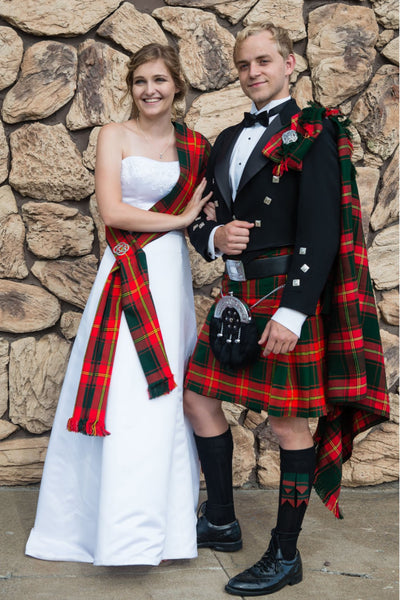
The fly plaid is a ceremonial tartan accessory draped over the shoulder and secured with a brooch. It traces back to the Great Plaid (Féileadh Mòr) of the 16th century, originally worn as a full-body wrap. As kilts became more refined, the fly plaid emerged to preserve the grandeur of Highland dress while making it more practical.
Traditionally paired with formal jackets like Prince Charlie, it adds elegance to weddings, Highland games, and clan gatherings, reinforcing Scottish heritage with every fold.
12. Kilt Pin
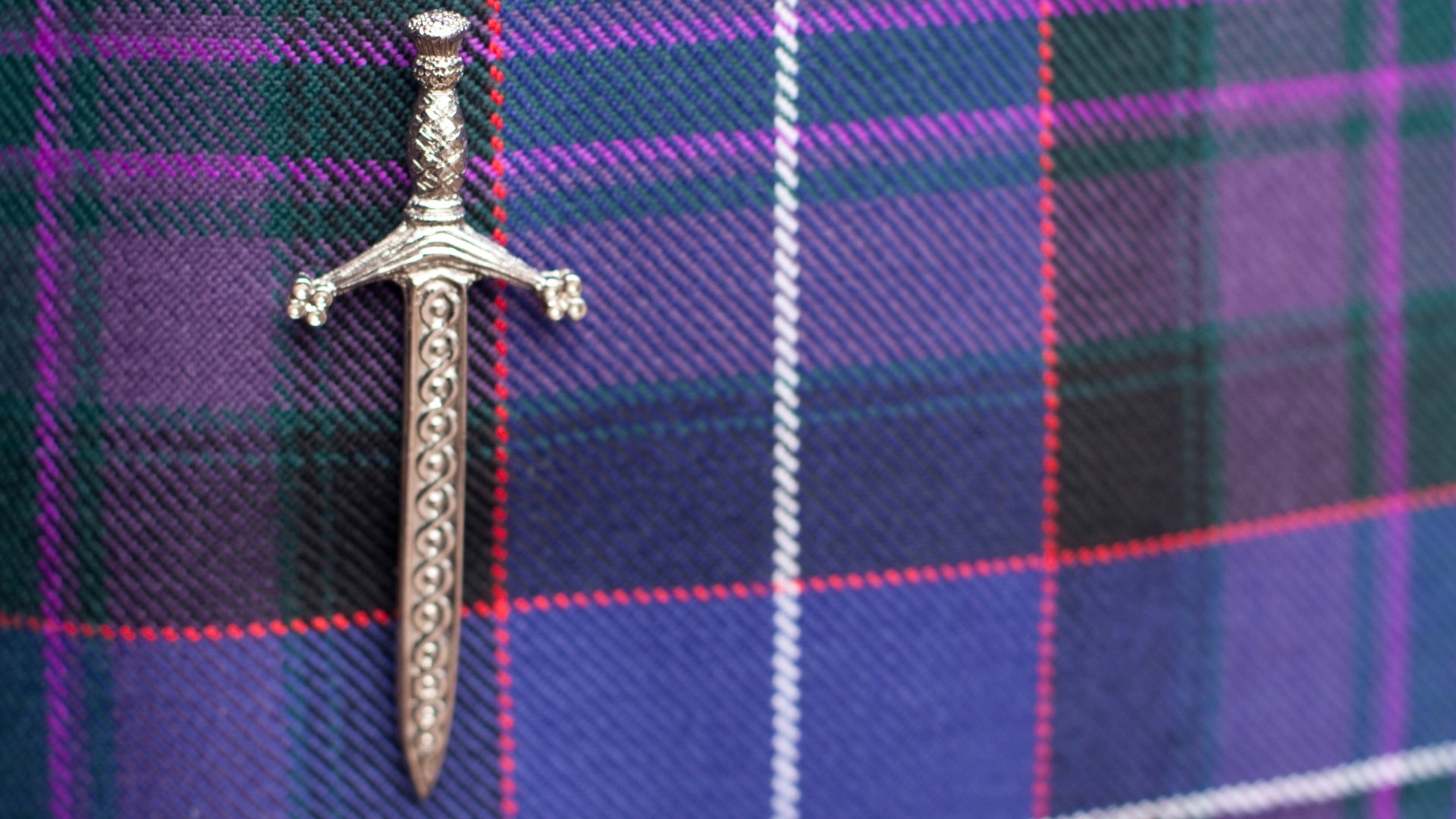
A kilt pin may be small, but it serves a big purpose—keeping the kilt in place against Scotland’s unpredictable winds. Beyond function, it’s also a stylish accessory, often showcasing clan heritage or personal flair.
From traditional Celtic motifs to Scottish thistles and clan crests, kilt pins come in various intricate designs. Some believe that the tradition dates back to Queen Victoria, who, upon seeing a soldier struggle with his kilt in a gust of wind, kindly pinned it down with her brooch. Whether this story is true or not, one thing is sure: a well-chosen kilt pin completes the Scottish ensemble with elegance and practicality
13. Tartan Sash or Shawl
The tartan sash or shawl is a defining piece of traditional Highland dress for Scottish women. Typically draped over one shoulder and secured with a brooch, the sash symbolizes family lineage and Scottish pride, adding heritage and elegance to any outfit.
A tartan shawl, often folded into a triangle, is wrapped around the shoulders for warmth or style. Whether made from wool or silk, these timeless accessories remain staples at ceilidhs, weddings, and cultural gatherings, ensuring Scottish heritage is worn and celebrated.

14. Hose and Flashes
No traditional Scottish outfit is complete without a pair of kilt hose and flashes. Kilt hose are knee-high socks, traditionally made of wool, designed to complement the Scottish kilt ensemble. They provide warmth and structure while offering a refined look. The flashes, small strips of tartan or colored fabric, serve both a practical and decorative purpose—they help secure the hose with elastic garters and add a splash of color that ties the outfit together.
Flashes are usually visible just below the folded cuff of the hose, with their vibrant colors often matching the wearer’s kilt. Whether engaging in energetic ceilidh dancing or formal gatherings, these subtle yet essential accessories keep Scottish heritage alive in every step.

15. Sgian-dubh and Dirk
The sgian-dubh (pronounced "skee-an doo") and the dirk are iconic Scottish blades, each carrying historical and cultural significance. The sgian-dubh is a small, single-edged knife traditionally tucked into the top of the kilt hose, with only the hilt visible. Originally a practical tool for daily tasks, it has become a ceremonial accessory, often featuring intricate handles adorned with silver or gemstones.
The dirk, a longer dagger ranging from 12 to 18 inches, was once a Highland warrior’s weapon of choice, used in battle and as a mark of status. Today, the dirk is primarily worn for formal occasions, such as weddings and military ceremonies, representing the enduring spirit of Scottish history and chivalry.

16. Balmoral Bonnet
The Balmoral bonnet, named after Balmoral Castle, is one of the most recognizable pieces of Scottish headwear. Originating in the 16th century, this flat wool cap was once a staple for Highland warriors. It evolved into a symbol of Scottish pride. Traditionally dark blue, black, or green, the Balmoral is adorned with a clan badge, ribbons, and sometimes a diced band for added detail.
Still favored in Scottish military and formal Highland dress, the Balmoral bonnet maintains its historic charm while remaining a stylish accessory for those honoring their Scottish roots.
17. Glengarry Bonnet
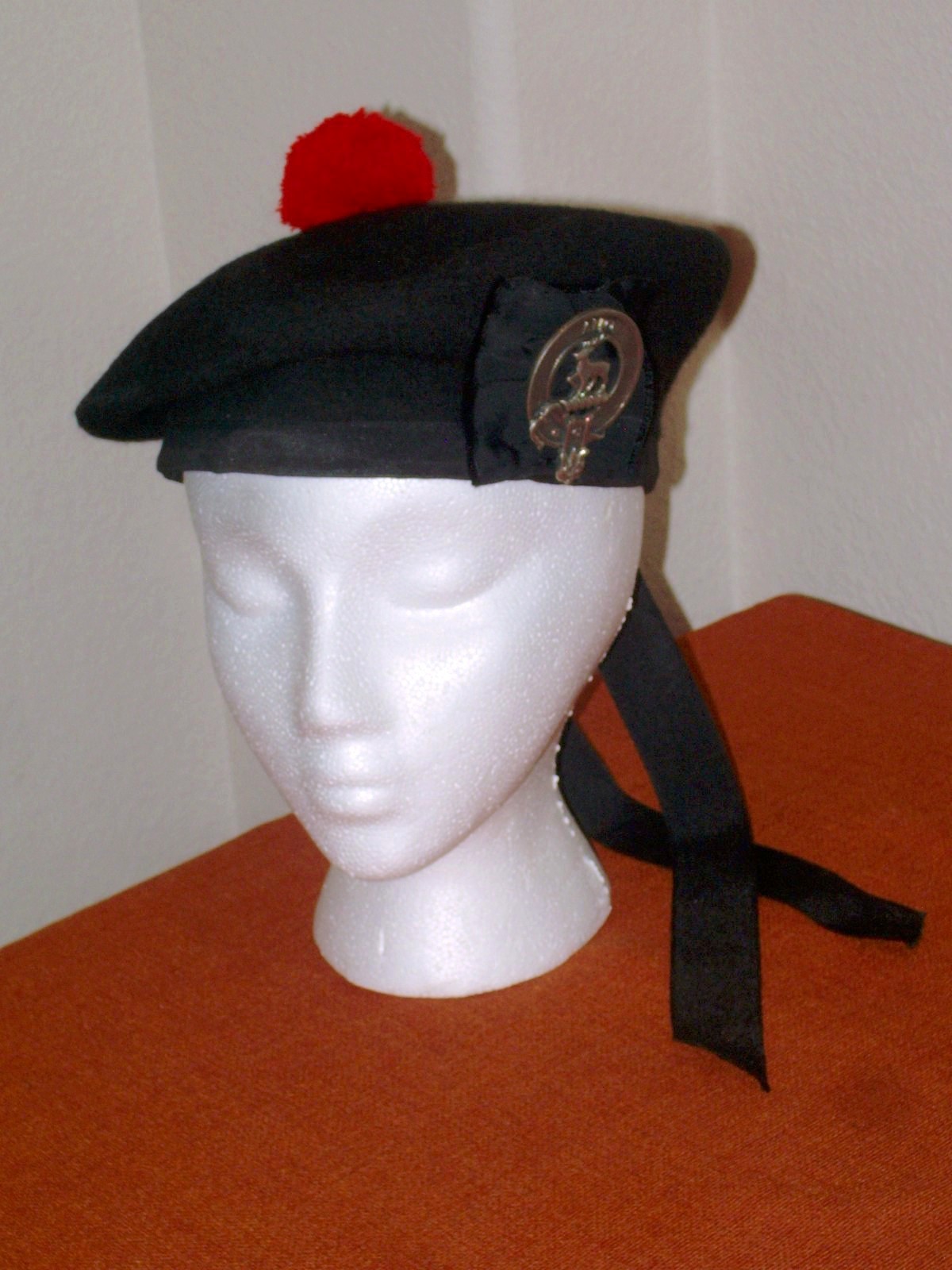
The Glengarry bonnet is a structured, boat-shaped wool hat with a toorie (pom-pom) on top and hanging ribbons at the back. Introduced in the 18th century, it became standard headgear for Scottish military regiments. It remains a popular choice for pipe bands and Highland dresses.
Worn at an angle, with the badge positioned above the right eye, the Glengarry exudes authority and tradition. Its distinct style makes it instantly recognizable, linking modern wearers to Scotland’s military heritage while adding an element of sophisticated Highland fashion.

18. Tam o' Shanter
The Tam o’ Shanter, often called simply a "tam", is a soft woolen bonnet with a broad, flat crown and a decorative pom-pom on top. Initially worn by Scottish men in the 16th century, this hat gained widespread recognition thanks to Robert Burns’ famous poem, "Tam o' Shanter".
Unlike the more structured Balmoral or Glengarry, the tam has a laid-back appeal, making it a popular choice for casual Highland wear. It is favored by both men and women and is often styled at a slight tilt for a relaxed yet undeniably Scottish look.

When and Where to Wear Traditional Scottish Clothing
Traditional Scottish clothing isn’t just for special occasions—it’s a proud statement of heritage and style. Whether you’re dressing up or keeping it casual, there’s always a perfect time to wear tartan!
1. Weddings & Formal Events

2. Highland Games & Festivals
Highland Games, Burns Night, and St. Andrew’s Day are perfect for showcasing Scotland traditional clothing. Whether competing or cheering, kilts, tartan accessories, and ghillie brogues complete the look.

3. Casual & Everyday Wear
4. Clan Gatherings & Heritage Events
Family tartans shine at clan reunions and cultural festivals. Wearing a kilt, sash, or fly plaid is a meaningful way to honor your Scottish roots.

5. Travel & Exploring Scotland
Visiting Scotland? Why not immerse yourself in tradition? A tartan shawl or full kilt outfit makes for a memorable experience—and stunning photos!
Modern Adaptations of Scottish Clothing
Men’s Tartan Clothing
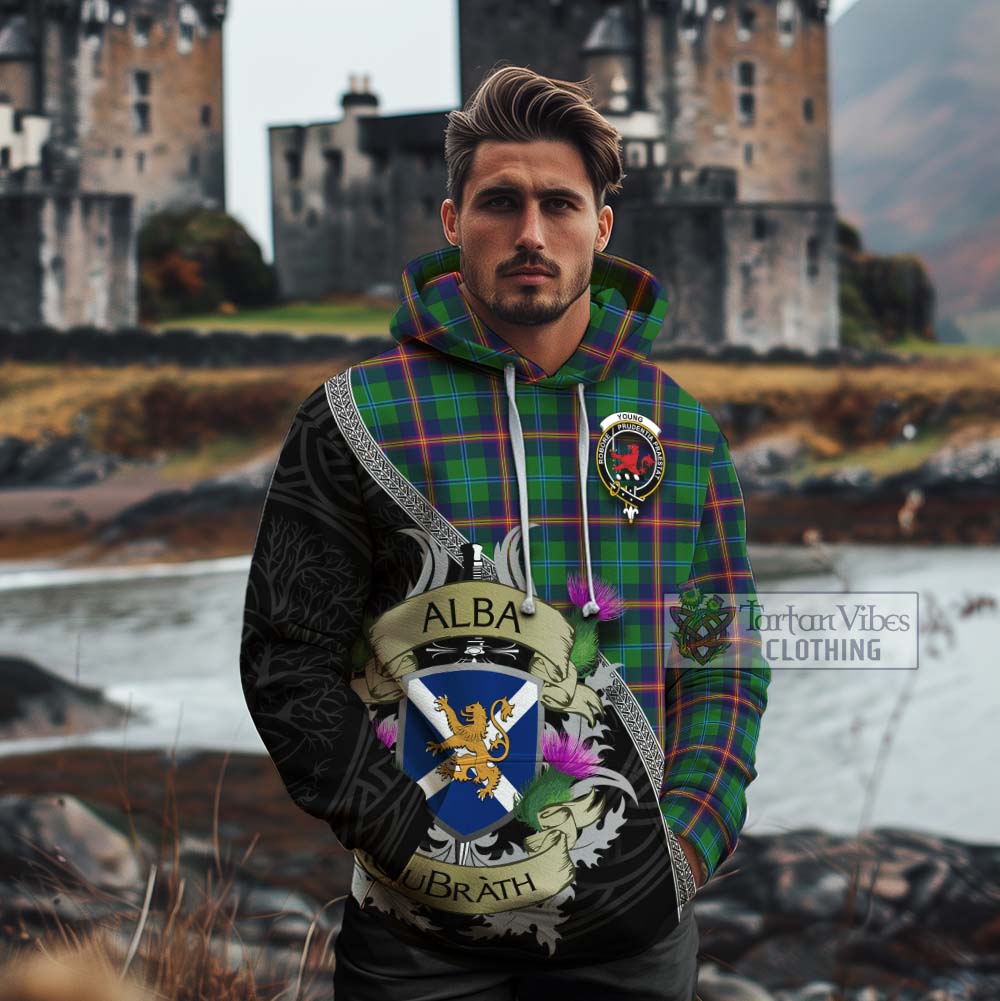
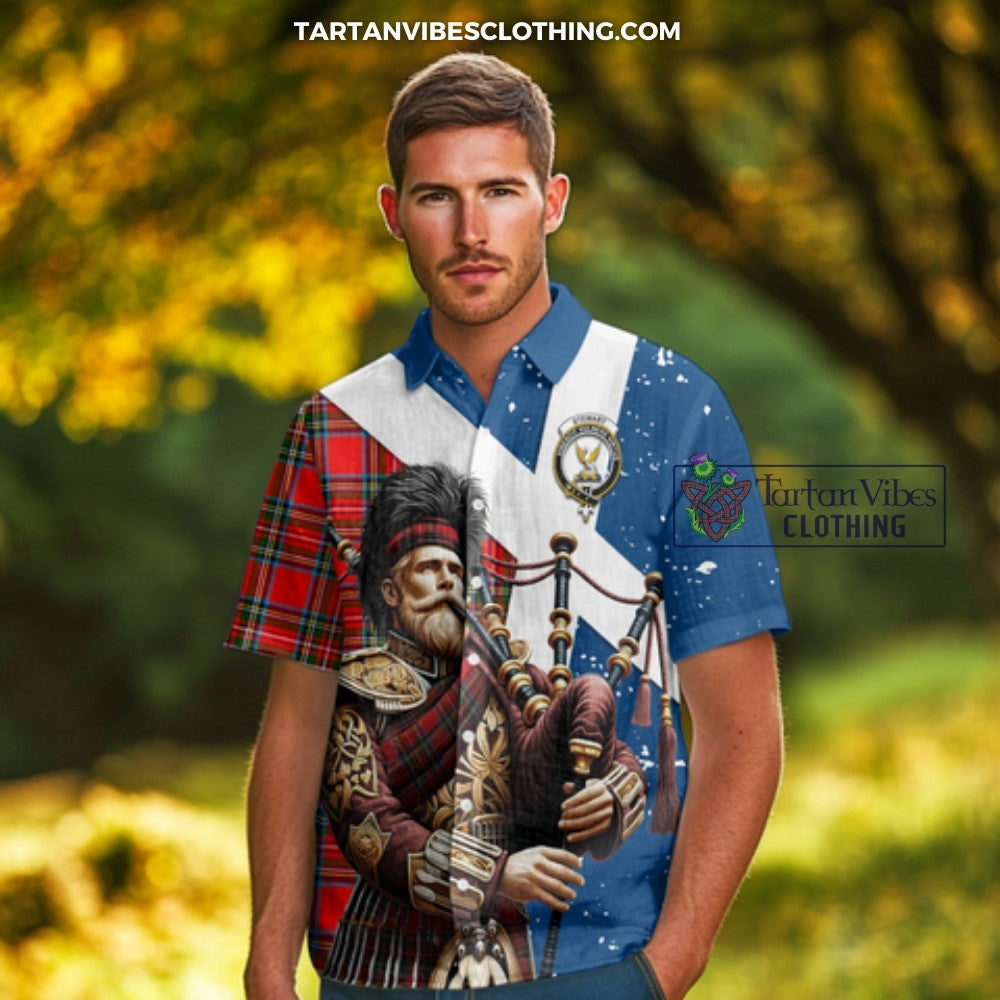
Scottish heritage meets modern style in men’s tartan clothing, bringing timeless patterns into everyday fashion. Whether dressing up for a formal event or keeping it casual, tartan adds a bold and sophisticated touch to any outfit. Explore our standout collections: Short Sleeve Button Shirt, Men’s Polo Shirt, Long Sleeve Polo Shirt, Bomber Jacket and Hoodies…
Women’s Tartan Clothing
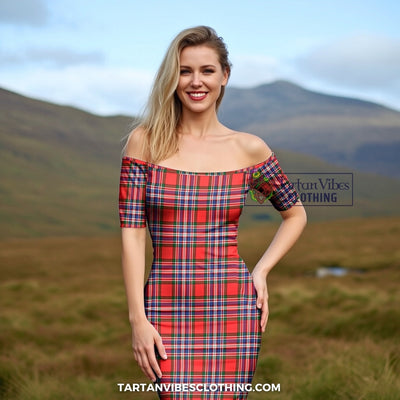
Tartan is a timeless symbol of Scottish heritage, and today, it’s been reimagined for the modern woman. Whether looking for a chic plaid skirt, a cozy tartan hoodie, or an elegant dress with classic patterns, tartan brings tradition and style to any outfit. Add a touch of Scotland to your wardrobe with our standout collections: Women’s Casual Shirt, Melete Pleated Midi Skirt, Women’s Polo Shirt, Hoodie Dress, Off Shoulder Long Dress, Padded Jacket…

Accessories
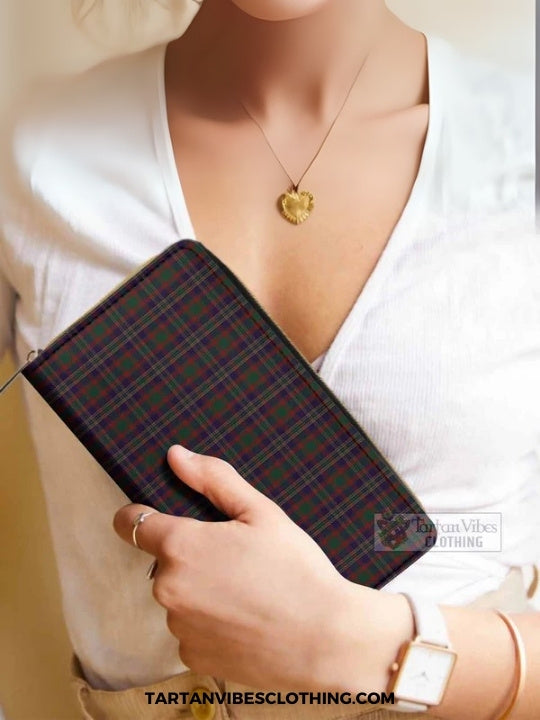
The right accessories can take any outfit from ordinary to outstanding. Whether you're looking to add a stylish touch or embrace Scottish heritage in a modern way, our collection has something for everyone. We've got you covered by Jeff Hats, which brings vintage charm to watches that blend function with elegance. Need something small but impactful? The perfect finishing touch is a classic Wallet or a bold Bow Tie.

Footwear
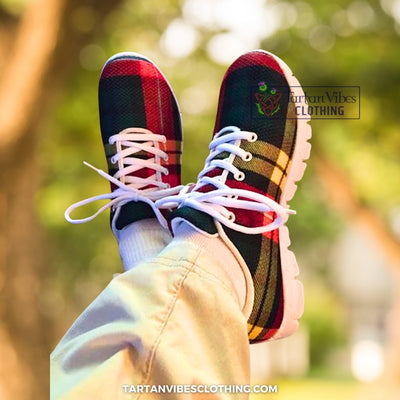
Your shoes say a lot about you, so why not step out in style? Our footwear collection combines comfort and sophistication, perfect for any occasion. Try our Casual Sneakers for everyday wear, make a statement with Leather Boots or High Top Shoes, and when it’s time to relax, slip into our cozy Slippers or keep your feet warm with premium Socks.

Conclusion
Traditional Scottish clothing is more than just attire—it’s a statement of heritage, pride, and timeless style. From the bold elegance of a kilt to the refined sophistication of an Argyll jacket, every piece tells a story, connecting you to Scotland’s rich history.
Why admire it when you can wear it? Explore Tartan Vibes Clothing's collection today and carry the legacy forward in style!
Frequently Asked Questions
What are traditional Scottish clothes?
Highland dress is the traditional, regional dress of the Highlands and Isles of Scotland. It is often characterised by tartan (plaid in North America). Specific designs of shirt, jacket, bodice and headwear may also be worn. On rare occasions with clan badges and other devices indicating family and heritage.
What are scottish clothes called?
Traditional Scottish clothing is commonly referred to as Highland dress. It includes garments such as the kilt, trews, sporran, Argyll jacket, and various tartan accessories representing Scotland’s cultural heritage.
What is a kilt suit called?
A formal or semi-formal kilt outfit, also known as Highland dress, consists of a number of components that come together to create an elegant and traditional Scottish ensemble.
What is a Scottish item of clothing?
Some traditional Scottish clothing pieces include kilts, sporrans, tartan scarves, and Glengarry hats

Teresa Finn
As someone with a deep passion for clan heritage, especially the intriguing world of tartans and their rich traditions, I'm here to be your companion on this exciting journey. Together, we'll delve into the depths of clan history, uncovering the stories behind these vibrant tartans and making every connection to your heritage more meaningful.


.jpg)
.jpg)