



What Is Flannel? History, Uses, and Why It’s More Than Just a Shirt
by Teresa Finn on Nov 27, 2025
Table of Content
Flannel is one of those fabrics that feels like a warm hug on a chilly day. The moment you touch it, you instantly understand why people love it so much. But have you ever stopped to wonder what is flannel, really? Why does it feel so soft? Why is everyone obsessed with flannel shirts every fall? And why do people keep confusing plaid vs flannel or tartan vs flannel?
If you're curious, you're definitely not alone. Flannel may look simple on the surface, but there’s a lot more to it than most people realize. From everyday clothing to cozy home essentials, this fabric quietly appears in more parts of our lives than we realize.
In this guide, we’ll unravel everything from flannel's meaning to what flannel fabric is made of, how it gets its signature texture, how it’s used, and why it continues to be one of the most comforting textiles ever created. Grab a warm drink, settle in, and let’s explore flannel together.
What Is Flannel?
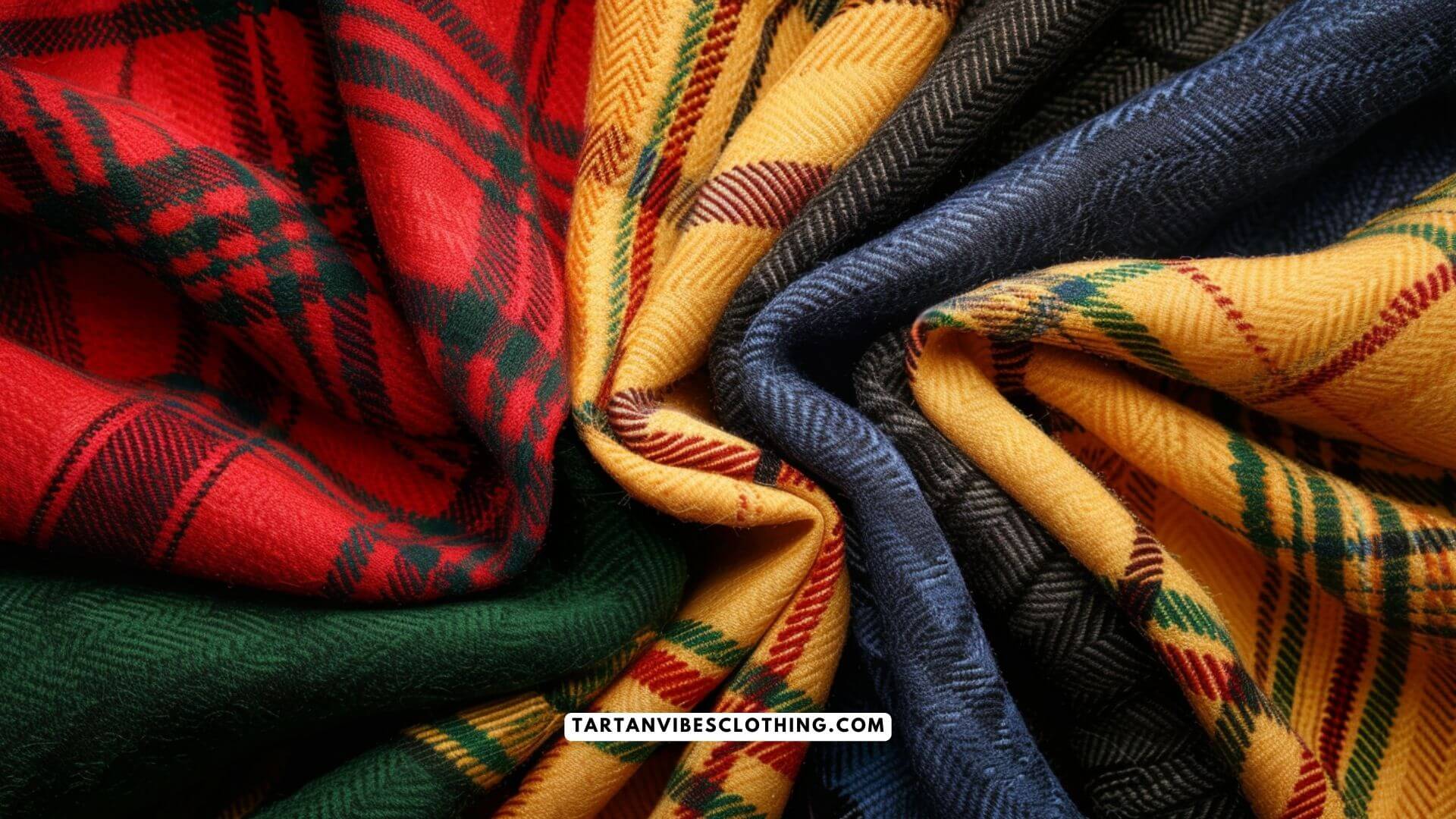
At its core, flannel is a soft, woven fabric that originated from wool but is now also made from cotton or synthetic blends. What sets it apart is its comforting, slightly fuzzy feel — a result of the fabric's craftsmanship.
Many people confuse flannel with patterns like plaid or tartan, but flannel is actually a fabric, not a pattern. You can find flannel in solids, stripes, checks, or yes, classic plaid — but what makes it “flannel” is the way it’s woven and finished, not the design printed on top. So, what is flannel made of? Depending on the manufacturer, it can be:
100 percent cotton
Wool or wool blends
Cotton/polyester blends
Synthetic fibers like polyester
Regardless of the fiber, flannel is beloved for its warmth, breathability, and that signature softness people reach for every fall and winter.
Origins of Flannel – Where the Fabric Came From
Early Use in Wales & Scotland
The earliest versions of flannel originated in Wales during the 16th and 17th centuries. Back then, it wasn’t made from cotton at all. Welsh flannel — often called “Welsh cotton”, despite containing no cotton — consisted of wool softened through carding. This carding process separated wool fibers, making them easier to spin and far gentler against the skin.
The climate of Wales and the Scottish Highlands was wet, cold, and unpredictable, and people needed fabric that was practical, insulating, and durable. Flannel fit the bill perfectly. It kept farmers warm, resisted wind, and dried reasonably well. Before long, flannel became a staple textile throughout rural Celtic territories.
By the 18th century, the French “flanelle” and the German “Flanell” were widely used, proving the fabric's popularity across Europe.
Flannel Evolution in America
Flannel crossed the Atlantic in the 19th century and quickly became essential in America. During the Civil War, soldiers wore flannel garments for warmth. Later, Hamilton Carhartt — yes, that Carhartt — opened a Detroit textile factory in 1889, focused heavily on rugged flannel clothing for workers.
Flannel shirts became a uniform for the American working class. By the mid-20th century, they spread further into everyday life, eventually landing in the hands of outdoorsmen, laborers, and soldiers.

Then came the 1990s.
The grunge movement transformed flannel from workwear into fashion. Bands like Nirvana and Pearl Jam adopted oversized flannel shirts, turning them into a symbol of rebellion, comfort, and authenticity. For many, that’s when plaid flannel officially became legendary.
Today, flannel’s appeal is universal. From hipsters to hikers to fashion lovers to people who want to feel warm, flannel belongs to everyone.

How Flannel Is Made
The Weaving Process
Flannel is typically woven in either a plain or a twill weave. Twill weave is more common in premium flannels, giving the fabric more durability and depth. The loose weave allows air to become trapped in the fibers, contributing to flannel's warmth and softness.
Originally, flannel was made from carded wool or worsted yarn, but modern textiles commonly use cotton or cotton blends. Regardless of fiber type, the defining characteristic remains the airflow-friendly woven structure — something that cannot be replicated in non-woven fabrics like fleece.

The Brushing Technique
Brushing is where the magic happens. Imagine a soft metal brush gliding over the fabric, gently teasing up microscopic fibers. This creates a smooth, brushed texture that’s instantly recognizable. Some flannels are brushed on one side, while others are brushed on both for extra comfort. Unbrushed flannel still feels soft, thanks to loosely spun yarns, but brushed flannel delivers that luxurious warmth people adore.
Brushing also contributes to flannel’s insulating power, making it a truly exceptional winter fabric that keeps heat close to the body without feeling heavy.
Types of Flannel You Should Know
Not all flannel is created equal. There are several types of flannel, each with unique characteristics depending on the fiber used, weight, or fabric finish.
Type of Flannel |
Key Characteristics |
Common Uses |
Cotton Flannel |
Soft, breathable, easy to care for, usually brushed on one or both sides. |
Shirts, pajamas, bed sheets, baby clothing. |
Wool Flannel |
Traditional, insulating, luxurious, thicker, naturally moisture-wicking. |
Suits, trousers, winter coats, premium outerwear. |
Synthetic/Blend Flannel |
Polyester or cotton-poly mix, durable, affordable, wrinkle-resistant. |
Everyday flannel shirts, bedding, home decor. |
Brushed Flannel |
Soft fuzzy surface created by brushing, very warm and cozy. |
Cold-weather flannel shirts, blankets, flannel bedding. |
Unbrushed Flannel |
Smoother surface, still warm due to loose weave, slightly lighter feel. |
Lightweight pajamas, inner layers, casual shirts. |

Common Uses of Flannel
Flannel is one of the most versatile fabrics in the world. Its warmth, comfort, durability, and softness make it suitable for everything from clothing to home goods. Here's how different types of flannel show up in the real world:.
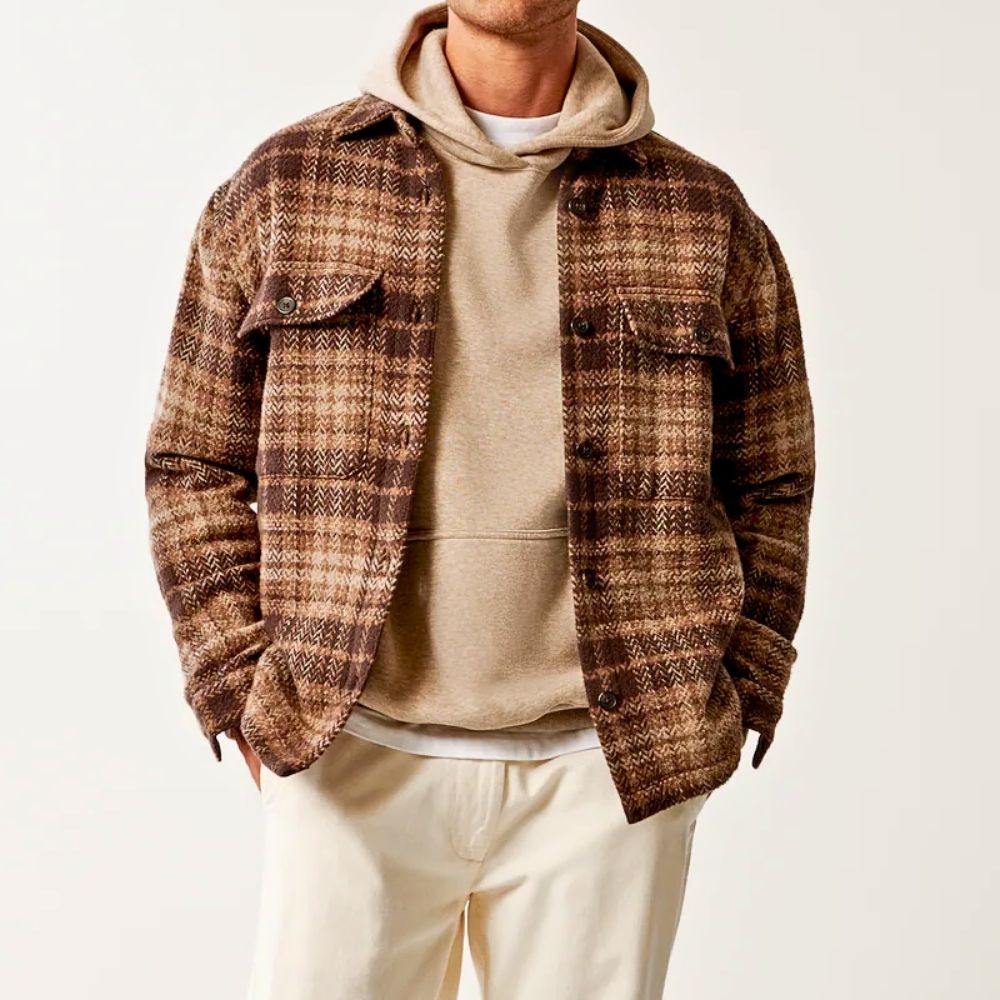
Flannel Shirts: The ultimate cold-weather staple. Whether it’s brushed cotton or a synthetic blend, flannel shirts deliver breathable warmth and a laid-back look — especially when layered in autumn.
Bedding & Sheets: Brushed cotton flannel sheets are a favorite among cold sleepers. They warm up quickly and retain heat without feeling bulky — perfect for cozy nights in.
- Pajamas & Loungewear: Lightweight flannel makes for dreamy pajamas. It’s soft, breathable, and just warm enough for relaxed mornings or lazy weekends.
- Outerwear & Accessories: Wool flannel takes things up a notch. It’s used in blazers, coats, scarf linings, and even tailored trousers — ideal for both city chill and country winters.

How to Care for Flannel
Washing Tips
Flannel should ideally be washed in cold or warm water on a gentle cycle. Using hot water increases the risk of shrinkage and can roughen up the fibers. Gentle detergents are best. Harsh chemicals or bleach damage the brushed fibers and reduce the softness that makes flannel so special.
Drying & Storing
Flannel can be tumble-dried on low, but air drying is even better for preserving texture. High heat causes pilling, especially on cotton flannel. When storing flannel garments or sheets, ensure they’re scorched to prevent musty odors.
Flannel fibers naturally soften with time, so the more gently you care for them, the cozier they will feel.
Why Flannel Will Always Be a Classic?
Flannel stays loved for a simple reason: it makes life feel instantly more comfortable. It’s the fabric you reach for without thinking — the shirt that feels right on cool mornings, the bedding that warms up the moment you slip under it, the texture that quietly makes everything softer.
What keeps flannel timeless isn’t just warmth. It’s the feeling of ease it brings into everyday moments. No trends, no fuss — just comfort that always works.
If you’ve ever wrapped yourself in flannel, you already know the truth:
It’s more than a fabric; it’s a feeling you return to.
FAQs About What Is Flannel
What makes a flannel a flannel?
A fabric is considered flannel when it has a soft, slightly fuzzy surface created through a brushing (napping) process. Flannel can be made from cotton, wool, or synthetic fibers, but what defines it is its gentle texture — brushed or unbrushed — and its warm, cozy feel.
Is all flannel 100% cotton?
No. Flannel is not always 100% cotton. While many modern flannels are cotton-based, flannel can also be made from wool, polyester, or fiber blends. What makes it “flannel” is the soft, napped texture, not the specific fiber content.
What is flannel vs plaid?
Flannel is a soft, warm fabric, while plaid is a pattern of intersecting stripes. A flannel shirt can be plaid, solid, or patterned, and a plaid design can appear on fabrics that aren’t flannel. Flannel = fabric; plaid = pattern.
Is flannel warmer than cotton?
Yes. Flannel is warmer than regular cotton because its brushed surface traps air, creating an insulating layer that retains body heat. Cotton is cooler and more breathable, making it better for warm climates or hot sleepers.
Is flannel only for winter?
No. Flannel is typically associated with winter, but it can be worn year-round. Cotton flannel is breathable and moisture-absorbent, helping keep you cool in warm temperatures and warm in cooler weather.

Teresa Finn
As someone with a deep passion for clan heritage, especially the intriguing world of tartans and their rich traditions, I'm here to be your companion on this exciting journey. Together, we'll delve into the depths of clan history, uncovering the stories behind these vibrant tartans and making every connection to your heritage more meaningful.


