



Tartan Day Fashion 2026: Modern Outfit Ideas for Celebrating Scottish Heritage
by Teresa Finn on Mar 10, 2026
Table of Content
Every year on April 6, Tartan Day celebrations bring Scottish heritage to life through parades, festivals, and cultural events. But when it comes to Tartan Day fashion, many people hesitate to wear tartan for one simple reason:
They don’t want to look like a costume.
The good news is that modern tartan fashion has moved far beyond traditional kilts and ceremonial Highland outfits. In 2026, the “Modern Heritage” trend blends classic tartan patterns with everyday pieces such as polo shirts, hoodies, bomber jackets, and casual knitwear.
Instead of stiff formal attire, today’s tartan style focuses on modern silhouettes, comfortable fabrics, and simple styling rules that make plaid easy to wear in everyday life.
Here’s how to style tartan for Tartan Day while still looking modern, confident, and authentic.
Why Tartan Is One of the Biggest Fashion Trends of 2026
From Highland Identity to Global Fashion Icon
The story of tartan fashion begins centuries ago in the Scottish Highlands.
Originally, tartan patterns were used to represent Scottish clans, with each family having its own distinctive woven design known as a sett. These patterns were more than decorative textiles—they symbolized lineage, territory, and cultural identity.
However, tartan’s place in history was not always secure.
After the Jacobite uprising of 1745, the British government introduced the Dress Act of 1746, banning traditional Highland clothing, including kilts and tartan fabrics. For nearly forty years, wearing tartan was effectively illegal, and many elements of Highland culture were suppressed.
The ban was lifted in 1782, allowing tartan to return as a visible symbol of Scottish identity.

During the nineteenth century, royal support accelerated this revival. King George IV and later Queen Victoria embraced tartan as part of national heritage, helping transform it from a regional textile into a widely recognized emblem of Scottish cultural pride.
Around this time, the clan tartan system also became more formalized, linking specific patterns with particular family lineages.
In the twentieth century, tartan experienced another transformation. During the 1970s punk movement, designers such as Vivienne Westwood used tartan in rebellious streetwear.
By stripping away its aristocratic associations, punk fashion reintroduced tartan as a symbol of counterculture and individuality.
That rebellious energy still influences modern tartan fashion today.
The Modern Heritage Movement
Today, tartan is experiencing another evolution, often described as the “Modern Heritage” movement.
Instead of appearing only in formal Highland dress or ceremonial kilts, tartan now shows up in everyday wardrobe staples. Modern tartan clothing includes pieces such as bomber jackets, hoodies, polo shirts, sweaters, and casual T-shirts, allowing traditional patterns to blend naturally with contemporary style.
Luxury fashion houses have played an important role in this shift. Recent runway collections from Burberry have reintroduced tartan in modern silhouettes, while the lasting influence of Vivienne Westwood continues to inspire designers exploring the connection between heritage fashion and streetwear culture.
At the same time, social media has helped popularize the “Scottishcore” aesthetic. This trend blends Celtic heritage elements with modern casual styling. This movement has brought tartan back into everyday wardrobes rather than limiting it to formal occasions.
As a result, tartan is no longer confined to traditional Highland attire. Today, it appears in modern clothing designed for everyday wear, allowing people to celebrate Scottish heritage while maintaining a contemporary personal style.
Why Tartan Works in Everyday Fashion
One reason tartan remains popular is its ability to combine heritage with modern versatility. While tartan once appeared mainly in traditional Highland dress, today it fits naturally into everyday clothing.
Modern tartan style includes pieces like:
Tartan polo shirts with both button and zipper styles.
Cotton tartan hoodies are designed for breathable layering.
Bold tartan bomber jackets with high-definition all-over tartan prints that bring traditional patterns into modern streetwear.
Lightweight tartan sweaters and T-shirts for everyday wear.
Cotton tartan hoodies provide breathable comfort and a relaxed fit, making them ideal for layering during cooler spring weather or outdoor Tartan Day events.
Our collection features over 400 Scottish clan tartans, allowing customers to choose patterns connected to their heritage or customize a design that matches their style.


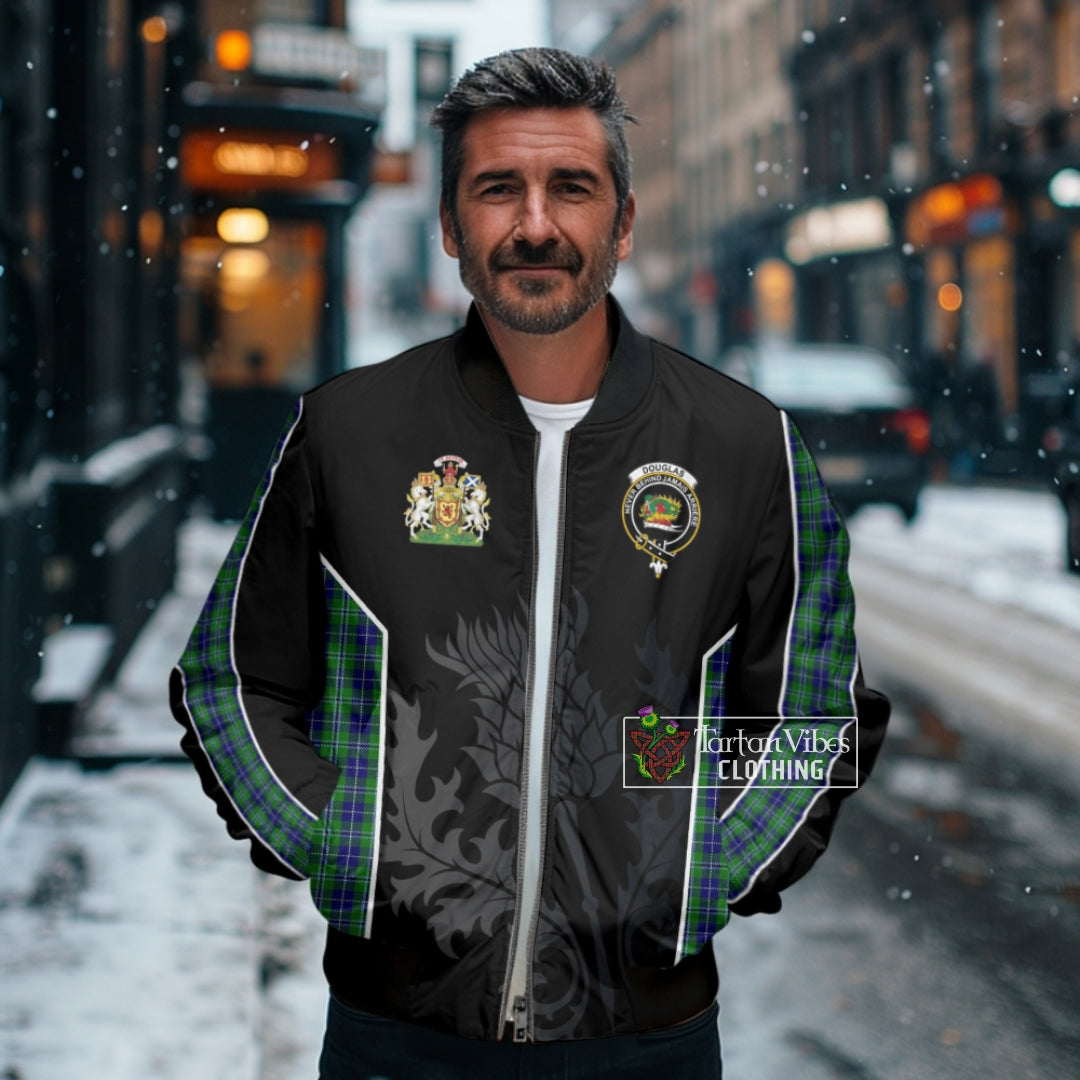


This flexibility allows people to celebrate Scottish heritage while wearing modern clothing that feels comfortable for everyday life.
Of course, wearing tartan well is not just about choosing the right piece—it’s also about styling it in a way that feels modern rather than costume-like.
How to Wear Tartan Without Looking Like a Costume
One of the biggest mistakes people make with Tartan Day fashion is overdoing it.
Wearing too many bold plaid patterns or traditional accessories can quickly create a costume effect. Fortunately, fashion stylists use several simple rules to keep tartan outfits looking modern.
One common mistake stylists make is relying solely on the classic red Royal Stewart tartan. While iconic, this pattern can sometimes feel overly festive or “holiday-like.” Many modern outfits instead use earth-tone tartans in greens, browns, or navy shades, which feel subtler and easier to style for everyday wear.
The Chromatic Anchor Rule
The most important styling principle for tartan is called the Chromatic Anchor rule.
Every tartan pattern contains multiple colors, but usually one darker thread dominates the design.
Common anchor colors include:
Navy blue
Deep forest green
Black
Instead of adding more bright colors, stylists recommend matching the rest of the outfit to this darker tone.
For example: Black Watch tartan
Anchor color → navy
Outfit idea:
Tartan bomber jacket
Navy trousers
Neutral boots
This approach allows the tartan pattern to remain the centerpiece of the outfit while the rest of the look stays balanced.
Another modern styling trick often used by fashion stylists is sometimes called the “Wrong Shoe Theory”. Instead of pairing tartan with traditional dress shoes, many modern outfits intentionally contrast the heritage pattern with contemporary footwear such as chunky boots or minimalist sneakers. This contrast helps remove the formal “costume” feeling while keeping the outfit modern and relaxed.
The 3-Color Styling Rule
Another easy guideline is the three-color rule. A modern tartan outfit should generally include:
The tartan pattern
One neutral base color
One accent color
Anything beyond that can make the outfit appear chaotic.
For example:
Tartan polo shirt
Charcoal trousers
Brown leather shoes
Our tartan polos work particularly well for smart-casual styling because they combine traditional tartan patterns with breathable performance fabrics, making them comfortable enough for long parade days or outdoor gatherings.
Start Small With Tartan Accessories
If wearing a full tartan garment feels too bold, another easy approach is to start with smaller details.
Small details can add heritage character without overwhelming the outfit.
Examples include:
Tartan beanie hats
Tartan jeff hats
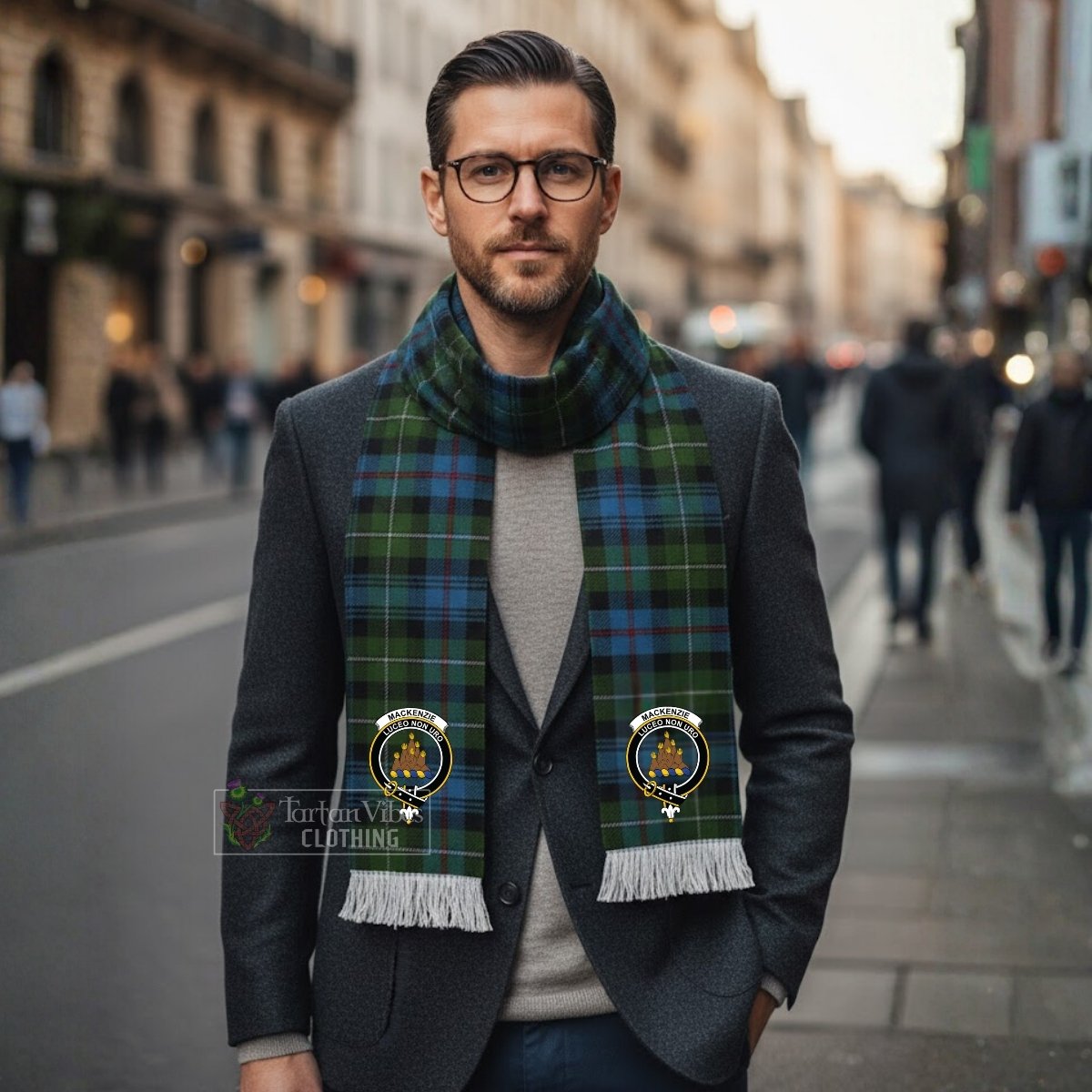
Plaid scarves
Subtle tartan accents
Tartan necktie
A tartan beanie hat is one of the simplest ways to introduce tartan into an outfit. Because it serves as a subtle accent rather than the main garment, it adds personality to an outfit while keeping the overall look balanced.


Tartan Isn’t Just Wool: Styling Plaid in Warm Weather
Many people assume tartan clothing must be heavy wool.
Historically, traditional Highland kilts were made from dense wool fabric weighing around 16 ounces, giving them the signature swing and structure associated with ceremonial dress.
However, modern tartan fashion often uses lighter fabrics in the 10–11-ounce range, allowing the pattern to appear in more breathable garments.
This change has opened the door for tartan in warmer climates and spring events.
A great example is the Tartan Hawaiian Shirt.
Unlike traditional wool tartan garments, this shirt is made from lightweight stretch fabric, making it breathable and comfortable even in warmer climates. It allows people to celebrate Scottish heritage while still wearing clothing suited for spring or summer weather.
That makes it a great option for:
Spring festivals
Outdoor gatherings
Travel and vacation celebrations


Tartan Outfits for Families: A Modern Tartan Day Guide
One of the most enjoyable parts of Tartan Day celebrations is wearing tartan outfits for families, where everyone can coordinate their clothing while celebrating Scottish heritage together.
Matching outfits can create memorable photos and traditions — but the key is coordination, not identical clothing.
Matching Without Clashing
The easiest way to coordinate a family outfit is to choose one tartan pattern and wear it across different garments.
Example:
Dad → Tartan Polo Shirt
Mom → Tartan Sweater
Kids → Tartan Hoodie or T-Shirt
This approach keeps the visual theme consistent while allowing everyone to wear something comfortable.
Family Traditions and Comfort
For quieter celebrations at home, family outfits can also be relaxed and playful.
A Tartan Pajamas Family Set is perfect for:
Morning traditions
Holiday gatherings
Family photo sessions
Matching tartan pajamas are designed to create shared family traditions, whether it’s on holiday mornings, in family photos, or during relaxed celebrations at home. Comfortable fabrics and coordinated designs make them an easy way for families to celebrate Scottish heritage together.


Choosing a Tartan by Clan Identity
For many people, tartan patterns are closely connected to Scottish clan identity. Historically, each clan developed its own distinctive tartan sett, representing family lineage and regional heritage.
Today, hundreds of clan tartans are officially recorded, and many families choose to wear the pattern associated with their surname during celebrations such as Tartan Day.
When selecting a clan tartan, families often follow a few simple steps:
Check whether your family surname is linked to a Scottish clan.
Look up the pattern in the Scottish Register of Tartans.
Choose clothing items—such as tartan polos, hoodies, or scarves—that feature the clan’s colors.
For families celebrating together, wearing the same clan tartan across different garments creates a coordinated look while still allowing everyone to wear a comfortable style.

Universal Tartans: Wearing Plaid Without a Clan
Many people hesitate to wear tartan because they believe it belongs only to specific clans.
In reality, several patterns are considered universal tartans, meaning anyone can wear them.
Examples include:
Black Watch tartan
Royal Stewart tartan
Caledonian tartan
Modern fashion has also introduced brand-specific tartans, such as the famous Burberry check, which are designed purely for style rather than genealogy.
This makes tartan fashion more accessible than ever. Because of this, many people today choose universal tartans or fashion tartans when celebrating events like Tartan Day, allowing them to enjoy the cultural symbolism of plaid without needing a direct clan connection.


Stewart (Stuart) Tartan Family Crest Women's Polo Shirt Lion Rampant Royal Thistle Shield


Celebrate Tartan Day in Modern Style!
Modern Tartan Day fashion is about blending Scottish heritage with everyday style—not recreating traditional costumes.
Keep it simple:
Balance tartan with neutral colors.
Wear modern pieces like polos, hoodies, or bomber jackets.
Coordinate family outfits using the same tartan pattern.
With the right styling approach, tartan becomes easy to wear for parades, gatherings, and family celebrations.
As Tartan Day on April 6 approaches, explore tartan styles that fit your personal look and celebrate Scottish heritage with confidence.
Frequently Asked Questions
Are tartans still banned in Scotland?
No. Tartan was banned after the Jacobite defeat in 1746 under the Dress Act, which prohibited traditional Highland clothing. The ban lasted until 1782, when it was repealed. Today, tartan is a celebrated symbol of Scottish heritage, and new designs can be registered with the Scottish Register of Tartans.
Can you wear tartan if you are not Scottish?
Yes. Many tartans are considered universal tartans, meaning anyone can wear them regardless of ancestry. Popular examples include Royal Stewart and Black Watch, which are widely used in fashion and heritage celebrations like Tartan Day.
Is tartan still in fashion in 2026?
Yes. Tartan remains a major fashion trend in 2026, influenced by runway collections from designers like Burberry and the rise of the Scottishcore aesthetic. Modern outfits often pair tartan pieces with neutral clothing to create a stylish look without appearing like traditional Highland costume.
What do people wear on Tartan Day?
On Tartan Day (April 6), people often wear tartan clothing to celebrate Scottish heritage. Popular outfit choices include tartan kilts, plaid skirts, jackets, hoodies, and scarves, often styled with modern casual pieces for parades, festivals, and cultural events.
What happens during Tartan Day celebrations?
Tartan Day celebrations typically include parades, Highland games, pipe band performances, and Scottish cultural festivals. Communities in countries such as the United States, Canada, Australia, and New Zealand celebrate Scottish heritage, history, and cultural contributions.

Teresa Finn
As someone with a deep passion for clan heritage, especially the intriguing world of tartans and their rich traditions, I'm here to be your companion on this exciting journey. Together, we'll delve into the depths of clan history, uncovering the stories behind these vibrant tartans and making every connection to your heritage more meaningful.


