



Table of Content
I. What's the Difference Between Tartan and Gingham Patterns?
When people look at tartan and gingham patterns, they often mix them up because both feature repeated lines and a balanced grid. Even so, each pattern carries a distinct story, purpose, and cultural background. The guide below breaks down the essential differences between tartan and gingham so you can easily identify them and understand what makes each unique.
Factor |
Tartan Pattern |
Gingham Pattern |
Definition |
A specific, named subset of plaid with a precisely defined sett and symmetrical color order. |
A simple, two-tone check created through a balanced plain weave with no symbolic significance. |
Origin |
Scotland, tied to Highland clans and heritage |
Central/Southeast Asia origin, later popularized in Europe and the U.S. |
Pattern Structure |
Complex pattern made of crisscrossing stripes of varying widths and multiple colors |
Simple, balanced checks formed by evenly spaced stripes |
Color Scheme |
Usually 3 or more colors arranged in a specific “sett” sequence; shade variations allowed (ancient, modern, muted, dress, hunting). |
Typically 2 colors, most commonly white plus one bright color |
Fabric Type |
Traditionally woven in wool, now also in cotton, polyester, and blends |
Usually lightweight cotton or cotton-blend |
Registration / Standardization |
Registered and standardized (e.g., Scottish Register of Tartans). |
Not registered; freely created and modified. |
Cultural Significance |
Strong cultural symbolism represents clans, regions, or organizations |
No cultural symbolism, purely decorative |
Naming Convention |
Formal names tied to clans, regiments, or institutions (Royal Stewart, Black Watch). |
Gingham patterns are named simply by color plus “gingham,” often with an added descriptor for check size (e.g., Red Gingham, Blue Gingham, Micro Gingham). |
In short, both tartan and gingham feature checks, but they are not the same. Tartan is a complex, multi-colored pattern rooted in Scottish heritage, with each sett carrying cultural meaning. Gingham, meanwhile, is a simple, two-tone check used worldwide in casual fashion and décor, without any symbolic ties. Although they may look similar at a glance, each pattern represents an entirely different tradition and purpose.
II. Differences in Definition
1. What Is Tartan?
Tartan is a unique fabric characterized by its intricate patterns formed by interlocking horizontal and vertical stripes in various colors. Traditionally made from wool, it employs a twill weave that gives it a subtle diagonal texture. Tartan is closely associated with Scottish clans and families, serving not just as a decorative design but also as a representation of heritage and regional affiliation.

Every Scottish tartan design, or sett, follows a specific arrangement of colors and stripes that repeat in a symmetrical pattern, creating a sense of balance and aesthetic appeal. There are various officially recognized tartan types, each telling its own story and serving different functions, such as Ancient Tartan, Modern Tartan, Dress Tartan, and Hunting Tartan for various occasions.
Key features of tartan include:
Cultural identity: Each design represents a specific clan, regiment, or region.
Formal recognition: Traditional tartans are officially registered and legally protected in Scotland.
Scottish Register of Tartans: This registry documents and maintains thousands of designs, ensuring their authenticity for future generations.
Cultural use: Tartan is used in garments such as kilts, as well as sashes, scarves, home decor, and ceremonial clothing, often symbolizing pride and a connection to ancestry.
2. What Is Gingham?

Gingham is a classic checked fabric and pattern defined by a balanced plain weave, in which dyed yarns in two colours – traditionally white and a bold shade like red or blue – cross to form evenly sized squares on both sides of the cloth. Originally woven from cotton, modern gingham also appears in cotton blends and other fibres, making it lightweight, breathable, and ideal for warm-weather shirts, dresses, children's clothing, tablecloths, and home décor. Sometimes called Vichy check, gingham has evolved from its early striped versions into the fresh, nostalgic check pattern recognised worldwide today.
Types of Gingham Patterns
Small-Check Gingham: Imagine decor like picnic tablecloths or school attire—ideal for a discreet, elegant feel.
Medium-Check Gingham: Frequently found in sundresses, relaxed shirts, and aprons, this size strikes a balance between being eye-catching and classic.
Large-Check Gingham: Created to grab attention, this large pattern is typically used in outerwear, handbags, or striking home decor items.
III. The Origins of Tartan and Gingham
1. The Roots of Tartan
Tartan's history showcases Scotland's cultural essence, evolving from ancient craftsmanship to a representation of national pride.
3rd Century AD – Early Origins
Excavations in old Scottish settlements have uncovered wool fabrics displaying basic checked designs, marking the earliest examples of tartan. These textiles were colored with natural dyes and utilized for warmth and practicality.
16th Century – Rise of Clan Identity
By the late 1500s, tartan had transformed into a significant emblem for Scottish clans. Each clan or area crafted its unique combinations of colors and patterns, turning the fabric into a symbolic representation of heritage and allegiance.

18th Century – Rebellion and Restriction
During the Jacobite rebellions (1745–1746), tartan emerged as a political symbol of Scottish nationalism. Following the defeat of the uprising, the British government enacted the Dress Act of 1746, which prohibited Highland clothing to quell resistance. Wearing tartan became a form of rebellion and a testament to cultural pride.
1782 – Revival and Royal Influence
The repeal of the ban in 1782 led to a resurgence of Highland attire. A century later, Queen Victoria and Prince Albert's interest in Scotland royally popularized tartan, spreading its popularity across Britain and Europe.
20th Century – International Significance
Tartan surpasses its national origins, appearing in high fashion, school uniforms, and home furnishings. Currently, more than 7,000 registered tartans are listed in the Scottish Register of Tartans, preserving both traditional clan patterns and contemporary creative designs.
2. Origin of the Gingham Pattern
Gingham originated as a striped fabric in 17th-century Southeast Asia, likely in Malaysia, and the name comes from the Malay word "genggang," meaning "striped." It was imported to Europe by the Dutch and British, where it evolved into the checkered pattern we know today through mass production in English and Scottish mills starting in the 18th century. Its durability and affordability helped it become popular for everyday clothing, home goods, and fashion in the following centuries.

From stripes to checks
17th Century: Gingham was initially a striped fabric woven from yarn-dyed cotton or linen, imported to Europe via trade routes from Southeast Asia.
18th Century: English and Scottish manufacturers began producing the fabric themselves, adopting the characteristic balanced check pattern.
19th Century: It became a popular and accessible fabric for everyday wear, such as aprons and work clothes, especially in rural America, and for home decor.
Evolution and global spread
Mid-20th Century: Gingham entered high fashion, famously worn by actress Brigitte Bardot at her 1959 wedding, helping cement its iconic status.
Global variations: The pattern has been adopted and adapted in various cultures. For example, it is used for Cambodia's national attire, called Krama.
Modern relevance: Today, gingham remains a popular fabric for both casual wear and high fashion, with designers continuously reinterpreting its classic look.
IV. Tartain Vs Gingham: Pattern and Construction
1. Tartan Pattern
Tartan is created from a specifically outlined design that determines the order and size of colored stripes. This design consistently repeats in the vertical (warp) and horizontal (weft) threads, ensuring perfect balance.


Typically, tartans are made with a 2/2 twill weave, which gives a subtle diagonal texture that enriches color vibrancy and contributes to the fabric's deep, layered appearance.
Every tartan represents more than just a visual pattern; it signifies a sense of identity. A specific color combination and proportions symbolize a Scottish clan, military unit, or geographic area.
In summary:
It is perfectly balanced and mathematically designed.
Made using twill weave for strength and texture.
Deeply connected to cultural and historical heritage.
The process of tartan weaving blends creativity with precision, transforming a design into a symbol of lineage and pride.
2. Gingham Pattern
Gingham, unlike tartan, is built on simplicity and balance. The pattern consists of evenly spaced stripes in two colors—most commonly white and a contrasting shade—woven in a plain weave.
This creates clean, uniform checks that appear identical on both sides of the fabric.
Gingham follows no formal sett, registration, or symbolism. The pattern is defined purely by its regular grid and lightweight construction, making it a global staple for shirts, dresses, children's clothing, table linens, and casual décor.

In short:
Uses evenly spaced, same-width stripes forming balanced checks.
Woven in a plain weave, producing a smooth, lightweight fabric.
No cultural ties, registration, or symbolic meaning — purely functional and decorative.
Thanks to its simplicity, gingham has become a timeless, universal pattern associated with freshness, comfort, and everyday style.
V. Color Differences and Standardization
1. The Symbolic Colors of Tartan
Colors in tartan are never arbitrary. Each pattern adheres to a specific color sequence that repeats exactly in both horizontal and vertical directions of the fabric. Historically, natural dyes sourced from plants, roots, and lichens were used, giving early tartans their distinct earthy hues, including greens, browns, yellows, and gentle reds. As dyeing techniques progressed, new shades were created, resulting in different color interpretations of the same tartan, including:
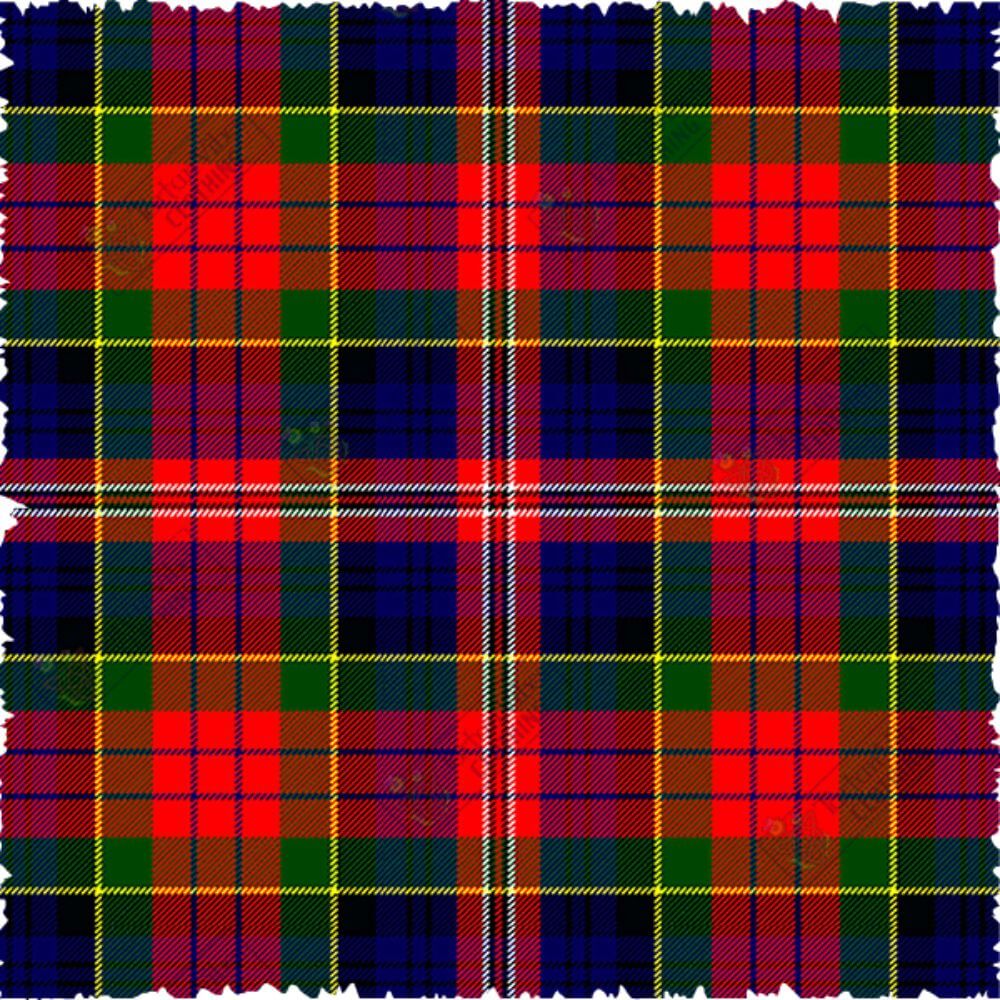
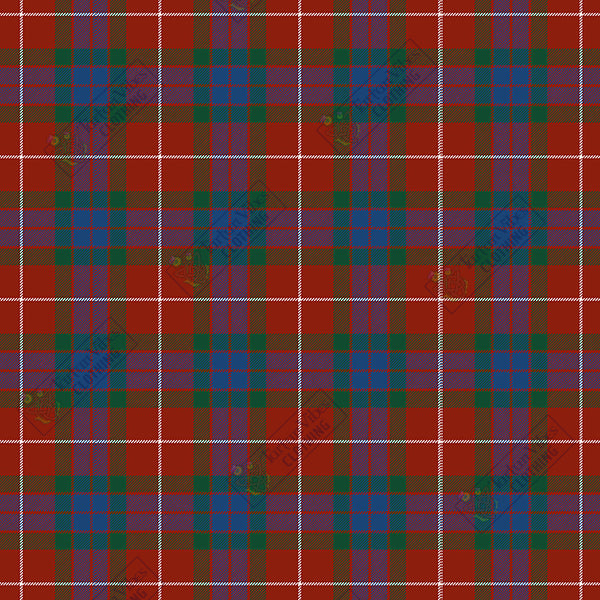
- Ancient: Milder, washed-out colors that mimic vegetable dyes.
Modern: Vivid colors produced using synthetic dyes.
Muted or Weathered: Earthy shades influenced by fabric that has aged naturally.
Dress or Hunting: Variations for specific purposes — white backgrounds for formal occasions or darker shades for outdoor activities.
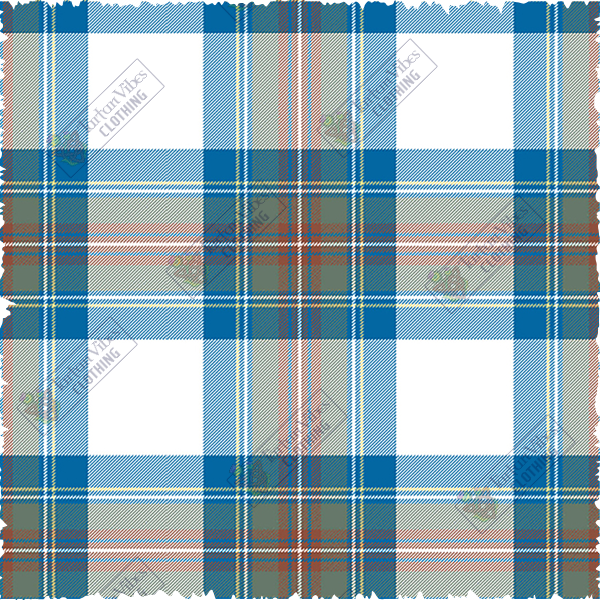
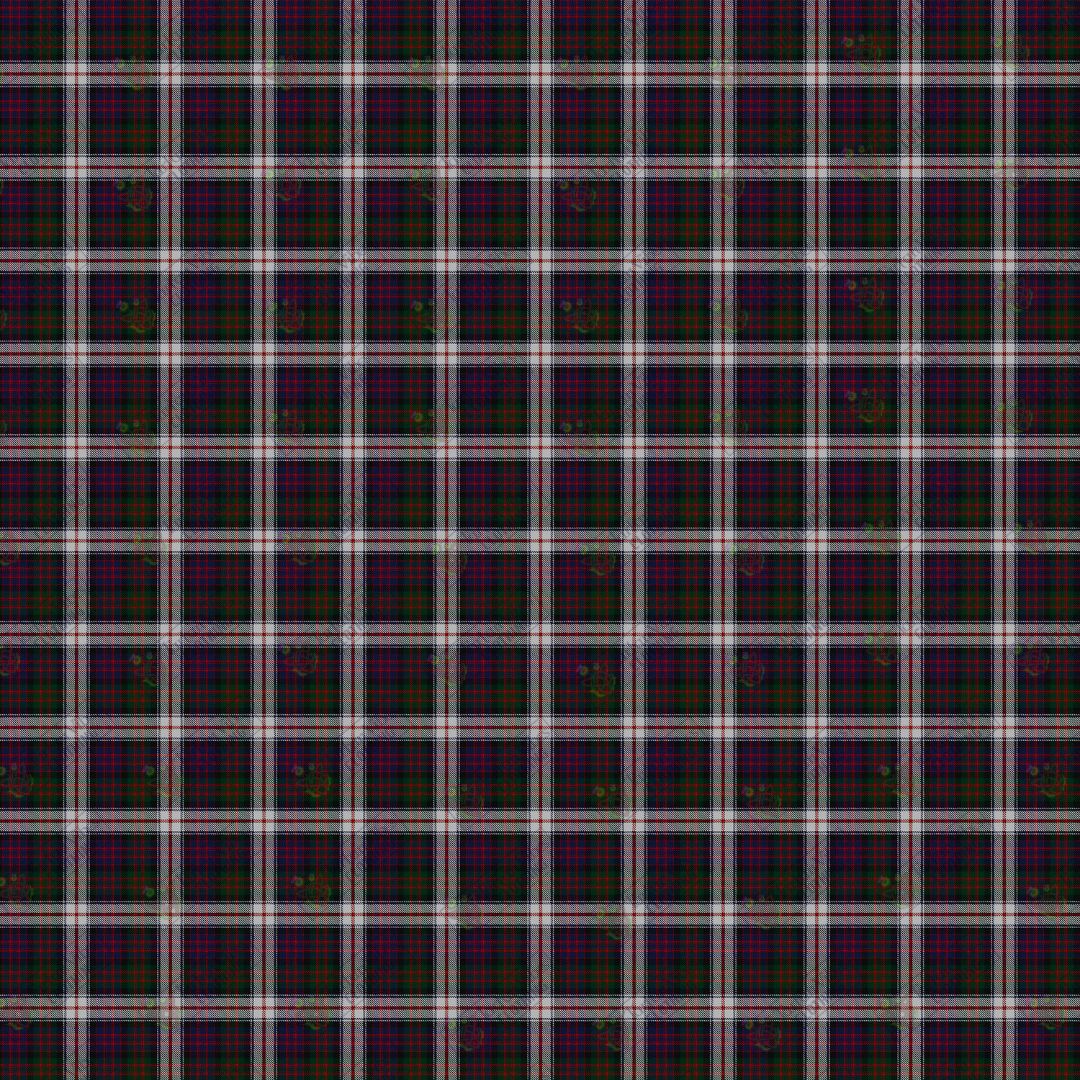
Each variant preserves the same pattern but conveys unique emotional and cultural significance. The official color sequences are documented in the Scottish Register of Tartans, which guarantees precision and consistency for future generations. This standardized method indicates that the colors in tartan hold not just aesthetic appeal but also genealogical and symbolic significance.
2. The Creative Palette of Gingham
Gingham has no symbolic color rules, nor does it belong to any governing registry. Unlike tartan, gingham is not tied to lineage, regional identity, or cultural symbolism, so its colors are not restricted by tradition. Historically, gingham's palette has always been shaped by practicality, textile production methods, and fashion trends, not by codified meaning.
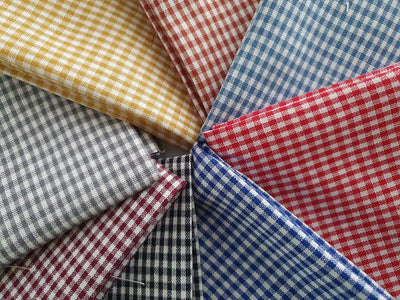
Gingham became widely produced in 18th-century England, particularly in Manchester, where mills wove dyed yarn into balanced check patterns. These early versions typically featured simple two-tone combinations — one colour paired with white — with classic hues such as red, blue, or black. As textile technology advanced, gingham expanded into a much broader spectrum of colours. Today, designers use gingham across countless applications, including:
Pastel gingham for lightweight summer fashion
Bright primary checks for children's clothing
Neutral and monochrome palettes for modern interiors
Seasonal colour variations tailored to fashion collections
Because gingham is not culturally assigned and has no formal registration system, its colours can be freely adapted, recoloured, or redesigned without restrictions. This creative flexibility allows gingham to appear everywhere — from the iconic red-and-white picnic cloth to high-fashion runway reinterpretations.
VI. Heritage Pride & Cultural Significance
1. Tartan Pattern
Tartan is intricately interwoven with the history and essence of Scotland. For many generations, it has symbolized heritage, clan loyalty, and cultural pride. Each design links families to their origins, serving as a visual sign of connection that unites the past and the present. In addition to its aesthetic appeal, tartan holds emotional and ceremonial importance:

- Cultural representation: Worn in kilts, sashes, and traditional Highland attire, tartan is proudly displayed during weddings, clan reunions, and official ceremonies.
National identity: It symbolizes Scotland's strength and unity, particularly during times when Highland customs faced repression.
Modern revival: Today, tartan is flourishing — not only among Scots but also among individuals globally who value or honor Scottish heritage.
Throughout centuries of evolution, tartan has shifted from a clan uniform to a universal symbol. Nonetheless, it has retained its original significance: a proud expression of identity and belonging.
2. Gingham Pattern
Gingham, by contrast, has no genealogical or symbolic associations. Its cultural significance comes from its widespread use and timeless simplicity rather than its heritage. Gingham is recognized globally as a pattern linked to everyday wear, vintage fashion, summer apparel, school uniforms, table linens, and nostalgic Americana.

While it does not represent clans or lineage, gingham holds a soft cultural charm — evoking feelings of comfort, nostalgia, and casual style across different cultures. Its influence is aesthetic rather than historical, celebrated for its versatility rather than identity.
Conclusion
Frequently Asked Questions
Is gingham the same as tartan?
Tartan is a fabric featuring an interweaving pattern of horizontal and vertical stripes that creates a checkered effect. It is made from a plaid textile featuring stripes of varying widths and colors. In contrast, gingham typically features a two-toned pattern, often red and white, in checkered shirts.
Are tartan and gingham made using the same weaving technique?
Both are woven patterns, but tartan typically uses a twill weave to create intersecting stripes, while gingham commonly uses a plain weave to create balanced checks.
What fabrics are tartan and gingham usually made from?
Tartan is traditionally woven from wool, though modern versions use cotton or synthetic fibers. Gingham is commonly made from cotton or cotton blends.
Can tartan patterns be changed freely like gingham?
No. Because tartan carries cultural significance and many designs are registered, changes must respect tradition. Gingham can be modified without restrictions.

Aimee Li
An author dedicated to exploring the rich history, vibrant culture,... of the Scottish clans. As an avid historian and fashion enthusiast, I have always been fascinated by Scotland's heritage and the timeless elegance of its traditional attire. Join me on this journey through the highlands and lowlands, as we delve into the heart of Scottish legacy together.


