



Not Just Lucky Mascots: 23 Fascinating Facts About Leprechauns You’ve Never Heard
by Aimee Li on Jan 12, 2025
Table of Content
Every St. Patrick’s Day, we picture the same scene: a small man in a green suit guarding a pot of gold at the end of a rainbow. It’s a fun image — but almost everything we “know” about leprechauns comes from Hollywood and marketing, not authentic Irish folklore.
In reality, leprechauns are far older, stranger, and more mysterious than their modern mascot version. This article reveals the real facts behind them — their true origins, the meaning of their name, and the role they played in Celtic mythology. Let’s uncover who leprechauns truly are.
What Are Leprechauns?
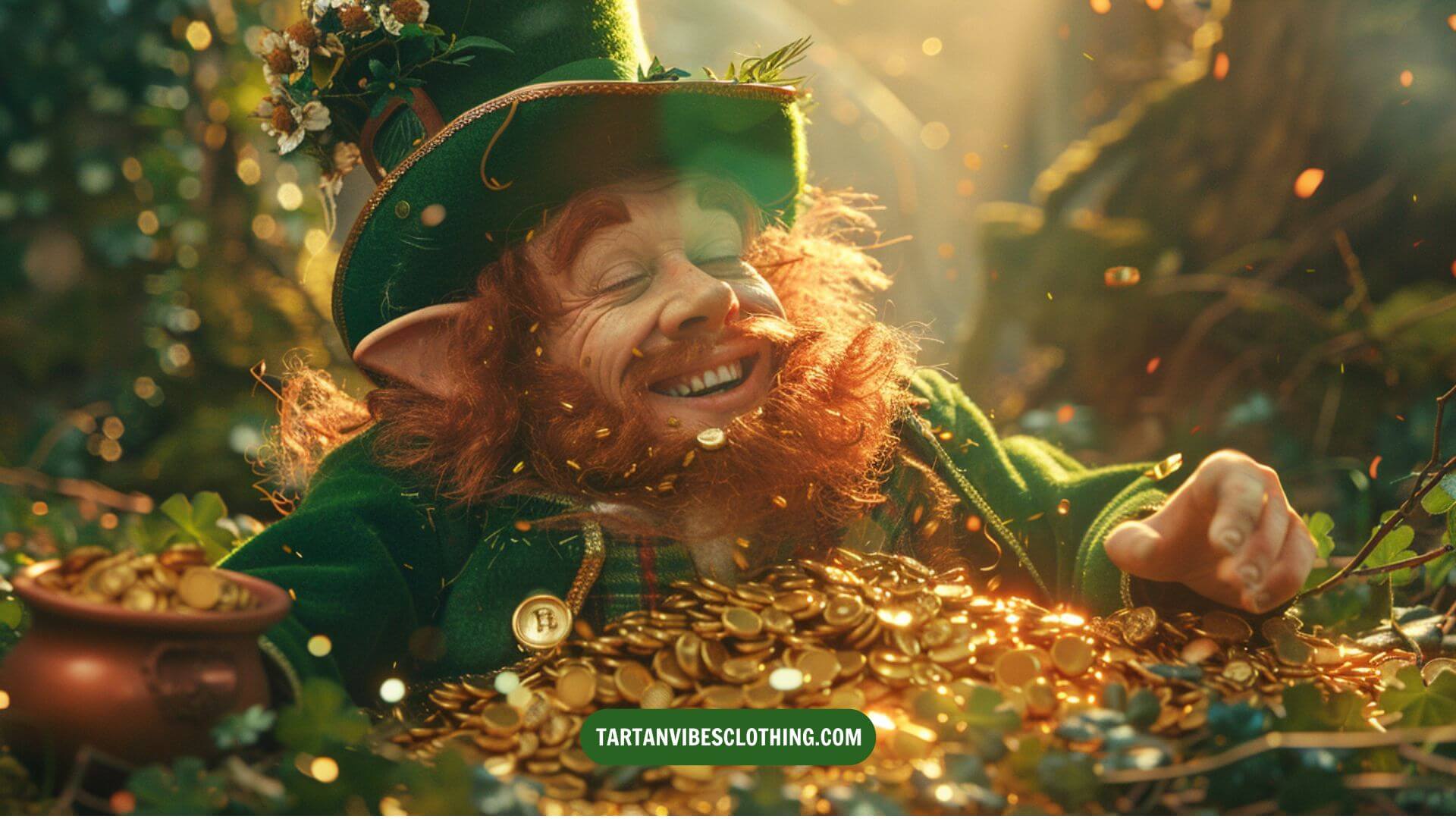
Leprechauns are small, solitary fairies from Irish folklore, known for their sharp wit, love of trickery, and talent for guarding hidden treasure. In Irish tradition, the leprechaun meaning goes far beyond luck or gold — it represents a cunning supernatural being shaped by Celtic mythology and closely linked to the fairy race known as the Aos Sí.
Often depicted as elderly men who live alone on the edges of the human world, they avoid contact, use clever magic to protect themselves, and are famous for outsmarting anyone who tries to catch them. Their legends reflect Ireland’s deep storytelling traditions and reveal a creature far more complex than the playful character seen today.
Facts about Leprechauns: Origins and Mythical Roots
Leprechauns didn’t simply appear as cheerful holiday mascots — they trace back to some of the oldest and most mysterious layers of Irish mythology. Their origins involve ancient fairy races, mythical gods, and regional legends that offer surprising explanations for where these trickster spirits came from.
#1. Where does the name 'leprechaun' come from?
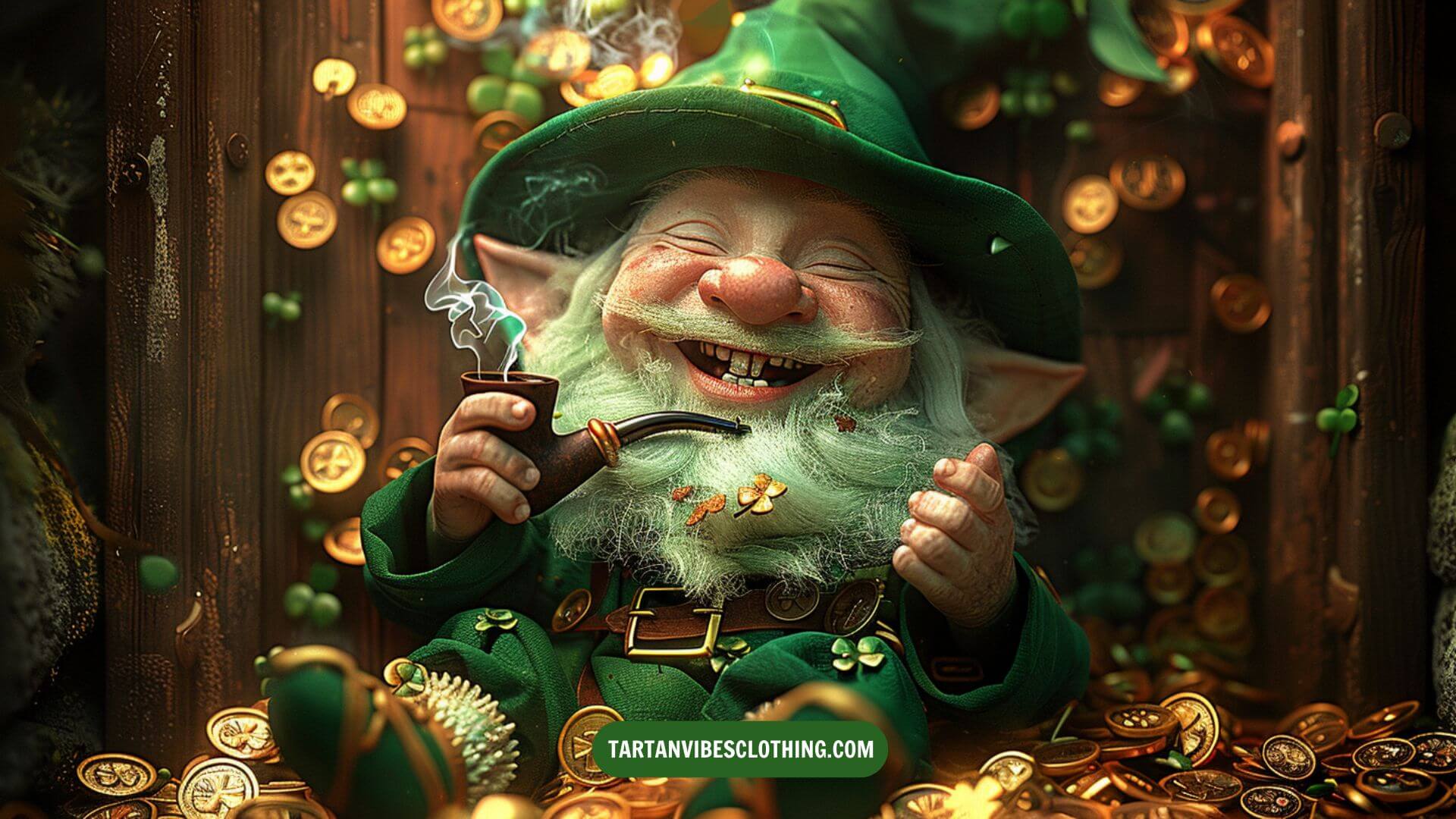
The word leprechaun most commonly comes from the Old Irish term lūchorpān, meaning “small body,” but its true origin is debated among scholars.
The widely accepted theory traces the name to lū (“small”) + corp (“body”), perfectly describing the tiny stature of these mischievous fairy beings. This aligns with early medieval manuscripts, in which luchorpán referred to small supernatural creatures known for their agility and cunning.
However, another compelling theory suggests the name evolved from “leath bhrogan,” meaning “one-shoe maker.” This etymology connects directly to the leprechaun’s iconic role as a fairy cobbler, traditionally depicted crafting a single shoe at a time rather than a full pair — an image rooted deeply in Irish storytelling.
Although the precise origin remains uncertain, both interpretations highlight core aspects of the leprechaun’s identity: a small-bodied, solitary, and highly skilled craftsman woven into the rich mythological landscape of Celtic folklore.
#2. Leprechauns as Members of the Aos Sí
Leprechauns are part of the Aos Sí, a supernatural fairy race in Irish mythology believed to descend from the ancient gods known as the Tuatha Dé Danann.
Although they do not fit the graceful, winged fairy image popular today, leprechauns are firmly rooted in Ireland’s ancient fairy world. Folklore suggests that when the Tuatha Dé Danann retreated underground after losing control of Ireland, they became the Aos Sí — spirit beings bound to sacred mounds and hidden places. Leprechauns are thought to be one of these specialized descendants, carrying fragments of divine magic, secrecy, and trickster intelligence from Ireland’s mythic past.

Early Irish sources make it clear that a leprechaun is not a leprechaun animal or a creature of the natural world, but an intelligent, supernatural being shaped by Celtic mythology. Their human-like form, craft skills, and moral agency place them among Ireland’s fairy folk rather than its beasts, reinforcing their role as mythic figures tied to culture, belief, and storytelling rather than biology.
#3. Are leprechauns born from sea foam? – A Rare Local Legend
Some of the most intriguing leprechaun myths and legends come from Ireland’s coastal regions, particularly Kerry and Cork, where a lesser-known belief suggests leprechauns were once born from sea foam. According to this local tradition, white waves crashing under a full moon could give rise to tiny fairy beings — if the foam reached land before dissolving, it would transform into a leprechaun child.
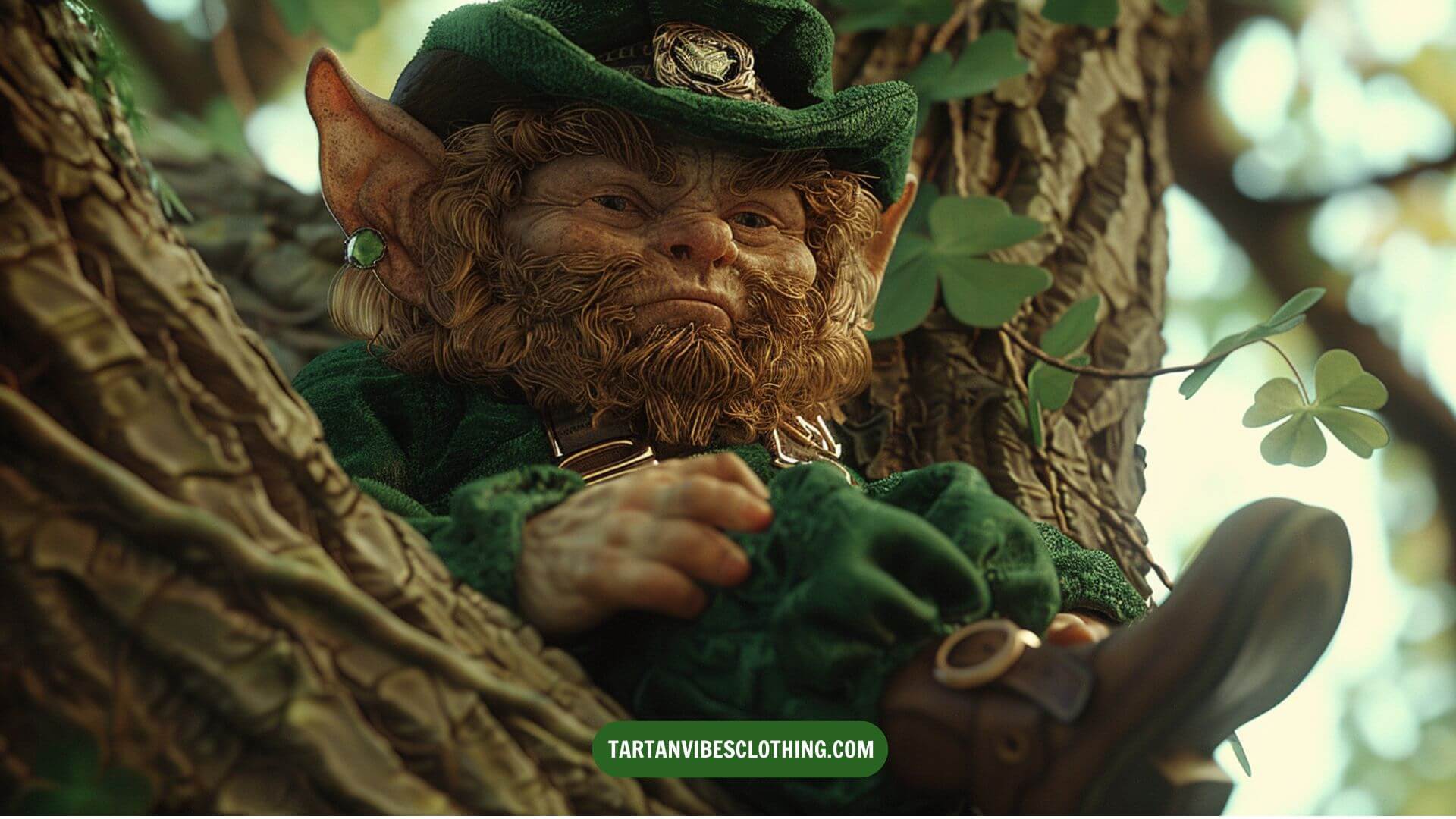
This rare legend stands in contrast to more familiar Irish folklore creatures explained through earth mounds and forests, adding a mysterious maritime layer to leprechaun mythology. Interestingly, it may also explain an enduring paradox in leprechaun appearance and behavior: despite their supposed oceanic origin, leprechauns are often said to fear deep water. As with many tales passed down through Gaelic oral storytelling, the truth remains elusive — blurring the line between sea-born myth, fairy magic, and Celtic superstition.
#4. Some legends say leprechauns can live underwater.
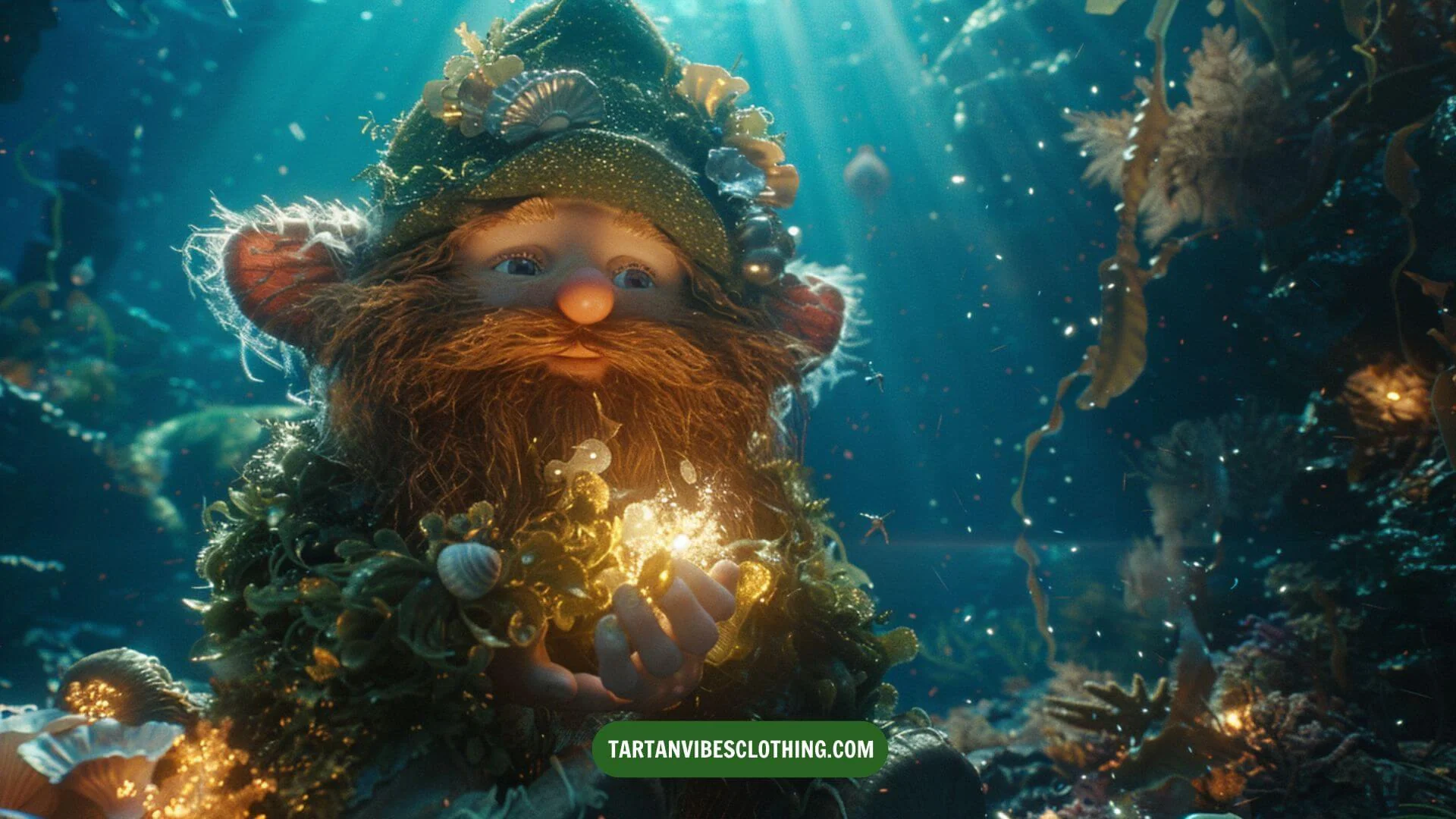
If some legends claim leprechauns fear water, others tell a far stranger story — one where their ancestors once lived beneath the sea. This lesser-known belief appears in a medieval Irish tale about Fergus mac Léti, King of Ulster.
According to the legend, Fergus awakens on a beach to find three lúchorpáin dragging him toward their underwater realm. After capturing them, he wins his freedom in exchange for three wishes — a detail that would later define many leprechaun myths and legends. Could these tricksters have once belonged to the ocean, or does this story reflect the shifting nature of Celtic mythology, where fairy beings move freely between worlds?
#5. Gender & Marital Status: Why Are Leprechauns Typically Male?
In traditional Irish folklore, leprechauns are exclusively male, and no female leprechauns have ever been recorded in classical mythology.
Early sources, such as Fairy Legends and Traditions of the South of Ireland by Thomas Crofton Croker (1825), repeatedly refer to leprechauns as solitary old men, yet never mention female counterparts. This absence has puzzled scholars, especially since many beings within Aos Sí (Irish fairies) are known to reproduce or exist in family groups. One explanation rooted in Gaelic oral storytelling suggests that leprechauns are not biological beings at all, but trickster spirits in mythology — eternal, solitary entities tied to craft, wealth, and secrecy rather than lineage or marriage.
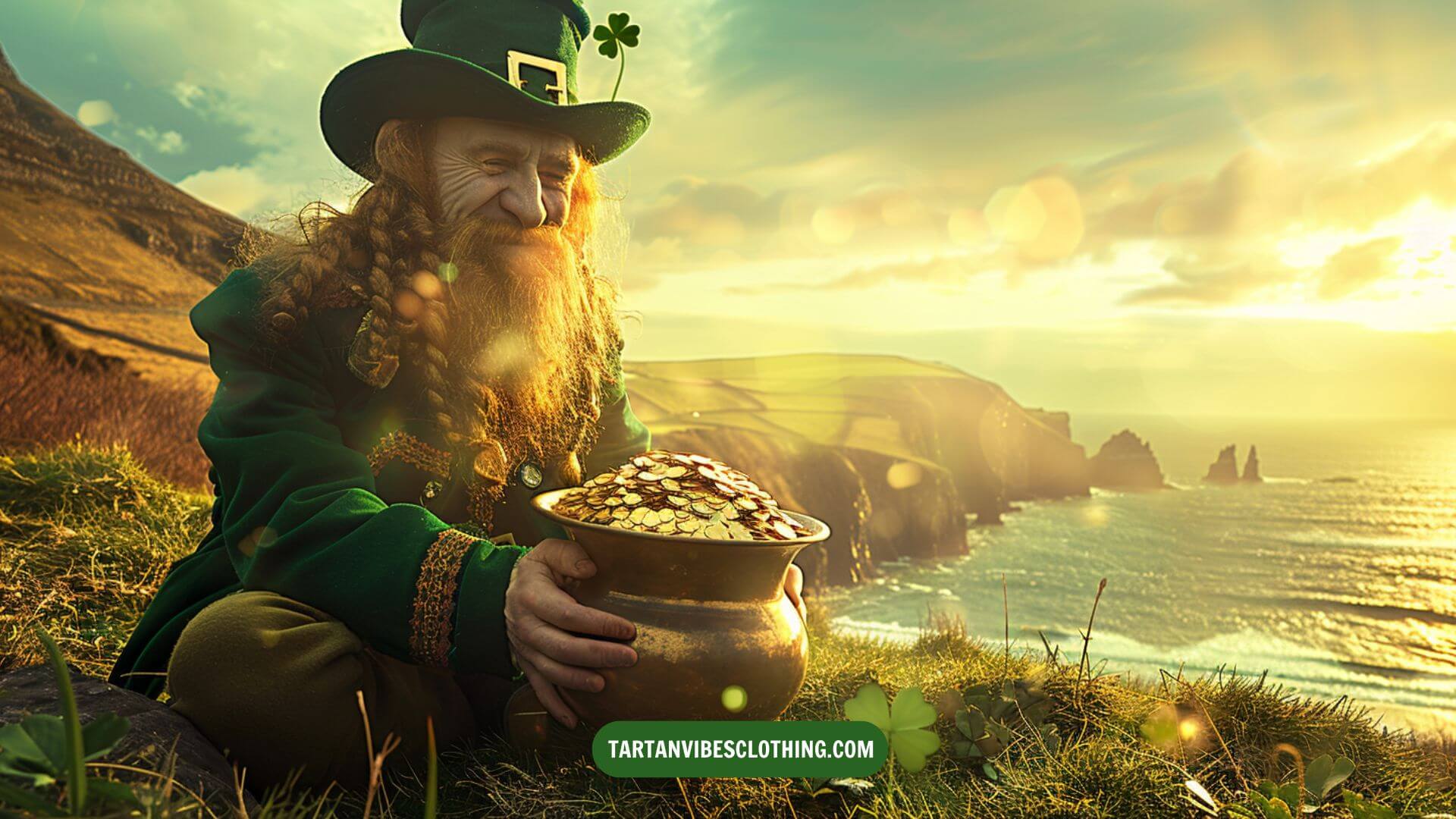
Their permanent bachelor status reinforces their role within Celtic fairy lore: leprechauns are not meant to represent community or family, but isolation, obsession, and the dangers of greed — key themes woven throughout Irish superstitions and Celtic mythology.
#6. Leprechauns have a mischievous cousin named the clurichaun.
Among the most intriguing facts about Leprechauns is their connection to a mischievous fairy relative known as the clurichaun. Unlike leprechauns, who are industrious and focused on their shoemaking craft, clurichauns are notorious for their love of drinking and revelry. These rowdy beings are said to haunt wine cellars, pubs, and breweries at night, often draining entire stores of alcohol or riding animals in a drunken stupor. Some legends suggest clurichauns are leprechauns who drink so heavily after a hard day’s work that they transform into a whole new species.
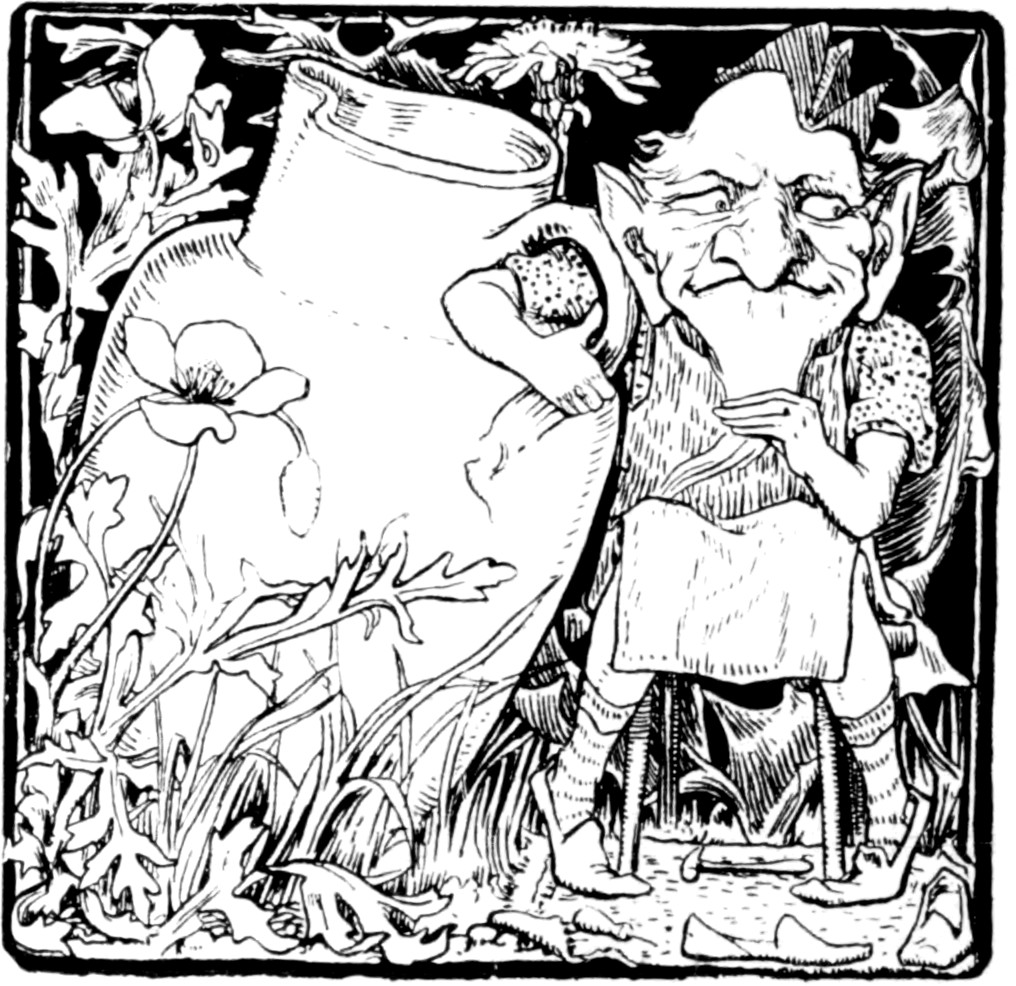
Others describe them as a distinct but closely related type of fairy, sharing similar features but with a far more unruly nature.
What Do Leprechauns Look Like?
When most people imagine a leprechaun, a green outfit and buckled shoes instantly come to mind. But Irish folklore tells a very different story — one shaped by shifting traditions, hidden symbolism, and details that rarely appear in modern portrayals.
#7. In reality, leprechauns don’t wear green attire.
Leprechauns are often recognized by their iconic green attire, red beard, and derby hat, but historical accounts suggest a different story. According to Legends and Stories of Ireland (1831) by Irish novelist Samuel Lover, these mythical fairies were originally dressed in red, wearing a “red square-cut coat, richly laced with gold, and a cocket hat.” This leads to other fascinating facts about leprechauns: how did the green jacket and pants become synonymous with them? Some suggest the color varies by region, with green being one of the options.
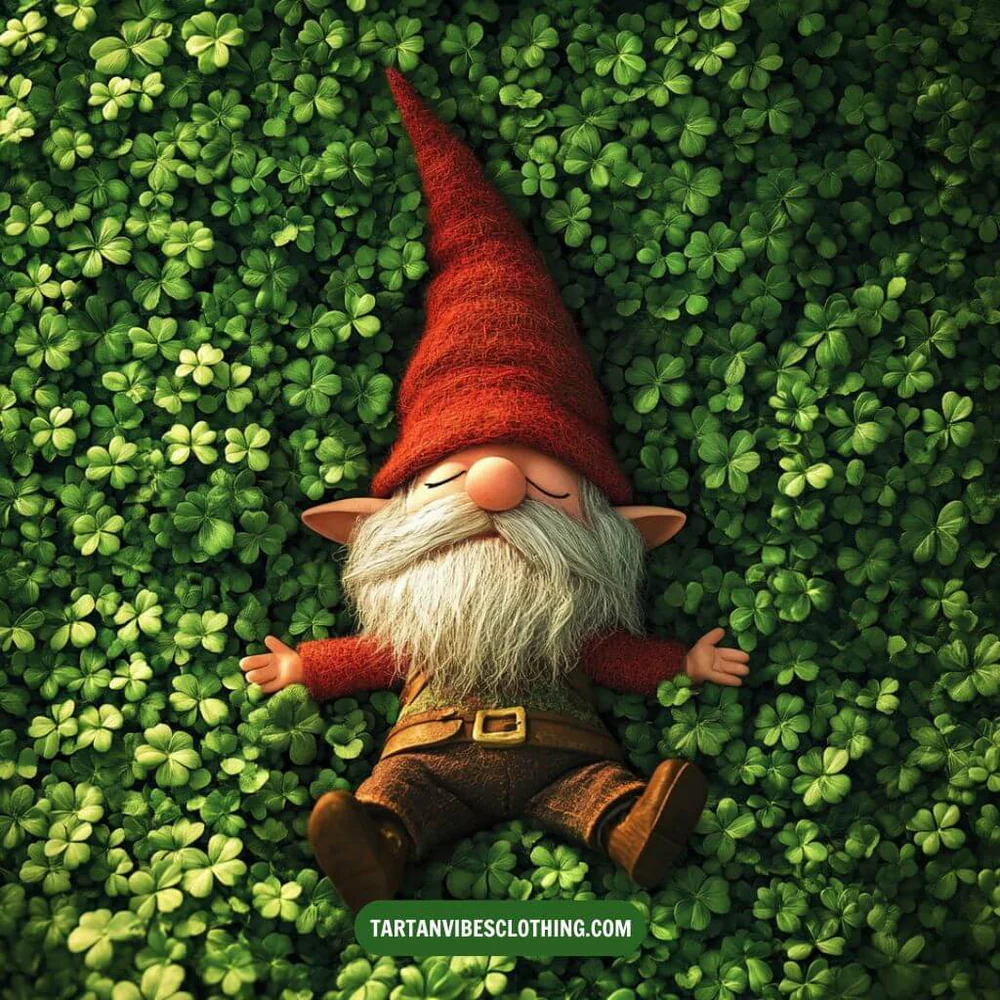
In contrast, others believe it became popular because it complements the Irish shamrock, further solidifying their association with Ireland.
#8. What Role Do Leprechauns Play in the Fairy Economy?
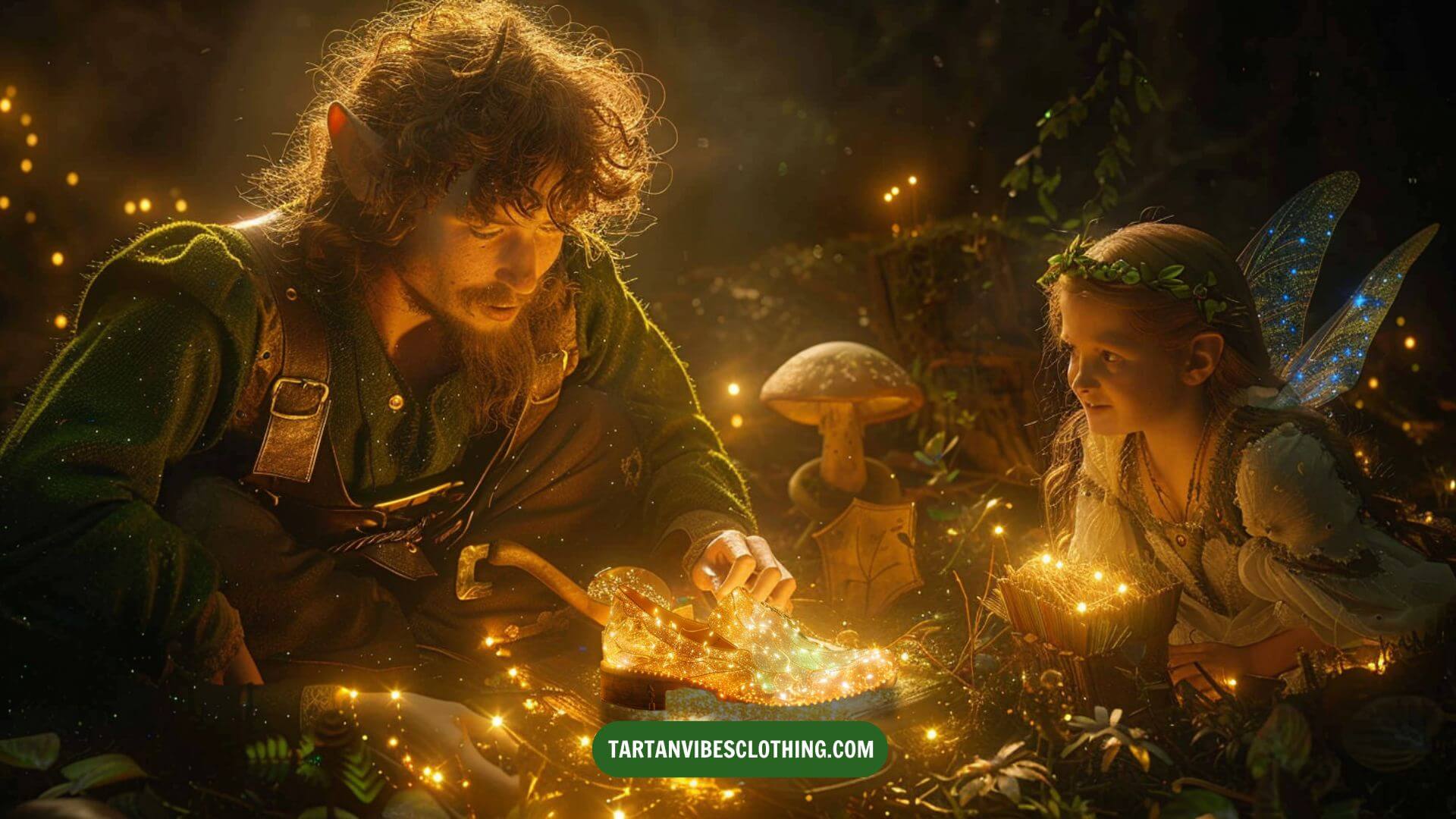
Leprechauns are believed to act as the cobblers and treasurers of the fairy world, quietly managing wealth while living modest, solitary lives.
In Irish folklore, they spend their days crafting shoes for the Aos Sí, marked by the faint tapping of a hammer echoing through hidden places. At the same time, many legends portray them as guardians of fairy gold, entrusted with protecting enchanted riches from both careless fairies and greedy humans. This curious balance between humble labor and hidden wealth gives leprechauns their enduring reputation as clever, cautious figures — always working, always watching, and never easily fooled.
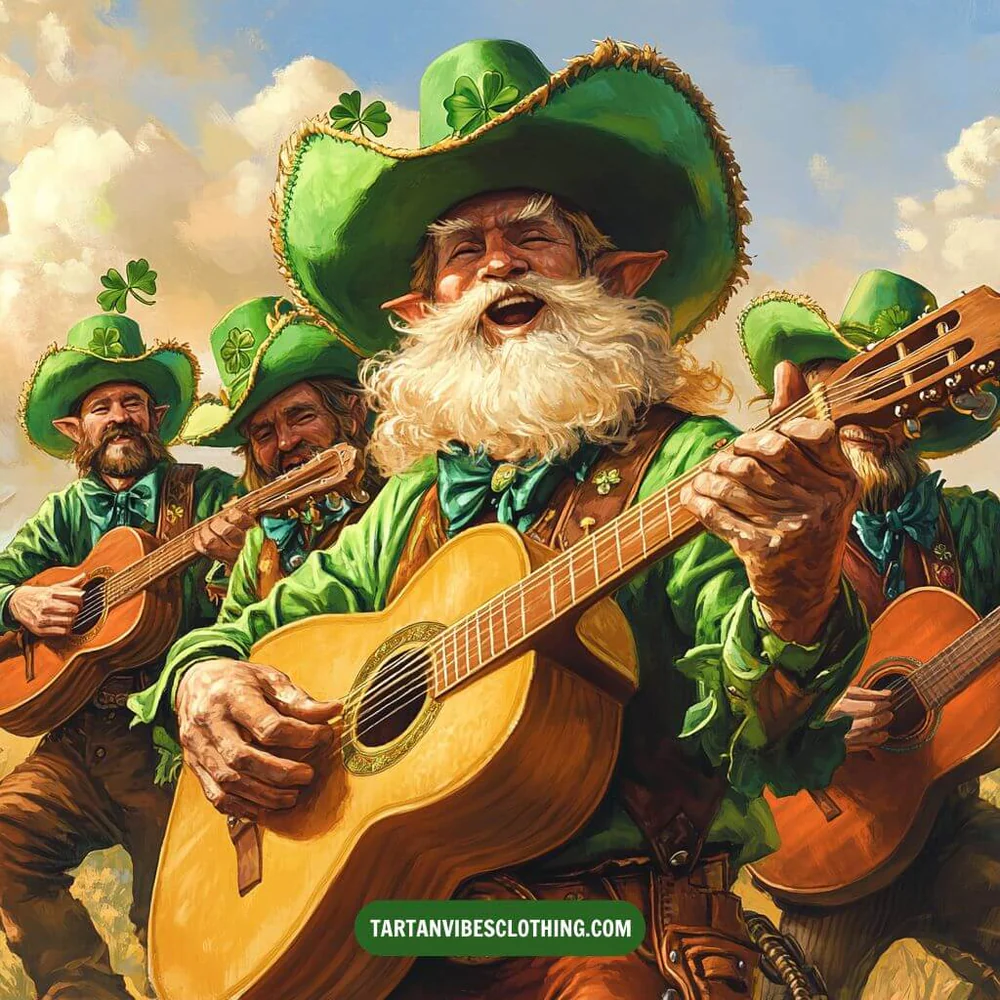
#9. More Than Shoemakers: Leprechauns as Enchanting Musicians
In addition to their carpentry skills, leprechauns are known for their musical abilities. According to various facts about leprechauns, it is said that they often express themselves through song, particularly during revelry and celebrations. Many tales suggest that their songs can mesmerize listeners, leading them to hidden treasures.
#10. Leprechauns and Their Unmistakable Laugh
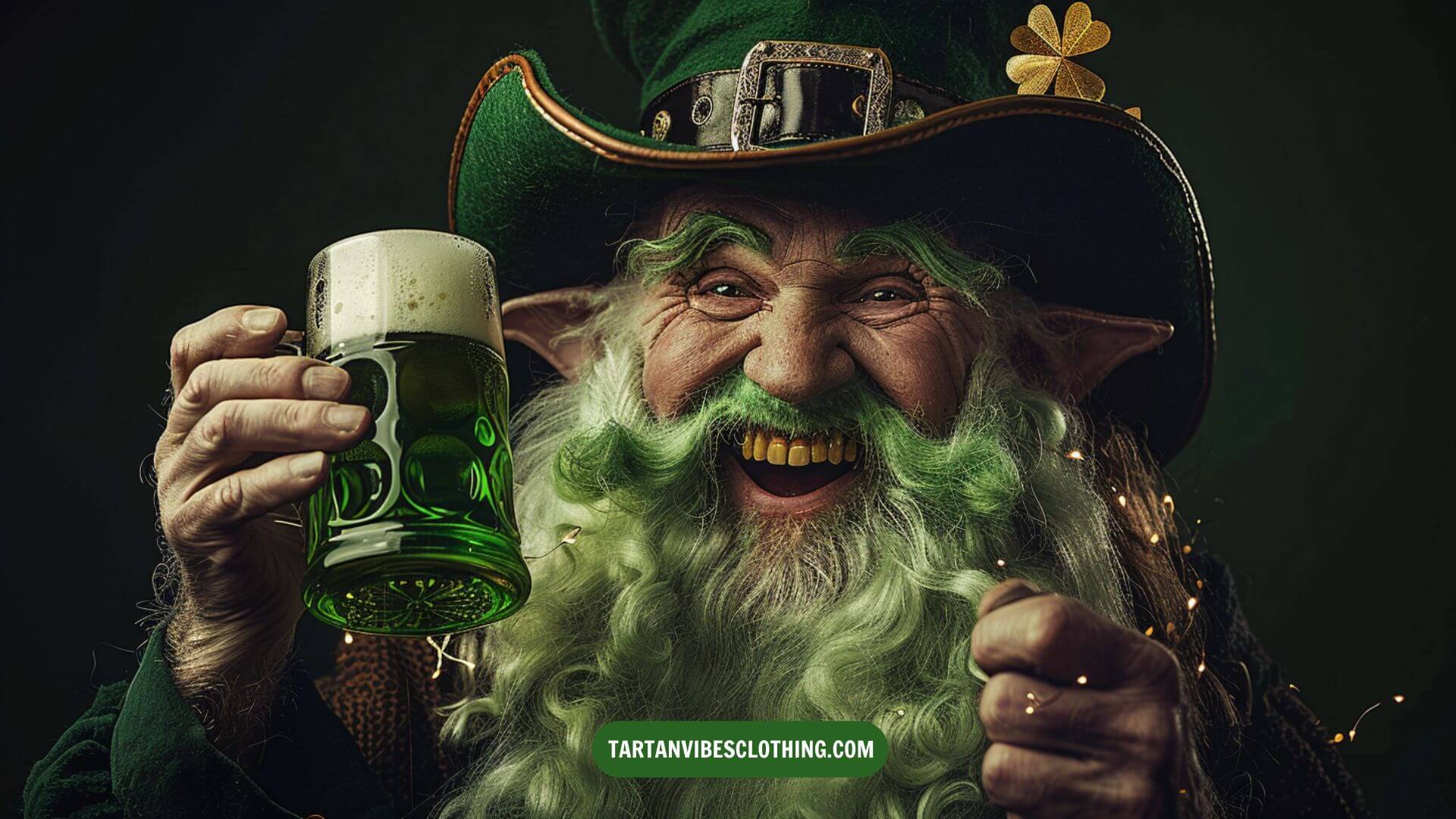
Why do Irish legends warn you about that laugh? Because hearing it often means a leprechaun is nearby — and mischief is about to begin.
In Irish folklore, a leprechaun’s high-pitched, unmistakable laugh is said to reveal presence without giving away location. Passed down through Gaelic oral storytelling, this sound serves as a clever distraction, luring the curious while the trickster slips away. In Irish superstition, the laugh is less a sign of joy than a warning: where leprechauns laugh, someone is about to be fooled.
Wealth, Magic, and Trickery: The Dangerous Allure of Leprechauns
Why have humans chased leprechauns for centuries? Their hidden gold, strange magic, and clever deceptions make them some of the most tempting — and dangerous — figures in Irish folklore. Every promise comes with a trick, and every treasure has a price.
#11. Leprechauns possess great wealth
Leprechauns are famously known for their wealth, and intriguing facts about leprechauns reveal that they carefully hide their treasures to keep them safe from prying eyes. According to Irish legends, these mischievous creatures have a natural affinity for all the riches buried beneath the earth, making them guardians of hidden gold. The most iconic tradition claims that every leprechaun owns a pot of gold, which can only be found at the end of a rainbow—a perfect hiding spot, as it’s nearly impossible to reach. This association with elusive riches has solidified their status as symbols of mystery and fortune in Irish folklore.
#12. Capturing a leprechaun is said to grant you three wishes.
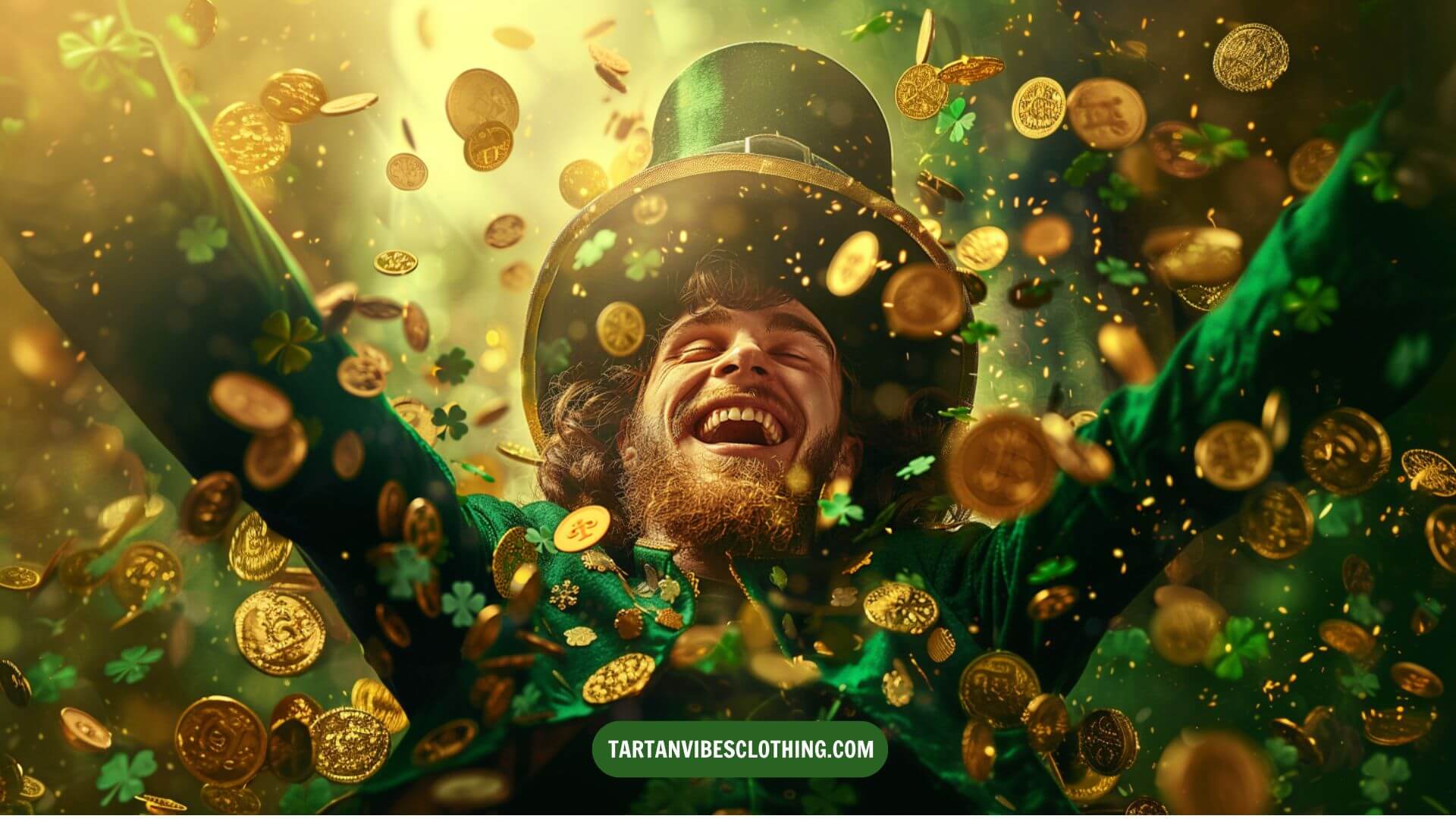
A fascinating aspect captured in many facts about leprechauns is their legendary ability to grant wishes. According to legend, if you catch a leprechaun, he will grant you three wishes in exchange for his freedom, making him a widely recognized symbol of luck. This connection has even inspired themes in popular culture, such as in online games like Lucky Leprechaun. However, this leads to other important facts about leprechauns: caution is advised — being too greedy or careless with your wishes could backfire. Unlike the genie in Aladdin, a leprechaun’s trickery might curse you with lifelong bad luck instead.
#13. Leprechauns are known for their cleverness.
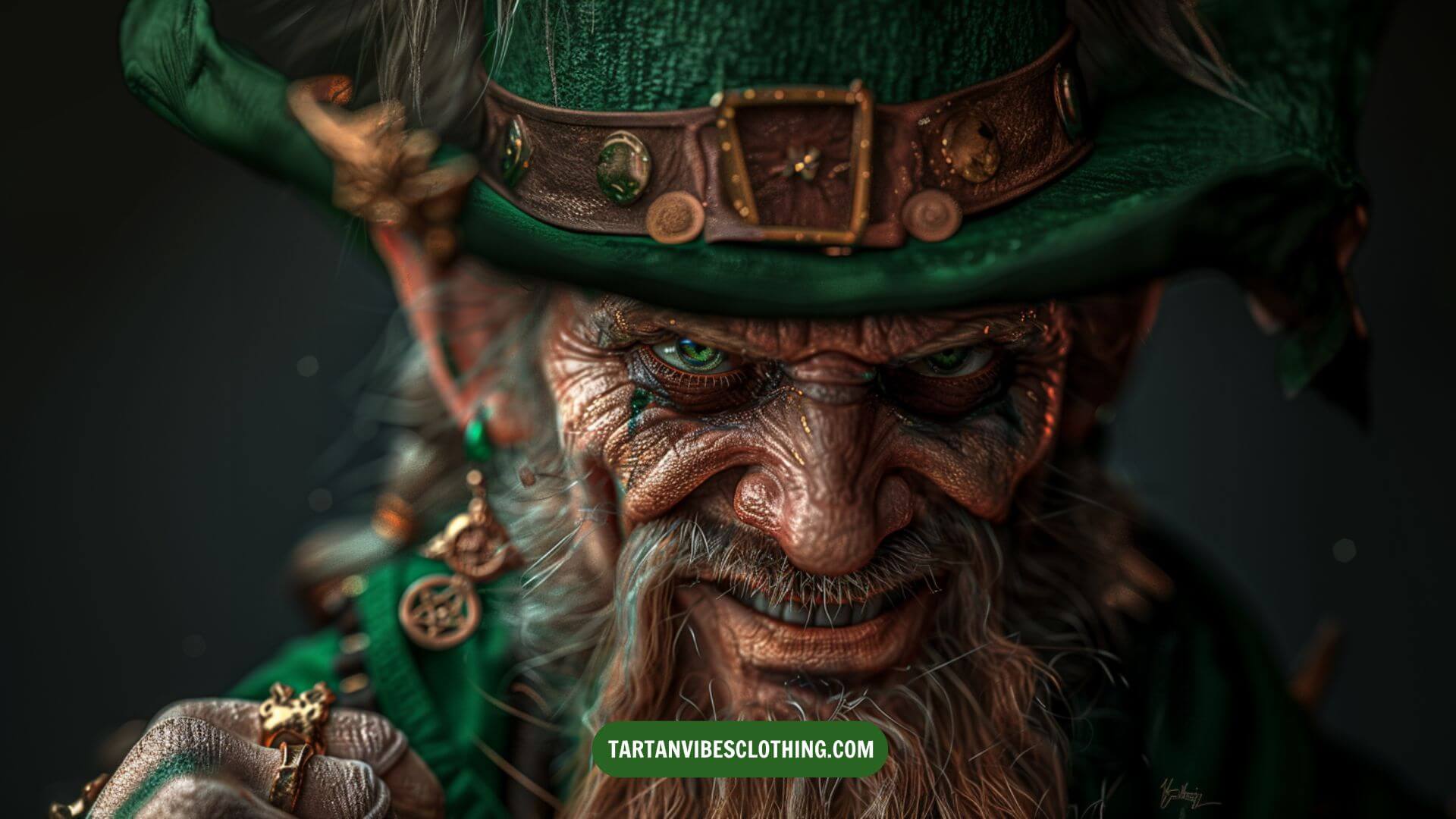
Leprechauns are well-known for their intelligence, wit, and love of mischief, making them fascinating figures in Irish folklore. While they may look cheerful and friendly, legends warn against trusting them. In many legends, leprechauns don’t overpower humans — they simply wait for impatience or greed to do the work for them.
Stories often recount how leprechauns cleverly evade capture, such as one tale where a man forced a leprechaun to reveal the location of his treasure. The leprechaun pointed to a tree, but when the man returned with a shovel, every tree in the area had been marked with the same red bandana, leaving him utterly fooled. Such legends highlight their cunning nature and reinforce the golden rule: if you catch a leprechaun, never take your eyes off him, or he’ll vanish instantly.
#14. Their Ability to Mimic Human Voices
One of the cleverest tricks attributed to leprechauns is their ability to perfectly mimic human voices, especially those of people you trust most — your mother, spouse, or closest friends. In Irish folklore, this talent is said to be used at one crucial moment: just when you think you’ve finally caught one.
According to legend, as you tighten your grip, the leprechaun suddenly cries out in a familiar voice: “You idiot, the house is on fire—get home now!” Instinct kicks in. You turn your head for just a second. And that second is all it takes. The leprechaun vanishes, leaving nothing behind but laughter and regret. Many Irish families jokingly claim their ancestors fell for this exact trick, passing the story down as a playful warning: never trust what you hear when a leprechaun is involved.
#15. They Are Sensitive to Human Presence
Leprechauns are known for being very wary of humans, a key point in many facts about leprechauns. If they sense someone attempting to sneak up on them, these clever creatures may disappear instantly, employing their magical powers to evade capture. This characteristic highlights just one of the intriguing facts about leprechauns that underscore their elusive nature in folklore.
#16. Yet, they can be quite generous if you treat them well.
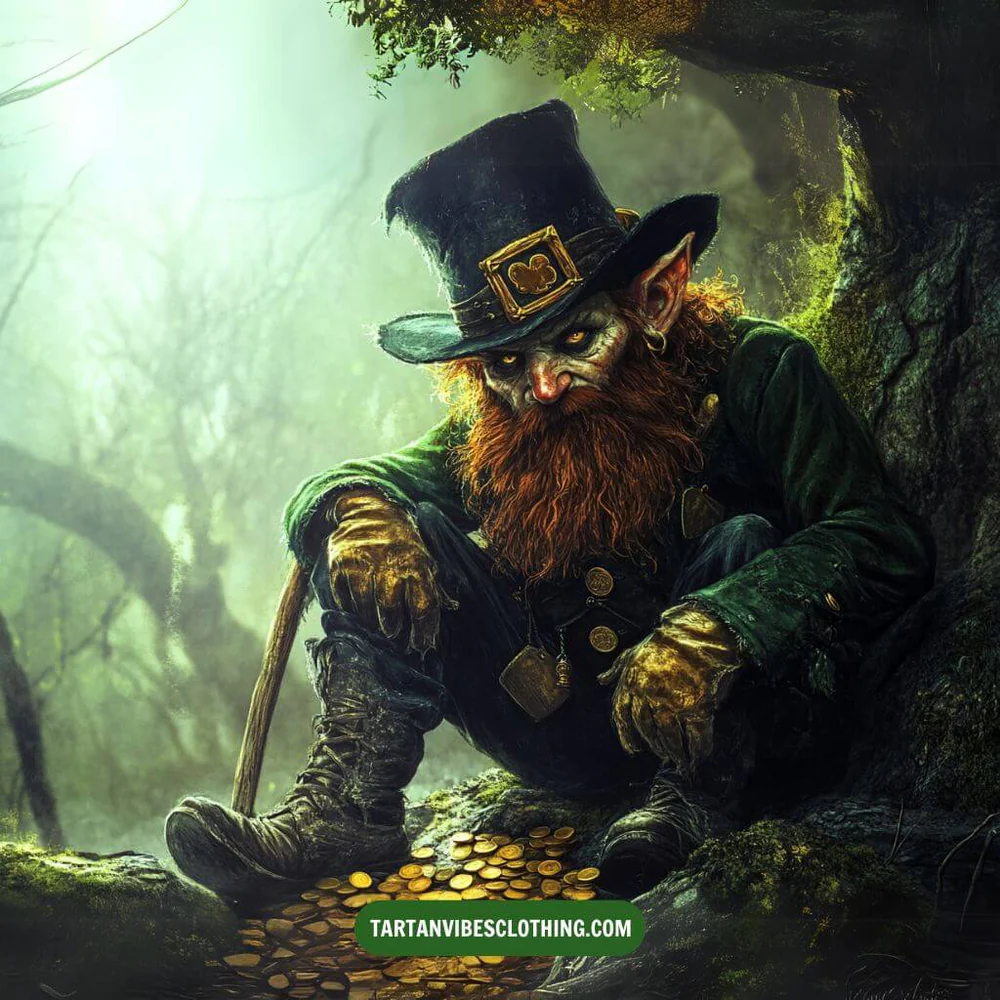
Being constantly pursued for their gold or cereal has made leprechauns notoriously secretive and distrustful, a key detail among the many facts about Leprechauns. However, their guarded nature doesn’t mean they are entirely unkind. According to one legend, a leprechaun rewarded a generous act of compassion. Despite facing his own hardships, a nobleman extended a gesture of kindness by offering a leprechaun a ride on his horse.
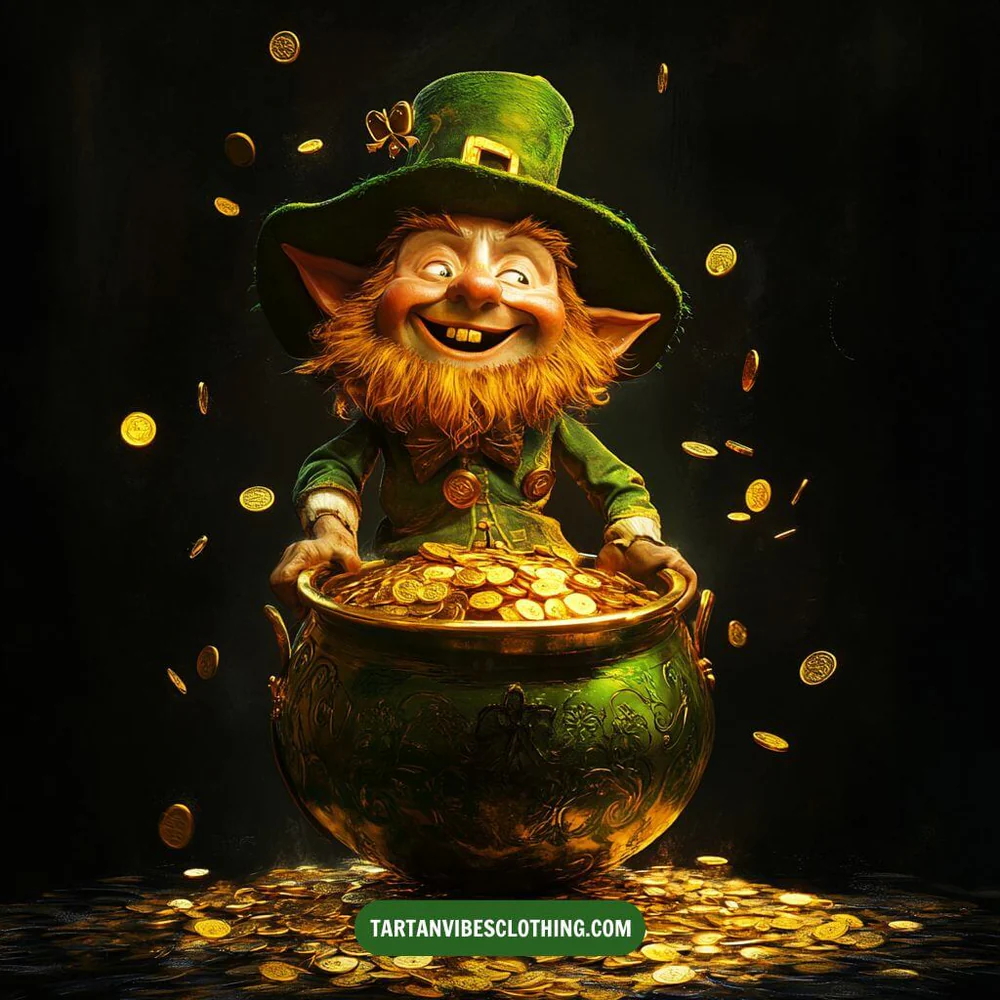
To his surprise, when he returned to his dilapidated castle, he found it filled with gold up to the ceiling. This story highlights the leprechaun’s complex character, blending mischief and mistrust with a rare appreciation for genuine kindness.
Carlingford: Where Leprechaun Legends Enter the Real World
Carlingford is one of the few places where leprechaun stories refuse to stay in fairy tales. From alleged remains to legal protection, this quiet town has become the center of Ireland’s strangest leprechaun mystery — part folklore, part tourism, and part unanswered question.
#17. Do Leprechauns Exist? Is There Any Evidence?
There is no scientific proof that leprechauns exist, but one modern claim from Ireland continues to fuel debate and curiosity.
In 1989, a local businessman in Carlingford, County Louth, claimed to have made one of the strangest discoveries in Irish folklore history — the remains of a leprechaun on the slopes of Slieve Foye mountain.
According to his account, he heard a high-pitched scream near a wishing well and found scorched ground, tiny bones, a miniature suit, and several gold coins scattered nearby.
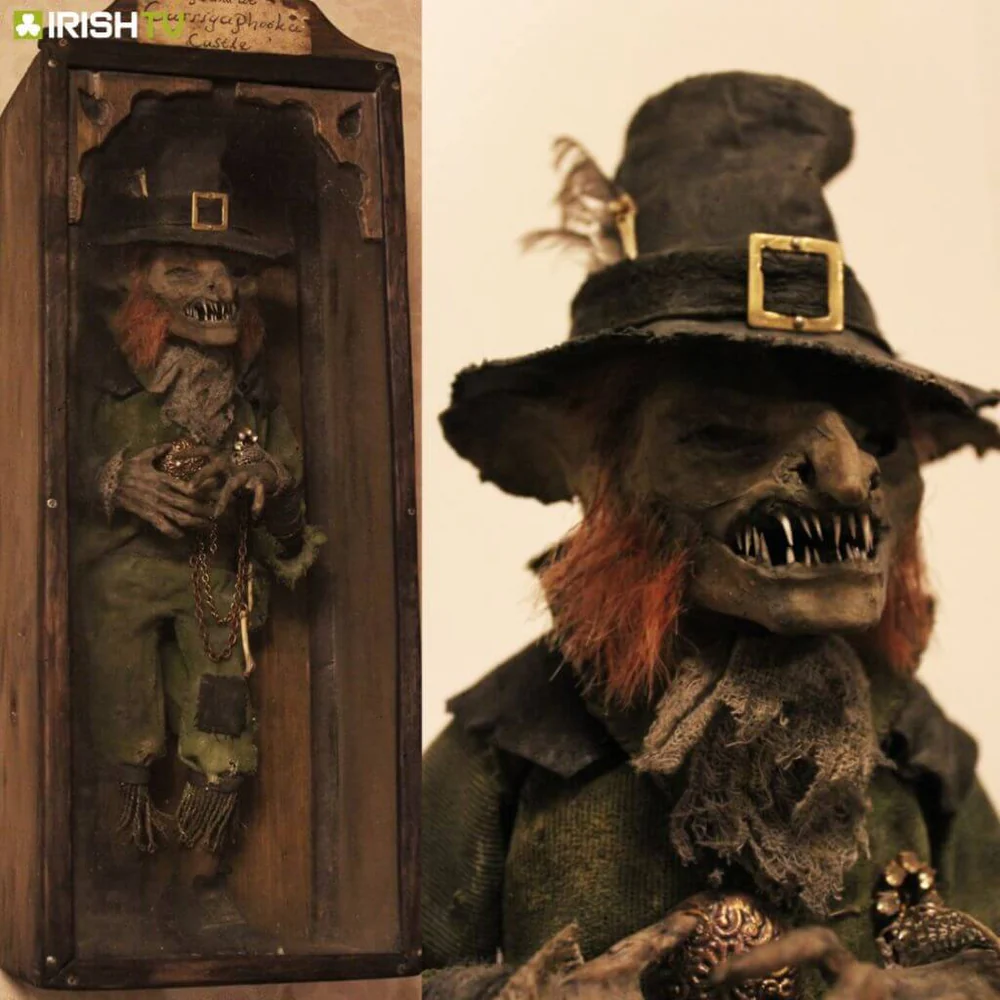
Although the skeleton reportedly crumbled to dust shortly after being uncovered, the clothing and coins were preserved and later displayed to the public. The story quickly gained attention, blurring the line between Irish folklore, local legend, and tourism — and raising the irresistible question: was this simply a clever tale, or something more?
#18. Europe’s Only Official Leprechaun Sanctuary
Following the 1989 discovery, Carlingford embraced its growing reputation as Ireland’s leprechaun capital. In 2009, the Slieve Foye area was designated as a symbolic leprechaun sanctuary, receiving special recognition under a European Directive.
Supporters claim that as few as 236 leprechauns still reside within the mountain’s caves, making the site both a mythical burial ground and a protected habitat.
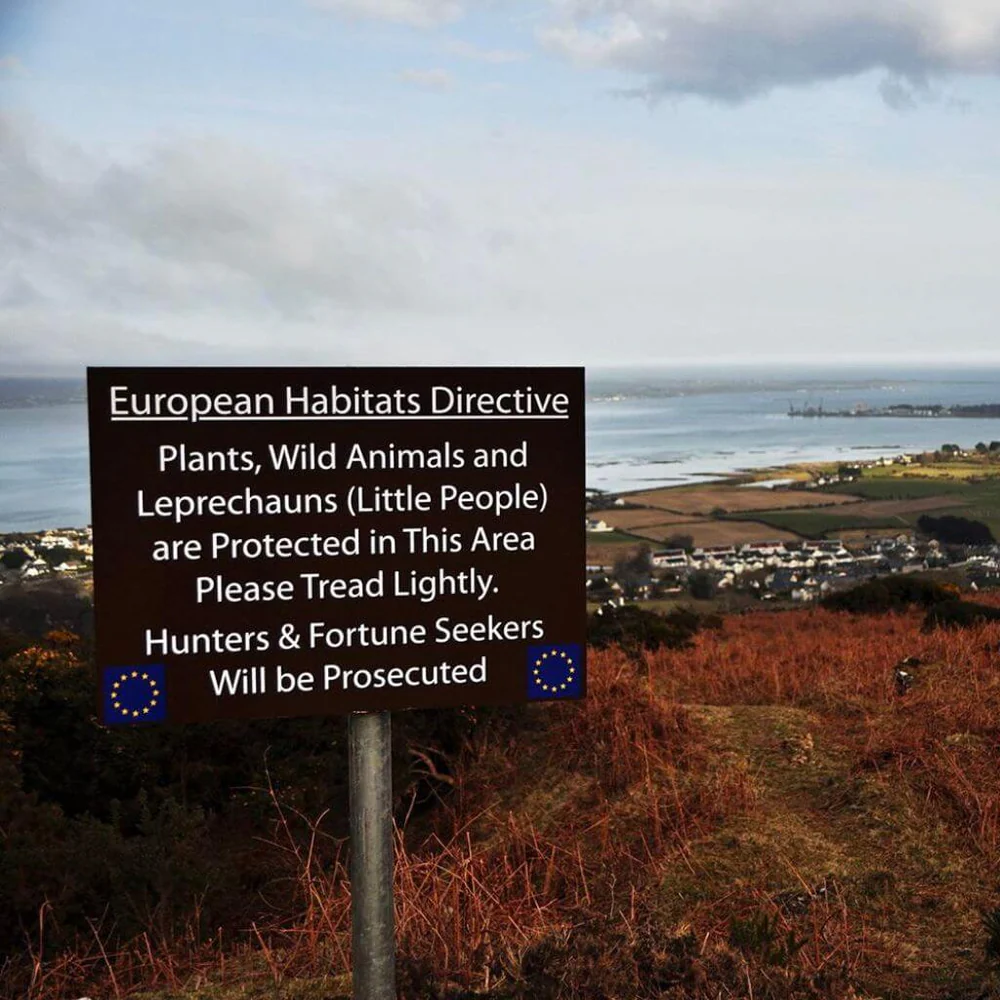
Today, the area is promoted as a conservation area — preserving not only local biodiversity but also Ireland’s storytelling heritage. Each year, visitors gather for the annual Leprechaun Hunt, celebrating the enduring power of myth, belief, and playful tradition rooted in Irish cultural folklore.
From Ancient Folklore to Modern Icons: Leprechauns Today
How did an ancient Celtic fairy become a global icon? Over time, leprechauns have escaped folklore and stepped into advertising, film, public campaigns, and even science—often taking on meanings far removed from their original mythological roots.
#19. A Symbol of Irish Identity and St. Patrick’s Day
In the modern world, leprechauns have become one of the most recognizable symbols of Irish identity, closely tied to St. Patrick’s Day celebrations across Ireland and beyond. Their image appears everywhere during the festival — from parades and street performances to decorations, costumes, and commercial branding — serving as a playful representation of Irish heritage.
This symbolism, however, is a relatively recent transformation. Earlier folklore described leprechauns in red or earth-toned clothing, but over the 20th century, green attire became dominant as it aligned with Ireland’s national color, the shamrock, and themes of luck. As St. Patrick’s Day evolved into a global cultural event, the leprechaun shifted from a cautious trickster of Irish folklore into a cheerful cultural ambassador — simplified, commercialized, and widely embraced as a festive icon rather than a figure of superstition.

#20. When Leprechauns Became Anti-Smoking Ambassadors
In the early 2000s, leprechauns took on an unexpected new role — not as tricksters or treasure keepers, but as anti-smoking ambassadors for Ireland’s public health campaigns.
The Irish Department of Health launched a now-famous campaign featuring a leprechaun tossing away his pipe with the blunt message: “If I can quit, so can you.” The contrast was intentional. By using a deeply familiar folklore figure, the campaign aimed to make quitting smoking feel more relatable, humorous, and culturally grounded. At the time, the ads quickly went viral across Ireland, proving that even ancient mythological characters could be repurposed for modern social change.
This unusual moment marked a turning point in how leprechauns were used in contemporary culture — not just as festive mascots, but as tools for public messaging, showing how far the legend had traveled from its original roots in Irish folklore.
#21. When Leprechauns Became Horror Icons
In 1993, the leprechaun took a sharp turn into horror when the film Leprechaun, starring Warwick Davis, reimagined the once-playful folklore figure as a violent, gold-obsessed killer.
Gone was the mischievous fairy of Irish legend. In its place stood a grotesque monster that stalked, mocked, and brutally murdered its victims — often with a disturbing fixation on shoes and stolen gold. The film shocked audiences by twisting a familiar cultural symbol into something terrifying, turning the leprechaun into an unexpected horror icon. This portrayal, though far removed from traditional Irish myths, shows how deeply the leprechaun image has been reshaped by modern pop culture, proving that even ancient myths can take on dark new forms.
#22. From Irish Folklore to Mars: NASA’s “Leprechaun Ridge”
In 2019, the leprechaun’s journey took an unexpected leap beyond Earth — straight to Mars. NASA named a small Martian rock formation “Leprechaun Ridge” after it appeared unusually green under sunlight, a color caused by the mineral olivine.
While the name was informal, it quickly caught attention, especially in Ireland, where the story was embraced with humor and pride. Jokes spread online claiming that leprechauns had finally expanded their territory beyond Ireland. Though rooted in science rather than myth, the naming shows how deeply leprechauns have embedded themselves in global imagination — so much so that even space exploration couldn’t resist borrowing a piece of Irish folklore.
#23. A leprechaun colony reportedly exists in Portland, Oregon.
Did you know there’s a leprechaun-inspired landmark in the United States? Among the more unusual fun facts about Leprechauns is Mill Ends Park, officially recognized as the world’s smallest park, located in Portland, Oregon. The story began in 1948 when journalist Dick Fagan noticed a small hole in the concrete, originally intended for a light pole. Claiming a leprechaun dug it, Fagan transformed the spot into a whimsical garden, complete with flowers and a sign declaring it a park. In his newspaper column, he spun tales of a leprechaun colony led by a mischievous leader only he could see.

By 1976, Mill Ends Park was officially designated as a city park on St. Patrick's Day. Though no leprechauns have been spotted, locals continue to nurture this quirky space, adding tiny features like a miniature swimming pool with a diving board, keeping the spirit of leprechaun magic alive.
Final Thoughts: Beyond the Green Hat and the Pot of Gold
Leprechauns are more than cheerful symbols of luck. Beneath the green hats and rainbow myths lies a much older story shaped by Irish folklore, superstition, and centuries of storytelling. They remind us that greed has consequences, and not every promise leads to fortune.
From ancient fairy mounds to modern festivals, films, and even Mars, leprechauns have survived by adapting while never losing their mystery. Their true magic isn’t the gold they guard, but the stories they leave behind — quietly preserving a living piece of Celtic cultural heritage.
Frequently Asked Questions
What do leprechauns look like?
Leprechauns are commonly depicted as small, bearded men often dressed in green coats and buckled shoes. However, traditional images sometimes show them wearing red.
Are leprechauns real?
Leprechauns are mythical figures from folklore. While they are beloved in Irish culture, they do not exist in reality.
What is the relationship between leprechauns and St. Patrick's Day?
Leprechauns are often associated with St. Patrick’s Day as symbols of Irish culture and luck, frequently featured in decorations and celebrations.
What happens if you catch a leprechaun?
Folktales suggest that if you catch a leprechaun, they will offer you three wishes or reveal the location of their hidden treasure in exchange for their freedom.

Aimee Li
An author dedicated to exploring the rich history, vibrant culture,... of the Scottish clans. As an avid historian and fashion enthusiast, I have always been fascinated by Scotland's heritage and the timeless elegance of its traditional attire. Join me on this journey through the highlands and lowlands, as we delve into the heart of Scottish legacy together.


