



The Kennedy Clan Battles: The Struggle for Scottish Power
by Aimee Li on Nov 21, 2025
Table of Content
I. A Brief Origin of Clan Kennedy
The story of Clan Kennedy is deeply rooted in the rolling landscapes of southwestern Scotland, particularly in the ancient district of Carrick in Ayrshire. Scholars believe the clan's name derives from the Gaelic Ceannaideach (sometimes rendered MacUalraig), often translated as "ugly-headed" or "helmet-headed"—a descriptive nickname that evolved into a proud family identity. The first recorded Kennedy in Carrick appears around the late 12th or early 13th century when Gilbert MacKenedi witnessed a charter under the reign of William the Lion (1165 – 1214).

Over the following centuries, the Kennedys steadily increased their influence: by the mid-14th century, a key figure, John Kennedy of Dunure, had acquired lands at Cassillis, and by 1457, his descendant Gilbert Kennedy, 1st Lord Kennedy, was elevated to the peerage. Loyal supporters of the Scottish Crown during the Wars of Independence, the Kennedys established themselves as one of Ayrshire's leading Lowland families.
II. Why the Kennedy Clan Became One of Scotland's Most Combative Families
The Clan Kennedy established a powerful reputation in southwest Scotland through centuries of territorial ambition, noble elevation, and enduring feuds. Rooted in Ayrshire and Carrick, the family first secured significant influence when Sir John Kennedy of Dunure inherited lands, and later his descendant, Gilbert Kennedy, 1st Lord Kennedy, became Lord Kennedy around 1457.
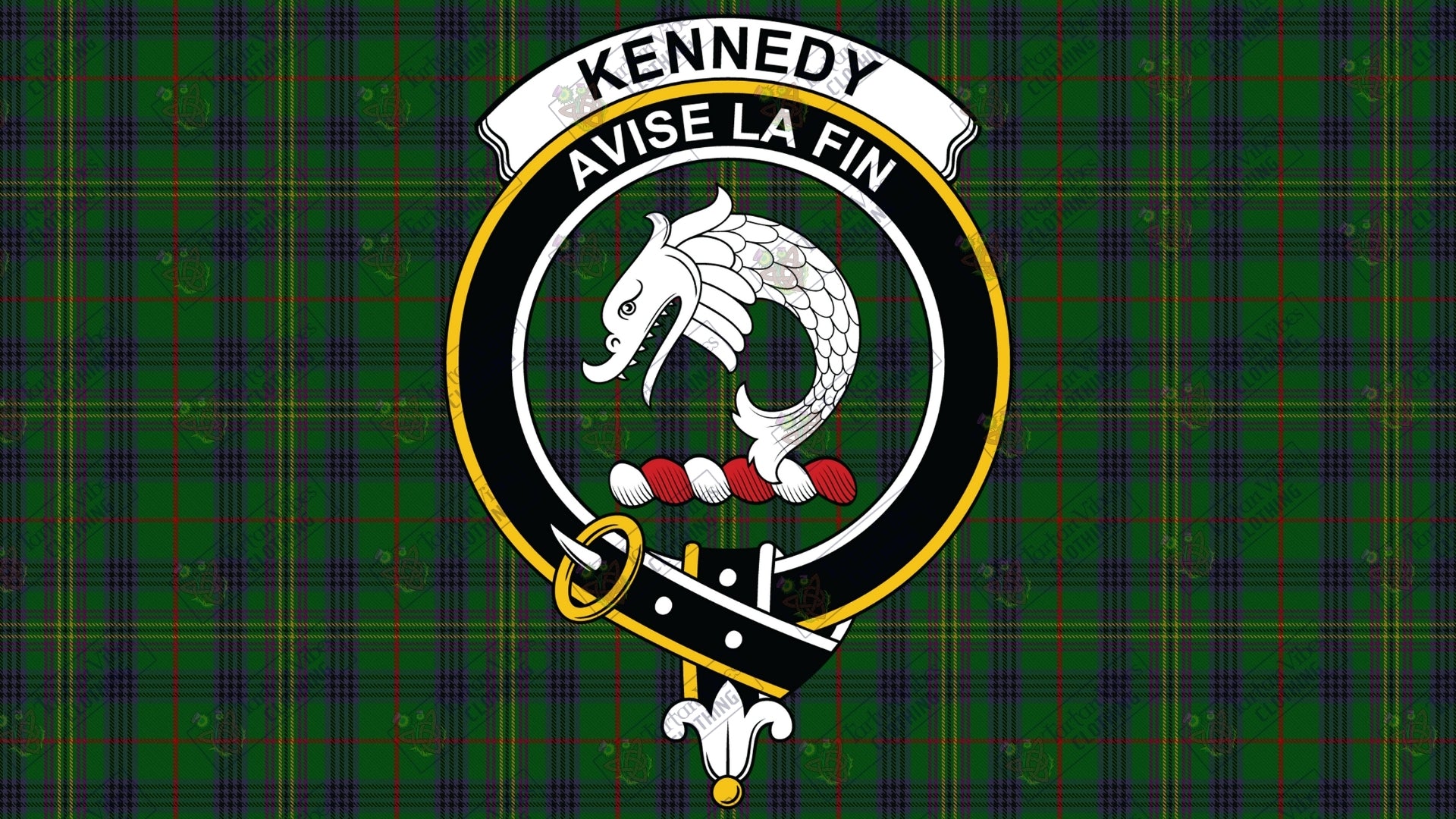
Their prominence was bolstered by loyal service to the Crown and military engagements, including support for the Scots during national conflicts. Intense internal rivalries further fueled the clan's combative image – for example, the bloody feud between the Cassillis branch and the Kennedys of Bargany in the early 1600s led to murders and royal involvement. In this way, the Kennedy family's ascendancy, strategic alliances, and inherited culture of conflict combined to make them one of Scotland's most formidable and adversarial clans.
III. Battles, Feuds, and Power Struggles of the Kennedy Clan
1. The Feud with Clan Cassillis (multi-century feud)
2. The Kennedy–Fergusson Feud
3. The Struggle for Earldom and Lands
The acquisition and retention of land were central to the Kennedys' combative nature. Their dominance in Carrick and later Galloway for over 200 years was maintained through force, political maneuvering, and crown loyalty.
Succession Disputes: When the 8th Earl of Cassillis died, a court battle over the succession and estates lasted three years, eventually being settled in favor of the heir male, Sir Thomas Kennedy of Culzean, by the House of Lords in 1762.
Political Acquisition: Early Earls, such as the 3rd Earl, were High Treasurers and used their positions to consolidate power. The "roasting" incident highlights the extreme measures taken to secure abbey lands.
4. Internal Power Struggles Within the Clan
IV. Political Influence and National Involvement
1. The Kennedys in the Scottish Wars of Independence
The Clan Kennedy's support for Robert the Bruce during the Scottish Wars of Independence was a pivotal moment in their history, laying the foundation for their future power.

- Loyalty to the Bruce: The Kennedys of Carrick were among the key supporters of Robert the Bruce in his struggle for the Scottish throne and independence from English rule. This loyalty was crucial in consolidating support for Bruce in the southwest of Scotland.
Rewards and Recognition: Following Bruce's victory and confirmation as King Robert I, he rewarded John Kennedy of Dunure by confirming him as the chief of the name and the Baillie of Carrick in 1372. This official position granted the clan significant judicial and administrative power over a large and strategic region, allowing them to establish a powerful lordship in Ayrshire that would last for over two centuries.
2. Royal Marriages and Power Alliances
The Kennedys expertly used marriages to link their family to the highest echelons of Scottish society, including the royal family itself.
Marriage to a Princess: Sir James Kennedy of Dunure (son of the above John) married Princess Mary Stewart, the second daughter of King Robert III of Scotland. This direct link to the royal house elevated the clan's status and cemented their place within the Scottish nobility.
Political Appointments: The influence gained from these alliances translated into high political office. James Kennedy, a younger son of the marriage between Sir James and Princess Mary, became one of Scotland's most respected and influential figures. He served as Bishop of Dunkeld and later Archbishop of St Andrews, as well as briefly holding the position of High Chancellor of Scotland. He was also a regent to the infant King James III and founded Scotland's first university, the University of St Andrews, in 1455.
Elevation to the Peerage: In 1457, Gilbert Kennedy (brother of the Archbishop) was created Lord Kennedy, a Lord of Parliament. In 1509, his descendant, Sir David Kennedy, the third Lord Kennedy, was made Earl of Cassillis, further consolidating the family's position as one of the most powerful in the realm.
These strategic actions allowed the Kennedys to rise from regional significance to national political prominence.
V. Intrigue, Betrayal, and Murder within the Kennedy Clan
1. The Dark Tale of Gilbert Kennedy
Gilbert Kennedy, the 4th Earl of Cassillis, earned a reputation for exceptional ruthlessness and perfidy in his relentless pursuit of wealth and power.
The Roasting of the Abbot: His most infamous act occurred in 1570, when he abducted Allan Stewart, the commendator of Crossraguel Abbey, to force him to sign over the rights to the abbey lands. Kennedy's men bound Stewart and tortured him by roasting him over a large fire in the "Black Vault" of Dunure Castle (near the clan's seat at Culzean) until he finally yielded to their demands.
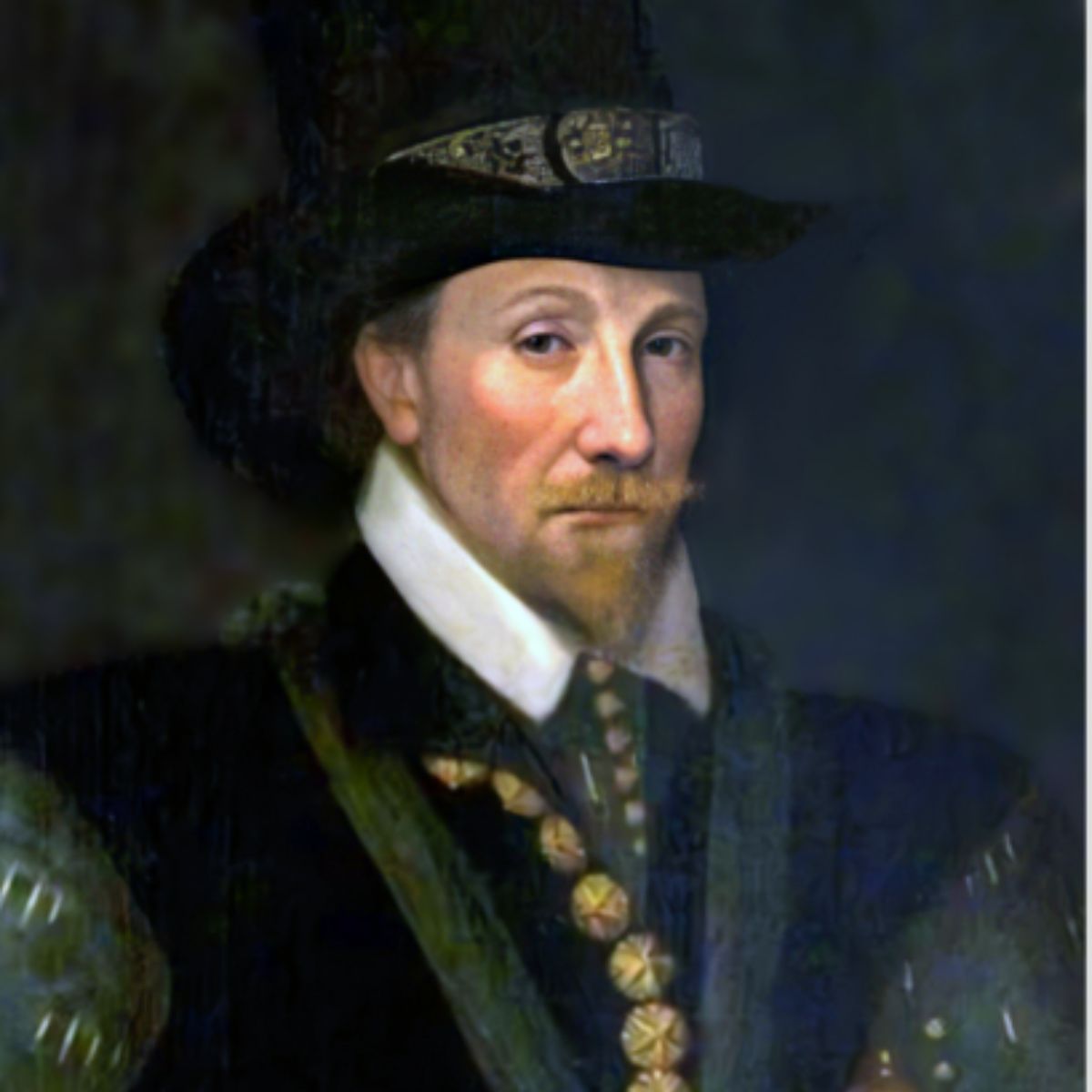
- A Trail of Deception: The Earl used forged documents to claim the lands initially, and then, to cover his tracks, he arranged for the murder of the monk who had counterfeited the signature. To ensure silence, he then had his own uncle accuse the assassin of theft and had him hanged.
2. The Cassillis Poisonings
Another moment of grim intrigue in the Kennedy lineage concerns the death of Gilbert Kennedy, 3rd Earl of Cassillis (1515–1558). While serving as a commissioner in France, he and fellow delegates died in one night in Dieppe, sparking rumours they had been poisoned after refusing the French dauphin's claim to the Scottish Crown. Though the official record later dismissed poisoning as unlikely, the story persists—highlighting the political peril that even high-ranking members of the Kennedy clan could face.

3. Ambushes and Political Assassinations
The rivalry between the Cassillis and Bargany branches culminated in several calculated acts of violence.
Murder of the Laird of Bargany: The feud reached a bloody climax on December 11, 1601, when John Kennedy, the 5th Earl of Cassillis, and his followers ambushed his cousin, the young Gilbert Kennedy of Bargany and Ardstinchar, near Maybole. The 25-year-old Gilbert was run through with a lance from behind and left to die. The Earl managed to escape justice from the Privy Council by claiming Bargany's group was a rebel.
Revenge Killings: The murder triggered a cycle of revenge. Bargany's brother, Thomas Kennedy of Drummurchie, retaliated by ambushing and killing the Earl of Cassillis's uncle, Sir Thomas Kennedy of Culzean, in 1602. He also attacked and fired the house of Auchinsoul and took the Countess of Cassillis prisoner. This led to further manhunts and executions, including the murder of a student named Dalrymple, who was a potential witness to some of the intrigue.
These actions, driven by personal ambition and power struggles, cemented the Kennedy clan's reputation for ruthlessness and intrigue in the history of the Scottish Lowlands.
VI. How the Kennedy Clan Secured Its Legacy
1. The Establishment of the Earldom of Cassillis
The transformation from powerful regional lairds to a major noble house was crucial to the Kennedy legacy.

- Elevation to Peerage: The clan's initial rise began with their loyalty to Robert the Bruce, which granted them administrative power in Carrick. In 1457, Gilbert Kennedy was created Lord Kennedy by King James II.
The Earldom: In 1509, David Kennedy, the third Lord Kennedy, was elevated to Earl of Cassillis by King James IV. This hereditary title solidified their rank among Scotland's highest nobility, ensuring their family's name would hold significant weight in national affairs for centuries.
Land Consolidation: The Earls were relentless in consolidating land, as exemplified by the infamous "roasting" of the Abbot of Crossraguel to acquire abbey lands. This concentration of wealth and property provided the financial backbone to maintain their power and influence.
2. Strategic Alliances and Marriages
The Kennedys expertly used marriage as a tool for political advancement, linking their lineage with influential families and even royalty.
Royal Connection: The marriage of Sir James Kennedy to Princess Mary Stewart, daughter of King Robert III, was a masterstroke. This alliance linked the clan directly to the Royal House of Stewart and produced highly influential children, including the Archbishop of St Andrews.
Inter-Clan Alliances: Marriages were used to create alliances with other powerful Lowland families, reducing conflicts and expanding their network of support. These bonds were essential in an era where family connections dictated political survival.
Political Appointments: The resulting influence from these alliances allowed the Kennedys to secure high offices, such as the Archbishopric of St Andrews and the High Chancellorship, giving them a voice at the very top of Scottish governance.
3. Transition From Warriors to Statesmen
While the early Kennedys were ruthless in battle and feuds, later generations shifted towards political maneuvering and national service, which ultimately secured their long-term position more effectively than violence.
- Founding of a University: James Kennedy, the Archbishop, founded the University of St Andrews, a legacy that demonstrates a commitment to education and national development beyond warfare.
National Roles: Later Earls and Marquesses served as ambassadors, privy councillors, and officers of state. John Kennedy, the 6th Earl of Cassillis, was a covenanter and a justiciar who helped negotiate the treaty with Oliver Cromwell, showing a transition to diplomacy.

- Modern Legacy: The clan leadership moved away from the violent feuds of the 16th century towards becoming respected landowners and figures in the Scottish Enlightenment. The current chief holds the title of the Marquess of Ailsa, and the family seat, Culzean Castle, is now a globally recognized monument to their enduring legacy, managed by the National Trust for Scotland. This shift from using force to exercising influence allowed the clan's name and status to endure for over 600 years.
Conclusion
Frequently Asked Questions
How did the Kennedys gain the Earldom of Cassillis?
In 1509, David Kennedy was created the 1st Earl of Cassillis by King James IV due to the clan's service, loyalty, and growing political influence.
Did the Kennedy Clan support Scottish kings?
Yes. The Kennedys often aligned with the monarchy, especially during the reigns of James IV and James V.
What were the main branches of the Kennedy Clan?
The two most notable branches were the Cassillis Kennedys, who held the Earldom and wielded political power, and the Bargany Kennedys, known for their rivalry with Cassillis and their influence in southern Ayrshire.
Why did the Cassillis–Bargany feud happen?
The feud was driven by power struggles, competing land claims, and political rivalry within Ayrshire. It escalated due to ambition, jealousy, and the desire to dominate local governance.
What happened to the Laird of Bargany in 1601?
Gilbert Kennedy of Bargany was ambushed and killed by followers of the Earl of Cassillis. This event marked the height of internal clan conflict and reshaped Kennedy's power dynamics.

Aimee Li
An author dedicated to exploring the rich history, vibrant culture,... of the Scottish clans. As an avid historian and fashion enthusiast, I have always been fascinated by Scotland's heritage and the timeless elegance of its traditional attire. Join me on this journey through the highlands and lowlands, as we delve into the heart of Scottish legacy together.


