



Table of Content
Introduction
If you’ve ever visited Scotland or watched a Highland event, you’ve likely seen men wearing what appear to be skirts. But these are not just any skirts—they are kilts, a powerful symbol of Scottish heritage.
Why Do Scottish People Wear Skirts instead of pants? The answer lies in a fascinating mix of history, culture, and practicality. From ancient warriors to modern weddings, the kilt has remained an enduring part of Scotland’s identity. In this article, we’ll explore kilts' origins, meaning, and significance and why they continue to be worn today.
The Origins of the Scottish Kilt
The tradition of wearing kilts dates back to the 16th century with the emergence of the féileadh mòr, or "great kilt". This was a full-length piece of fabric, about 5-7 yards long, wrapped around the body and secured with a belt. The excess fabric could be draped over the shoulder or used as a blanket, making it extremely versatile for the harsh Scottish climate.

Over time, the great kilt evolved into the féileadh beag, or "small kilt," which resembled the modern knee-length kilt we recognize today. By the 18th century, this style became the standard, particularly among Highland warriors and clan members.
However, after the Jacobite Rebellion in 1746, the British government banned kilts as part of the Dress Act to suppress Scottish identity. This ban lasted nearly 40 years, but kilts returned stronger than ever as a symbol of Scottish pride when it was lifted.

Why Do Scottish People Wear Skirts Instead of Pants?
Practicality & Comfort
One of the biggest reasons kilts became popular is functionality. Scotland’s rugged terrain required clothing that allowed for easy movement, and pants (or "trews", as they were called) were restrictive.
Kilts provided better ventilation, making them more comfortable, especially for long days spent outdoors, hiking, or even going into battle. In addition, the thick wool fabric kept wearers warm in the colder months while remaining breathable in warmer weather.
Battle-Ready Attire
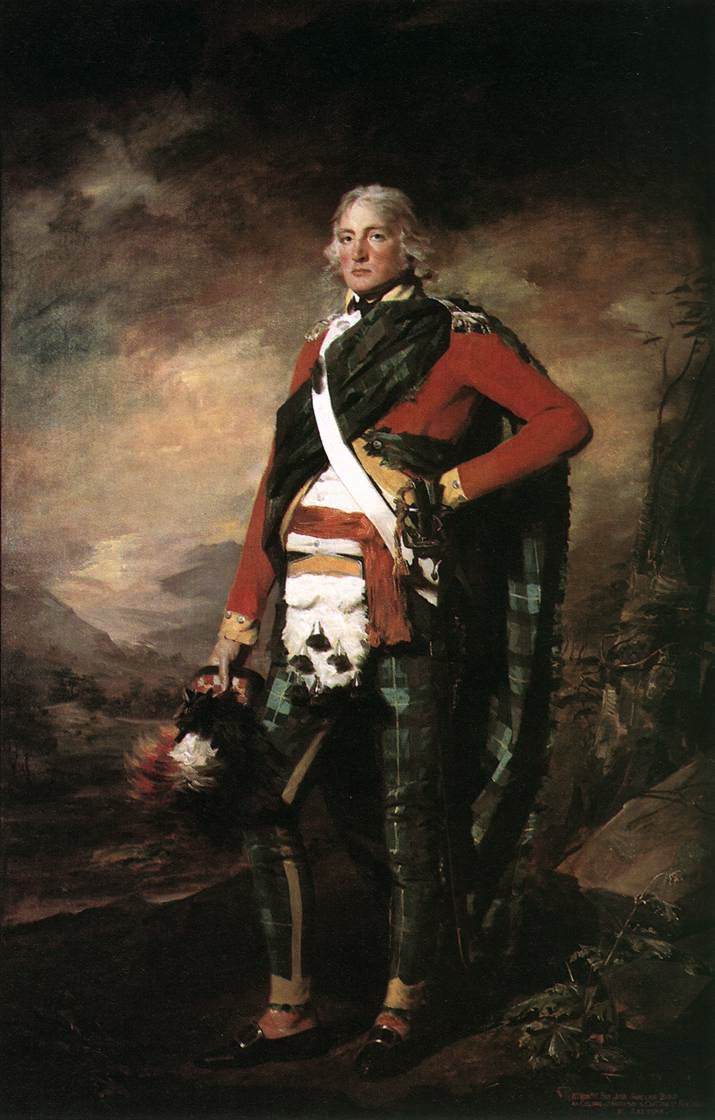
Scottish warriors needed to be quick and agile in battle, and kilts allowed them to move freely. Unlike tight-fitting trousers, kilts could be quickly removed if wet or heavy. They also provided a strategic advantage, as they could be used for camouflage or as a makeshift shield in combat.
Symbol of Rebellion
The Meaning Behind the Kilt – More Than Just Clothing
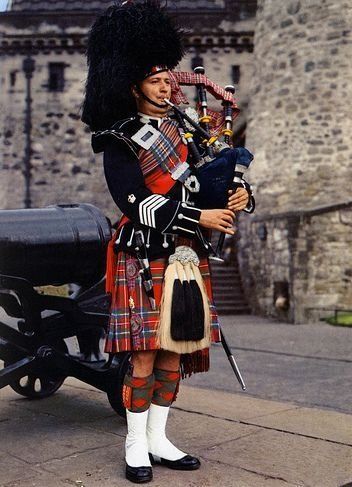
Kilts are more than just a piece of clothing; they symbolize heritage, identity, and pride. For centuries, the Scotland male skirt has represented Scottish culture and tradition, evolving from practical Highland wear to an internationally recognized emblem of Scotland.
Clan Identity – A Personal Connection to History
One of the most unique aspects of kilts is their tartan pattern—a checkered design woven into the fabric. Each tartan represents a specific Scottish clan, family, or region, making the kilt a deeply personal garment. In the past, tartans helped distinguish friend from foe in battle, much like a coat of arms. Today, they connect to ancestry and heritage, allowing Scots to display their family lineage proudly.
National Symbol – Recognized Around the World
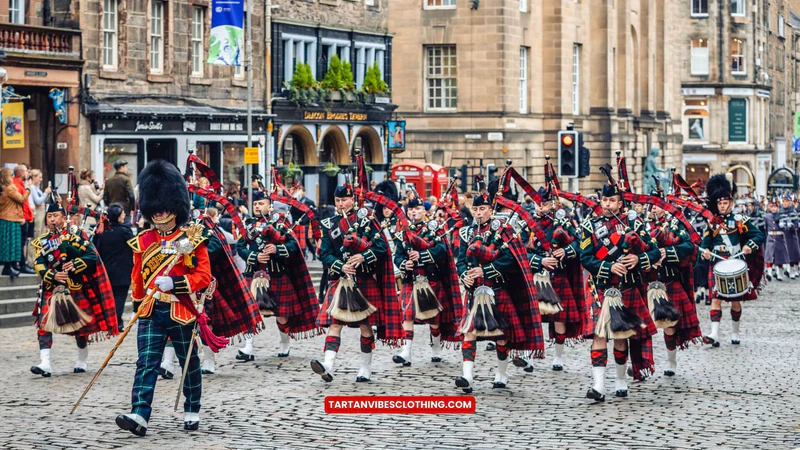
Beyond clan identity, kilts have become a universal symbol of Scottish pride. They are worn during significant national and cultural events, including:
Highland Games: A showcase of Scottish athleticism and tradition.
Formal Ceremonies & Parades: The Scottish military, pipe bands, and officials often wear kilts.
International Events: From royal ceremonies to Scottish festivals abroad, kilts proudly represent Scotland globally.
A Sign of Honor and Respect
What Are Kilts Made Of?
Traditional Kilts – Wool & Tartan Weaving
The most authentic and traditional kilts are made from tartan wool, a fabric known for its:
Warmth: Essential for Scotland’s cold and windy climate.
Durability: Wool kilts last for decades and are passed down through generations.
Breathability: Despite its thickness, wool regulates temperature, making it comfortable in all seasons.
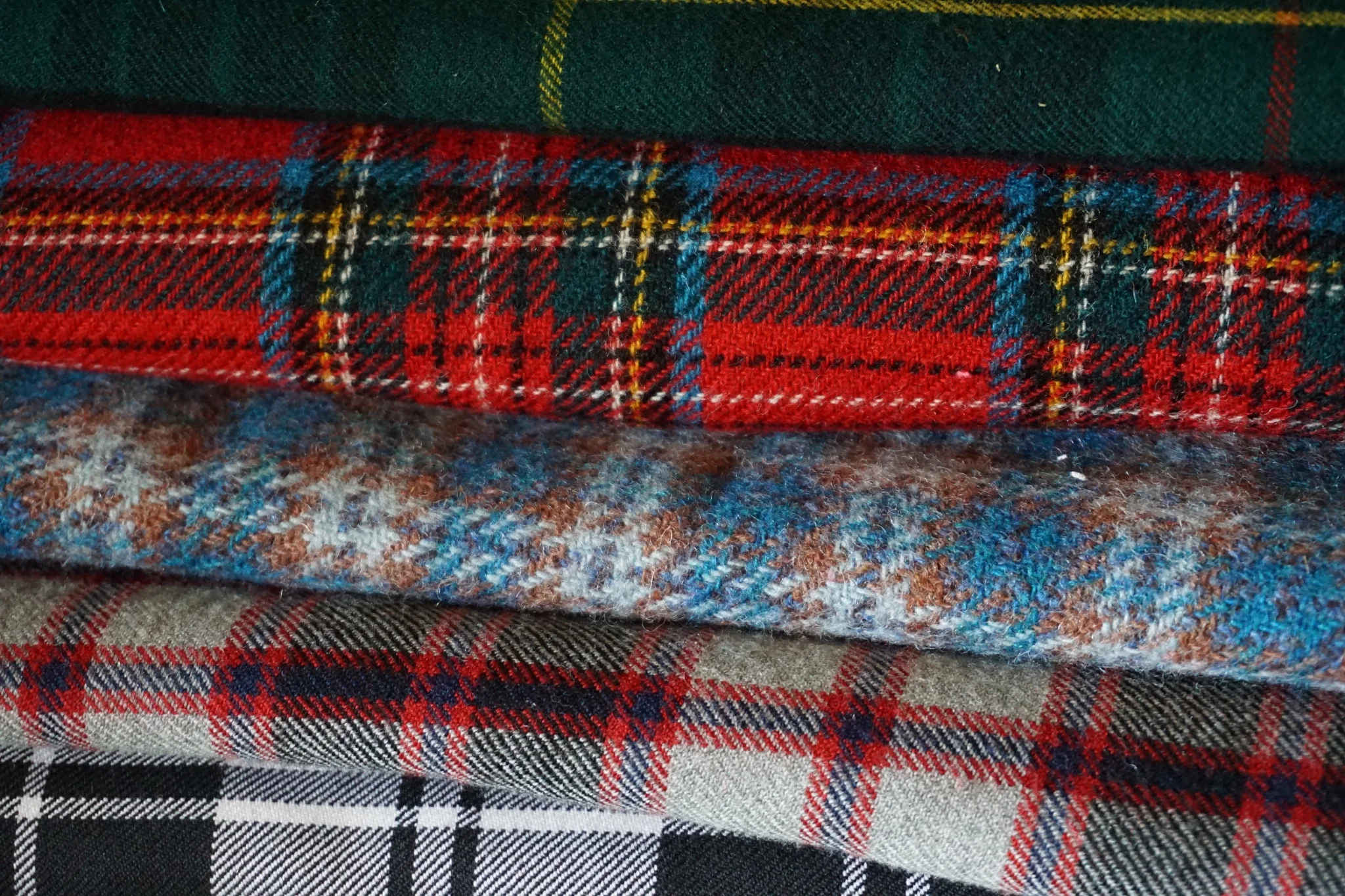
The Weaving Process:
Kilting wool is woven using a twill weave, which creates a diagonal pattern in the fabric. This sturdy construction ensures that kilts hold their pleats while remaining flexible for movement.
💡 Did You Know? The number of pleats in a kilt varies based on the wearer’s size and clan tradition. Some kilts have as many as 30 pleats, adding elegance and formality.
Modern Kilts – A Blend of Tradition and Style
While tartan wool remains the gold standard, modern kilts are now available in various materials to cater to different occasions and styles:
Cotton & Polyester Blends: Lighter and more affordable, often used for casual or utility kilts.
Leather Kilts: A bold, fashion-forward choice blending tradition with edginess.
Denim & Hybrid Kilts: Designed for casual wear, providing a rugged and modern alternative.
These contemporary materials have made kilts more accessible to non-Scots and global fashion enthusiasts, ensuring that the kilt remains relevant today.

Do Scottish People Still Wear Kilts Today?
Absolutely! While kilts are no longer everyday wear, they remain an essential part of Scottish culture and are proudly worn on special occasions.
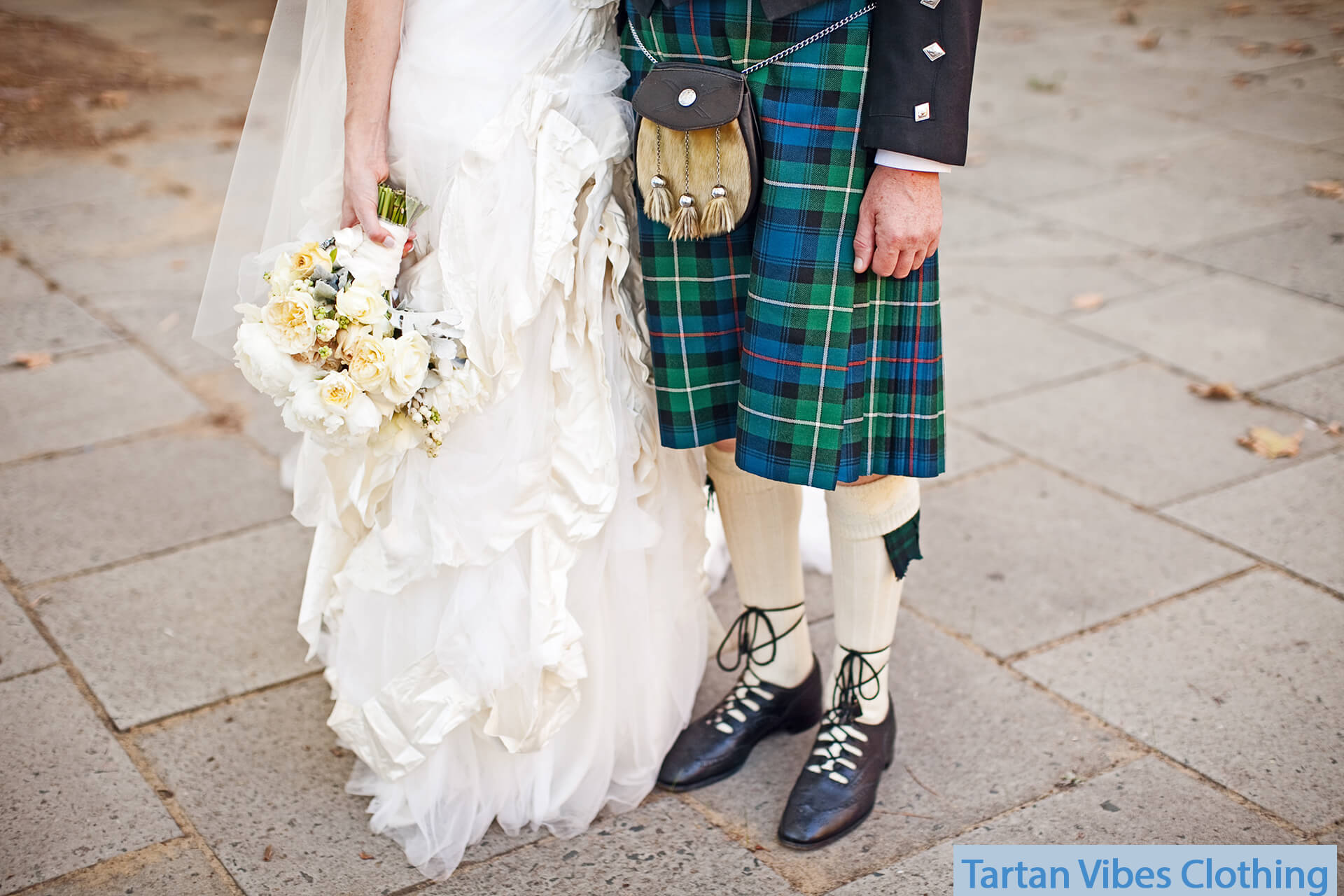
Scottish Weddings: Many grooms choose to wear kilts instead of suits for their big day.
Highland Games: Athletes and participants wear kilts as a cultural tradition.
Military Parades: The Scottish military and bagpipe bands still wear kilts as official uniforms.
National Celebrations: Events like St. Andrew’s Day and Burns Night feature traditional dress.
Some Scots still wear kilts in daily life, especially in rural areas. Kilts are also popular among Scottish sports fans, modern fashion designers, and those embracing gender-neutral styles.

How to Wear a Kilt Properly
Wearing a kilt is all about getting the details right. Whether you're dressing for a wedding, a Highland games event, or just showing off your Scottish pride, here’s how to do it properly:
1️⃣ Start with the Basics – Put on a formal shirt and pull up your kilt hose (knee-high socks). Fold the top of the socks, leaving about three fingers’ width below the knee.
2️⃣ Secure the Flashes – Wrap the decorative garters (flashes) around your calves and fold the socks over them to keep everything in place.
3️⃣ Wrap the Kilt Correctly – Pleats go at the back, the flat apron in front. Fasten the straps so the kilt sits just above your navel, with the hem reaching the middle of your kneecap.
4️⃣ Add the Kilt Pin – Pin it to the lower right corner of the front apron for weight, but don’t pierce both layers—you need to move!
5️⃣ Strap on the Sporran – Fasten the small pouch at the front, about three fingers below the waistline—it’s your kilt’s version of a pocket.
6️⃣ Lace Up the Ghillie Brogues – Tie the long-laced shoes securely around your ankles in a crisscross pattern.
7️⃣ Finish with a Jacket & Waistcoat – Wear an Argyll jacket for semi-formal occasions or a Prince Charlie for black-tie events.
8️⃣ Final Check – Make sure the pleats are neat, the sporran is centered, and your socks are at the right height. Now, step out in style and rock that kilt with confidence! 🔥
Conclusion
At first glance, a kilt might seem like just a piece of fabric, but it carries centuries of history, culture, and pride. More than just clothing, it’s a symbol of identity and tradition that thriving in Scotland and beyond.
Wearing a kilt isn’t just about looking the part—it’s about honoring the past while embracing the present. Whether you're Scottish by blood or love the heritage, donning a kilt is an experience like no other.
So, if you ever get the chance to wear one, own it with pride! Who knows? You might feel a little more Scottish yourself.
Frequently Asked Questions
What do skirts for Scottish men do for weather?
Kilts help Scottish men adapt to different weather conditions. The wool fabric provides insulation during cold weather, allowing breathability in warmer temperatures.
How does Scottish people wearing skirts help with the weather?
Kilts offer excellent ventilation, preventing overheating in warm weather, while the thick wool keeps the body warm in colder conditions, making them practical year-round.
What is the purpose of wearing a kilt?
Known as the Scottish national dress, kilts are recognised the world over. A symbol of patriotism and national identity, they have deep-seated cultural and historical roots. Across the globe, Scottish people proudly sport kilts as a tribute to their heritage.
When and why did the Scots start wearing kilts?
The kilt as we know it today originated in the first quarter of the eighteenth century. Known to the Gaelic-speaking Highlander as the “little wrap” (feileadh beag), it evolved from the “big wrap” (feileadh mor), or belted plaid, the first identifiably “Scottish” costume that emerged in the late sixteenth century.

Teresa Finn
As someone with a deep passion for clan heritage, especially the intriguing world of tartans and their rich traditions, I'm here to be your companion on this exciting journey. Together, we'll delve into the depths of clan history, uncovering the stories behind these vibrant tartans and making every connection to your heritage more meaningful.


