



Discover the Charm of Traditional Irish Clothing | Embrace Heritage and Style
by Teresa Finn on Nov 05, 2025
Table of Content
When you search for traditional Irish clothing, what are you truly looking for? Are you seeking the bright, festive costumes often seen at parades, or are you searching for a deeper connection to a rugged, resilient history?
For many, the concept of Ireland traditional clothing is blurred by myths and modern stereotypes. The reality is far more fascinating than the plastic "Leprechaun" outfits sold in tourist shops. From the ancient, flowing robes of Gaelic chieftains to the practical, hard-wearing woolens of the 19th-century countryside, Irish attire tells the story of a people who survived and thrived against the elements.
This guide will walk you through the true history of Irish dress, clear up the myths about kilts, and show you how to incorporate authentic Irish fashion into your modern wardrobe without looking like a caricature.
History of Irish Culture Clothing: From Gaelic to Colonial
Ancient Gaelic Dress (Pre-1600s)
If you are looking for the closest thing to a historical Ireland national costume, look to the pre-17th century.
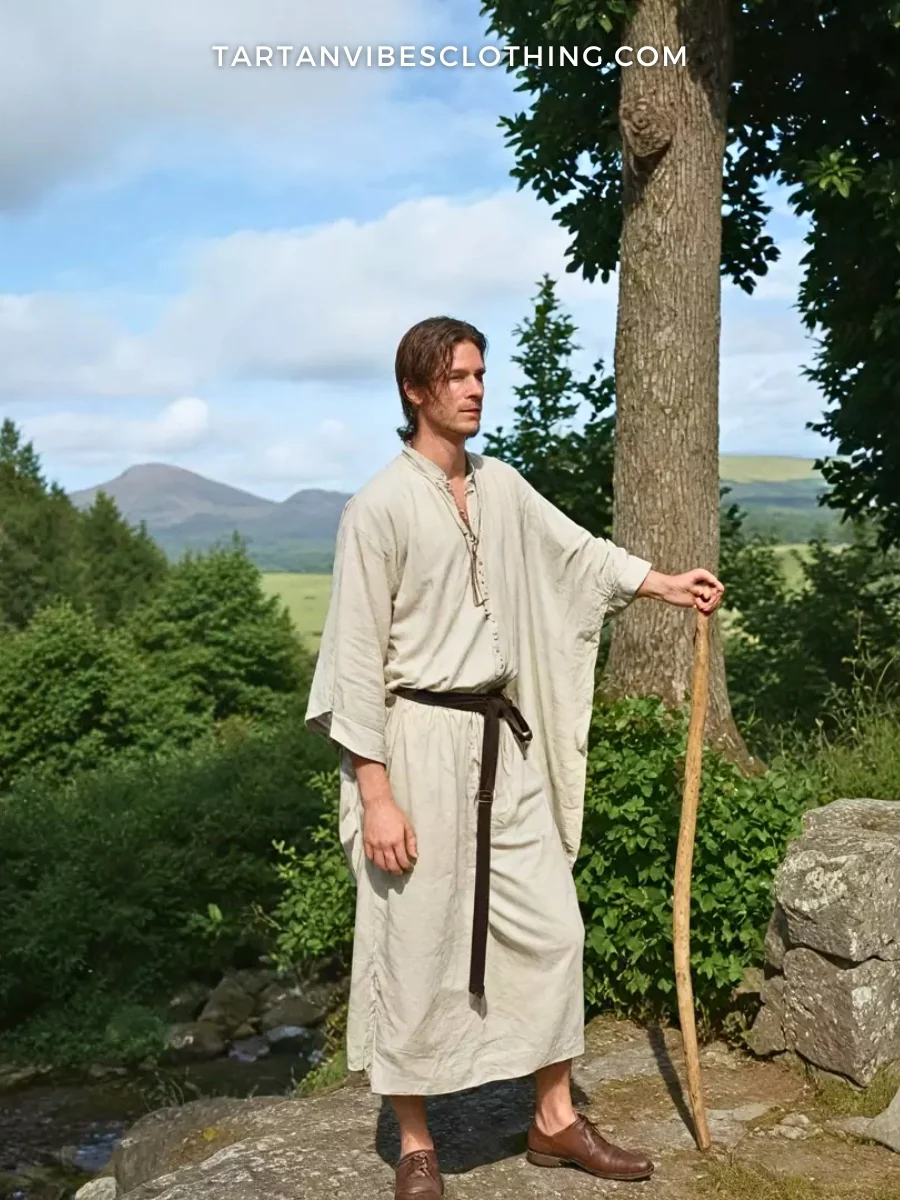
- The Léine (The Tunic): This was the foundation of the outfit. It was a long, saffron-colored linen tunic, often gathered at the waist with a belt. It was practical for a warrior society—cool in summer and easy to move in.
- The Brat (The Mantle): Over the Léine, the Irish wore a Brat—a large, heavy wool cloak. This was more than just Irish clothing traditional to the era; it was a sleeping bag, a raincoat, and a status symbol all in one.
- The Forbidden Dress: These garments were so distinctly Irish that Henry VIII and later English monarchs banned them. They viewed the mantle as a hiding place for rebels and weapons. This suppression forced a slow evolution in Irish traditional clothing toward the European styles we recognize today.
The Evolution into Rural "Irish Clothes" (19th Century)
Key Elements of Traditional Irish Clothing
For Men: More Than Just a Flat Cap
The Historical Icons: Workwear & Warriors
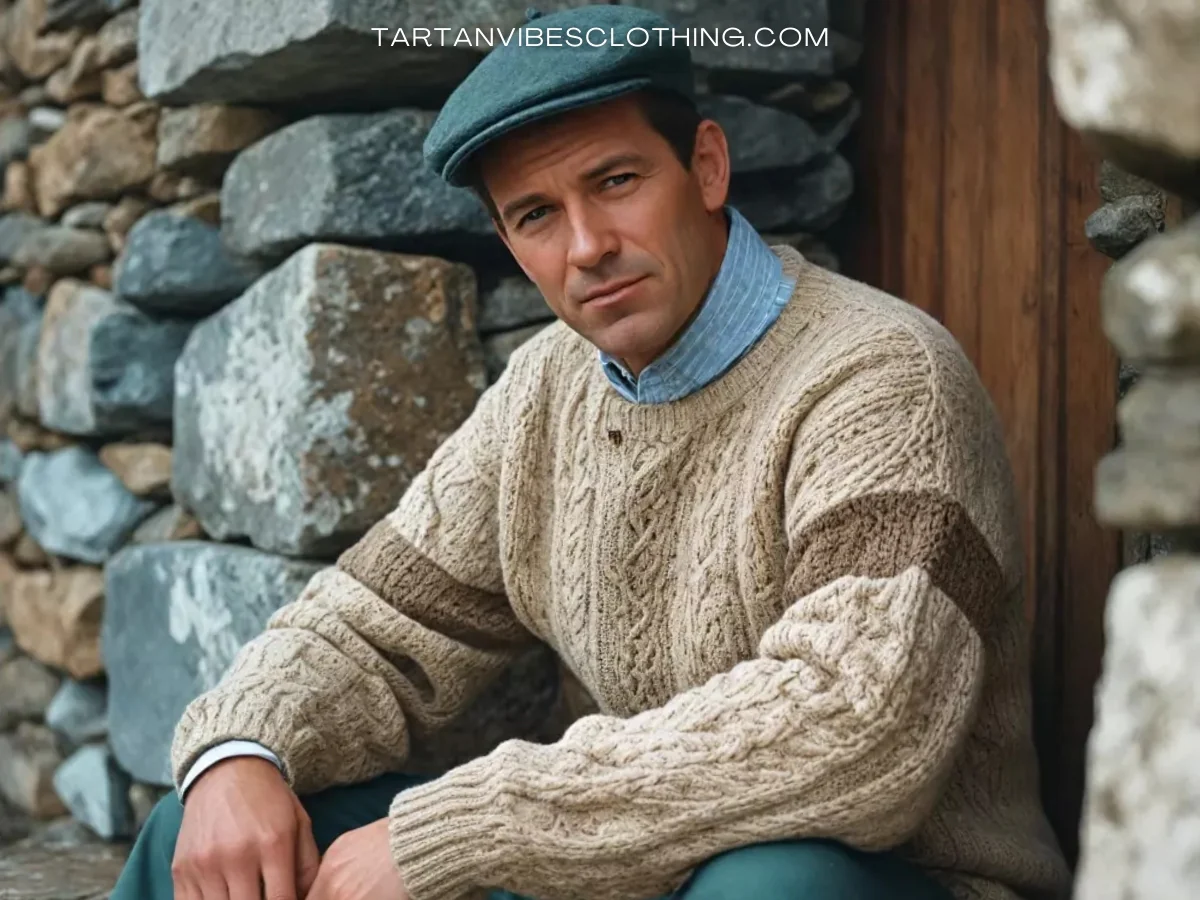
- The Aran Sweater (Geansaí Árann): Originally strictly for function, island women knitted these water-resistant wool sweaters for their fishermen husbands and sons. The intricate cable stitches were said to represent ropes and hopes for a safe catch. Today, they are a global fashion staple.
- Grandfather Shirts & Tweed Vests: This collarless shirt paired with a heavy Donegal tweed vest is the quintessential rural look. It has seen a massive resurgence recently (think Peaky Blinders or The Banshees of Inisherin), proving that classic Irish traditional clothing is timeless.

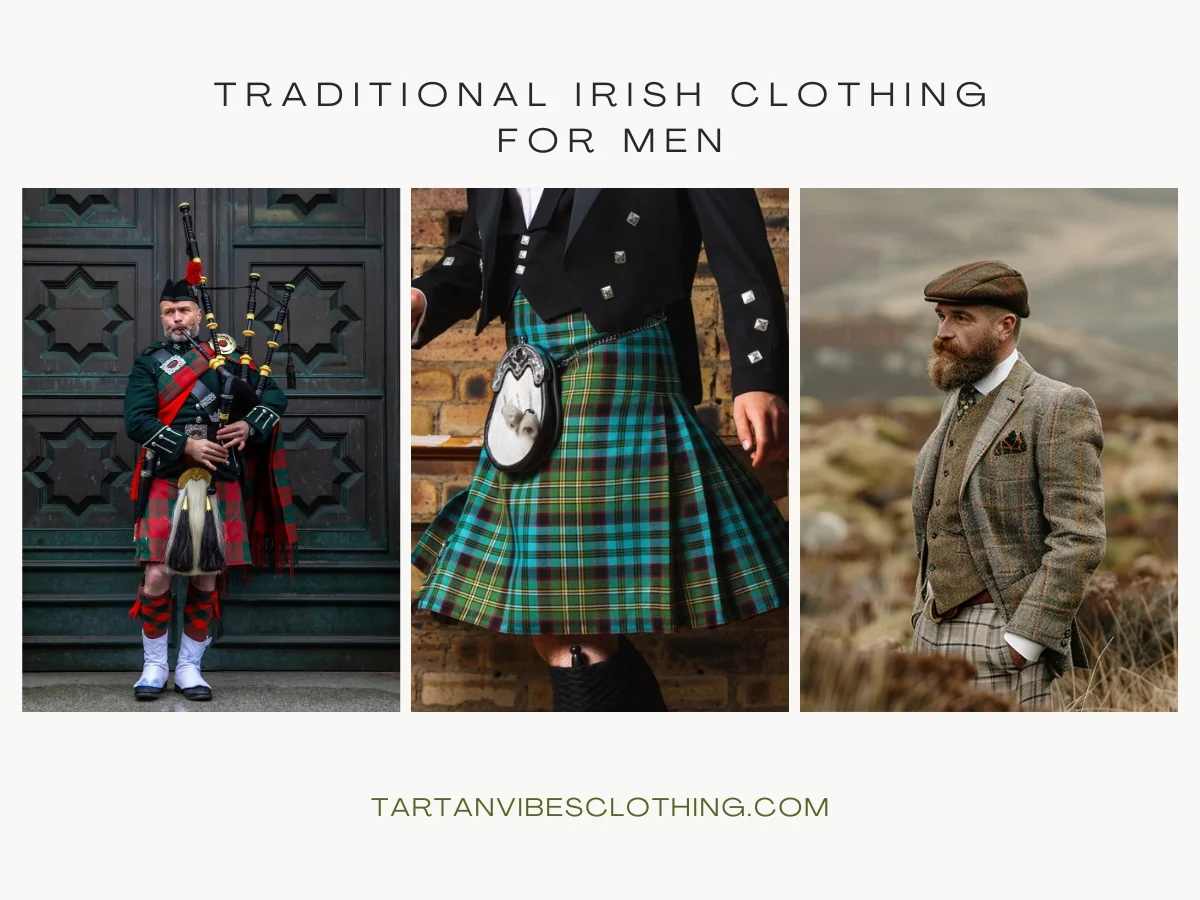
- The Kilt Debate: Do the Irish wear kilts? The short answer is yes, but with a caveat. While the Scottish have distinct clan tartans, the Irish Saffron Kilt (solid mustard yellow) was historically worn by pipers and the Irish military. Today, many men wear tartans associated with their County (e.g., Cork, Dublin) rather than a family clan.

Want to dive deeper? Check out our guide on the Irish Kilt vs Scottish Kilt: Unraveling the Differences to explore the unique traditions behind each.
Modern Men's Style: Rugged & Refined
While we respect the classics, the modern Irishman needs versatility. Here is how to update the look.
The Ghillie Kilt Shirt: The ultimate romantic hero look. With its signature crisscross lacing, it pairs perfectly with jeans or Shorts for a rugged style—no kilt required.
Celtic Bombers & Jackets: We’ve updated the classic Bomber Jacket and Leather Bomber with subtle Celtic embossing and Tartan accents. It is the perfect way to wear your heritage warmly without looking like a costume.
The "Peaky" Touch: No outfit is complete without a Flat Cap. Whether styled with a casual Polo Shirt or a suit, it is the timeless signature of the Irish gentleman.


For Women: From Galway Shawls to Modern Style
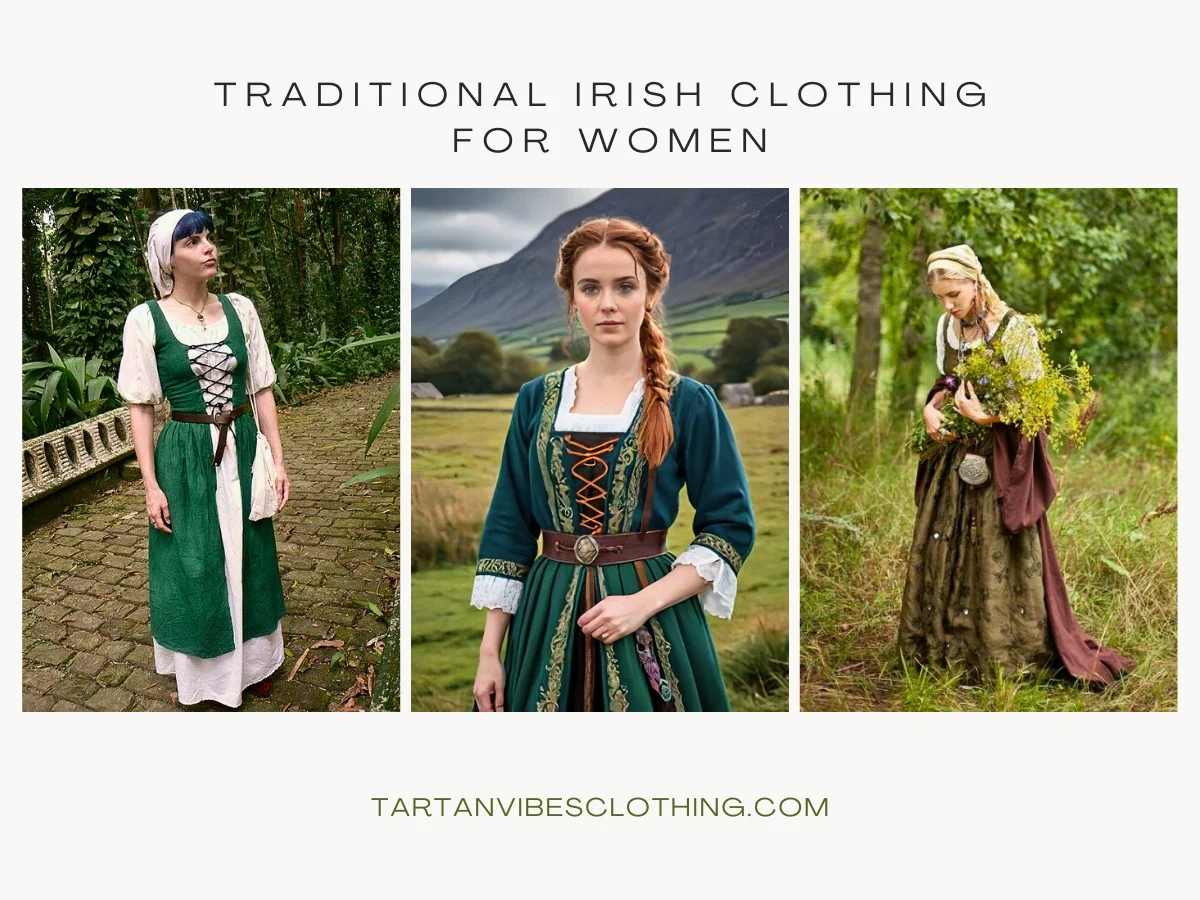
The Historical Icons
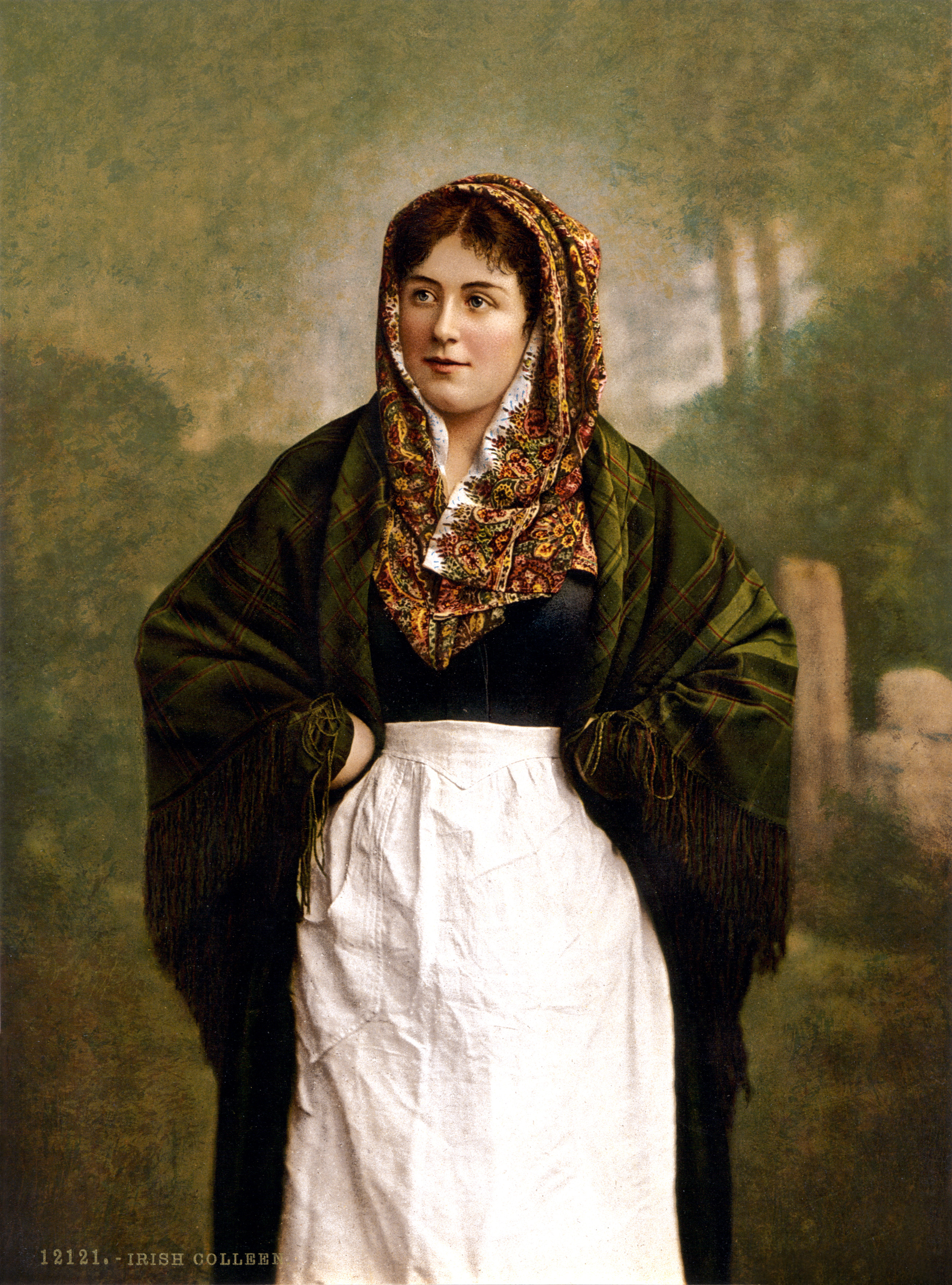
- The Galway Shawl: Before modern coats, this heavy woolen shawl (often red or black) was the symbol of rural matriarchal strength. It was beautiful but cumbersome and meant for harsh weather.
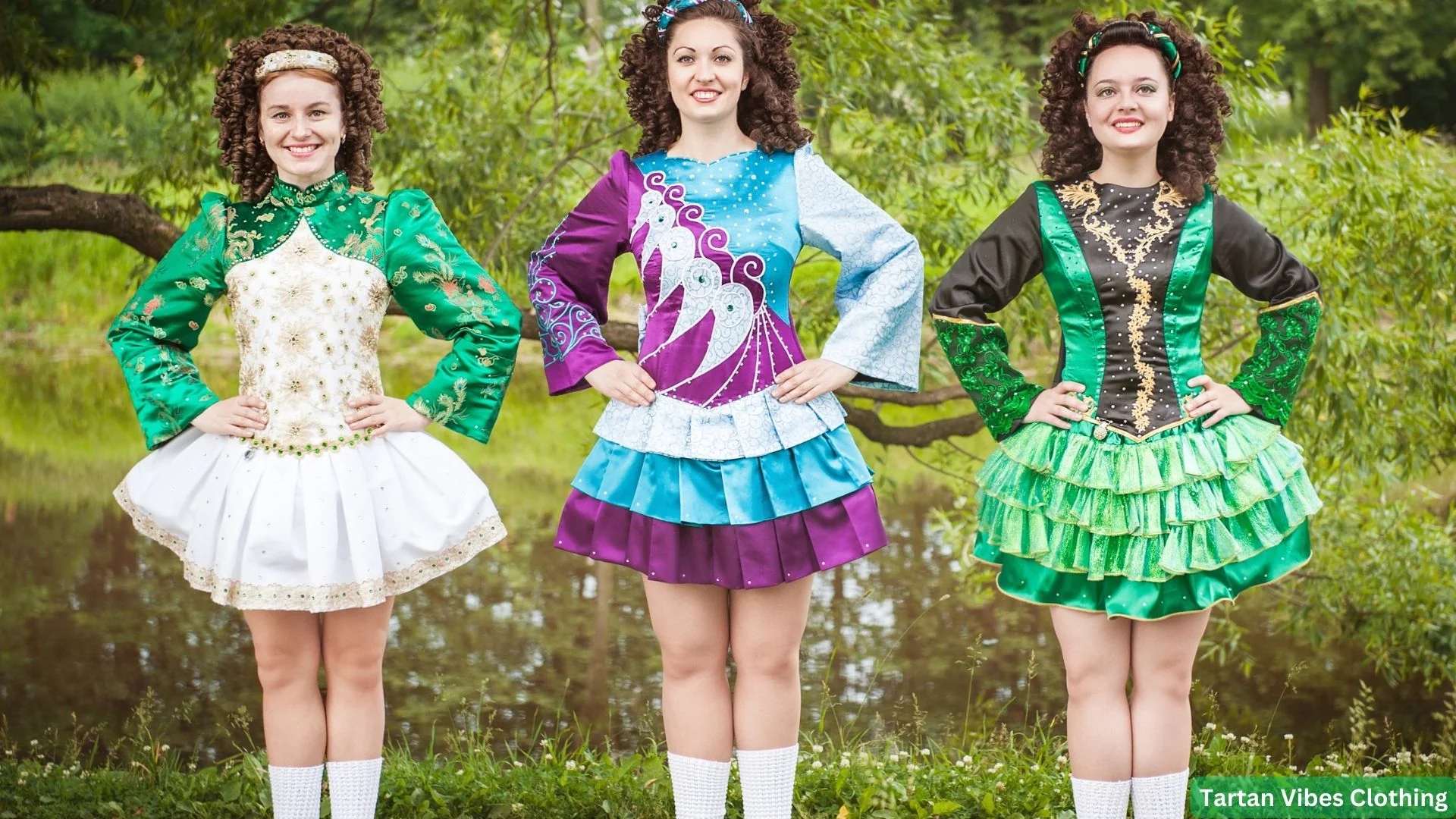
- Irish Dancing Dresses: Often mistaken for everyday wear, these stiff, elaborately embroidered dresses are actually modern stage inventions (post-Celtic Revival), designed purely for performance rather than practicality.
The Modern Evolution: Heritage You Can Wear
Today, women embrace those same Celtic patterns but in versatile, comfortable silhouettes that fit a modern lifestyle.
Tartan Leggings & Skirts: We’ve replaced heavy petticoats with movement. Whether it’s sleek Leggings for yoga or a Pleated Mini/Midi Skirt, these bottoms let you wear your Clan Tartan with athletic comfort.
The Hoodie Dress & Sherpa: The modern answer to the Galway Shawl. Our Hoodie Dresses and Sherpa Hoodies offer the cozy visual texture of Aran knits but on soft, lightweight fabrics—perfect for layering without the bulk.
Essential Accessories: Carry your history with function. Swap the old baskets for Leather Tote & Saddle Bags featuring Celtic embossing, or stay warm with Winter Trapper Hats and scarves.


Modern Irish Fashion: How to Wear "Ireland Outfits" Today
The Casual Look (Streetwear Meets Heritage)
How can you wear Irish clothes on a casual Tuesday without looking costumey?
The "Modern Celt" Aesthetic: Swap the itchy wool for comfort. Pair a high-quality hoodie featuring Celtic knotwork prints or distinct Irish tartans with dark denim jeans.
Layering: Wear a Grandfather shirt open over a graphic tee inspired by Gaelic mythology.
Footwear: Rugged leather boots anchor the look, nodding to the farming roots while remaining city-appropriate.
For Special Occasions (St. Patrick’s Day & Weddings)
If you are planning an Ireland outfit for a wedding or the parade, elevate your style.
Color Palette: Step away from the neon "Kelly Green." Authentic Irish style uses "Moss Green," "Heather Purple," and "Slate Grey"—colors drawn from the Irish landscape.
The Statement Piece: For men, a Tweed blazer or a tie with a subtle Celtic weave adds sophistication. For women, a dress incorporating the Claddagh symbol or Celtic knots in the fabric design offers a nod to tradition without the bulk of a heavy shawl.

Famous Materials: The Fabric of Ireland
The reputation of the clothes Ireland produces is built on the quality of natural fibers.
Donegal Tweed: Handwoven in County Donegal, this wool fabric mirrors the colors of the local boglands, granite, and moss. It is durable, warm, and iconic.
Irish Linen: Historically, Ireland was the linen capital of the world. Used for the ancient Léine, today it is prized for summer Ireland clothing due to its breathability and elegance.
Wear Your Story, Your Way
Let’s be honest. You love history, but you probably don’t want to wear a heavy, itchy wool cloak to the grocery store. Tradition should not be uncomfortable.
At Tartan Vibes Clothing, you can honor your roots without living in the past. We captured the soul of Irish heritage. We kept the intricate knots, the clan colors, and the rugged spirit. Then we fused them with modern comfort.
Don’t just read about history. Wear it.
FAQs About Traditional Irish Clothing
What is the traditional clothing of Ireland?
Traditional Irish clothing includes long wool dresses and cloaks for women, and flat caps, kilts, and layered wool garments for men. Outfits often reflect Celtic heritage with earth tones and practical layers.
Do Irish people wear kilts or is that just Scottish?
Yes, Irish people also wear kilts. While kilts are strongly linked to Scottish tradition, Irish kilts—especially in saffron or county tartans—are historically worn by Gaelic nobility at weddings and cultural events.
How do you dress in Ireland without looking like a tourist?
To avoid looking like a tourist in Ireland, wear neutral layers like jeans, sweaters, waterproof jackets, and boots. Skip flashy logos and opt for a smart-casual European look with practical, comfortable clothing.
What did the Gaelic Irish traditionally wear?
Gaelic Irish men wore the léine (tunic), brat (cloak), and triúbhas (trousers), while women wore the léine, brat, and gúna (dress). These garments were made from linen or wool and layered for warmth.
What is the national color of Ireland?
Green is the national color of Ireland, symbolizing Irish identity and used widely in cultural and sporting events. However, azure blue also appears in historical state symbols and official flags.

Teresa Finn
As someone with a deep passion for clan heritage, especially the intriguing world of tartans and their rich traditions, I'm here to be your companion on this exciting journey. Together, we'll delve into the depths of clan history, uncovering the stories behind these vibrant tartans and making every connection to your heritage more meaningful.


