


Tartan and Plaid: Understanding the Differences, History, and Popular Patterns
by Teejay Smith on Jul 03, 2026
Table of Content
Tartan and plaid are often used interchangeably, but they aren't the same. Tartan is a traditional Scottish pattern with a specific repeating sett, often associated with a clan, family, or institution. Plaid is a broader term for crisscrossed check patterns used in fashion and textiles. Simply put, all tartans are plaids, but not all plaids are tartans.
So why are the two terms so often confused? In this guide, we'll explain the key differences between tartan and plaid, explore their history and cultural significance, compare popular patterns, and show you how to identify a true tartan.
Quick Comparison
Tartan |
Plaid |
Traditional Scottish pattern |
General check pattern |
Registered sett |
No registration required |
Clan or institutional heritage |
Fashion and design use |
Always symmetrical |
May be symmetrical or asymmetrical |
What Are Tartan and Plaid?
What Is Tartan?
A tartan is a traditional Scottish textile pattern made from a specific sequence of coloured stripes that repeat symmetrically across both the warp and weft. This repeating design, known as a sett, gives every tartan its unique identity.
Unlike ordinary check patterns, many tartans are historically associated with Scottish clans, families, military regiments, districts, or organizations. Today, thousands of tartans are officially recorded in the Scottish Register of Tartans, helping preserve their cultural and historical significance.
Beyond its distinctive appearance, tartan represents Scottish heritage and identity. It is widely used in kilts, Highland dress, scarves, accessories, and ceremonial clothing.
Key characteristics of tartan:
Built from a repeating sett
Symmetrical across warp and weft
Often associated with Scottish clans or institutions
Many designs are officially registered
Rich in cultural and historical significance
Below are a few examples of authentic Scottish tartans, each identified by its own unique sett and color arrangement.


What Is Plaid?
Plaid is a general term for patterns made from intersecting horizontal and vertical stripes that form checks or grids. Unlike tartan, plaid is not limited to Scottish heritage and does not follow a fixed pattern or registration system.
Plaid designs can be woven, printed, symmetrical, or asymmetrical, giving designers far greater creative freedom. This broad category includes many familiar patterns such as Buffalo Plaid, Gingham, Madras, Windowpane, and Glen Plaid (Prince of Wales Check).
Today, plaid is widely used in shirts, jackets, dresses, blankets, upholstery, and interior décor, making it one of the most versatile pattern families in fashion and design.
Key characteristics of plaid:
A broad category of checked patterns
No official registration or standardization
May be symmetrical or asymmetrical
Commonly used in fashion, textiles, and home décor
Includes many different plaid styles beyond tartan
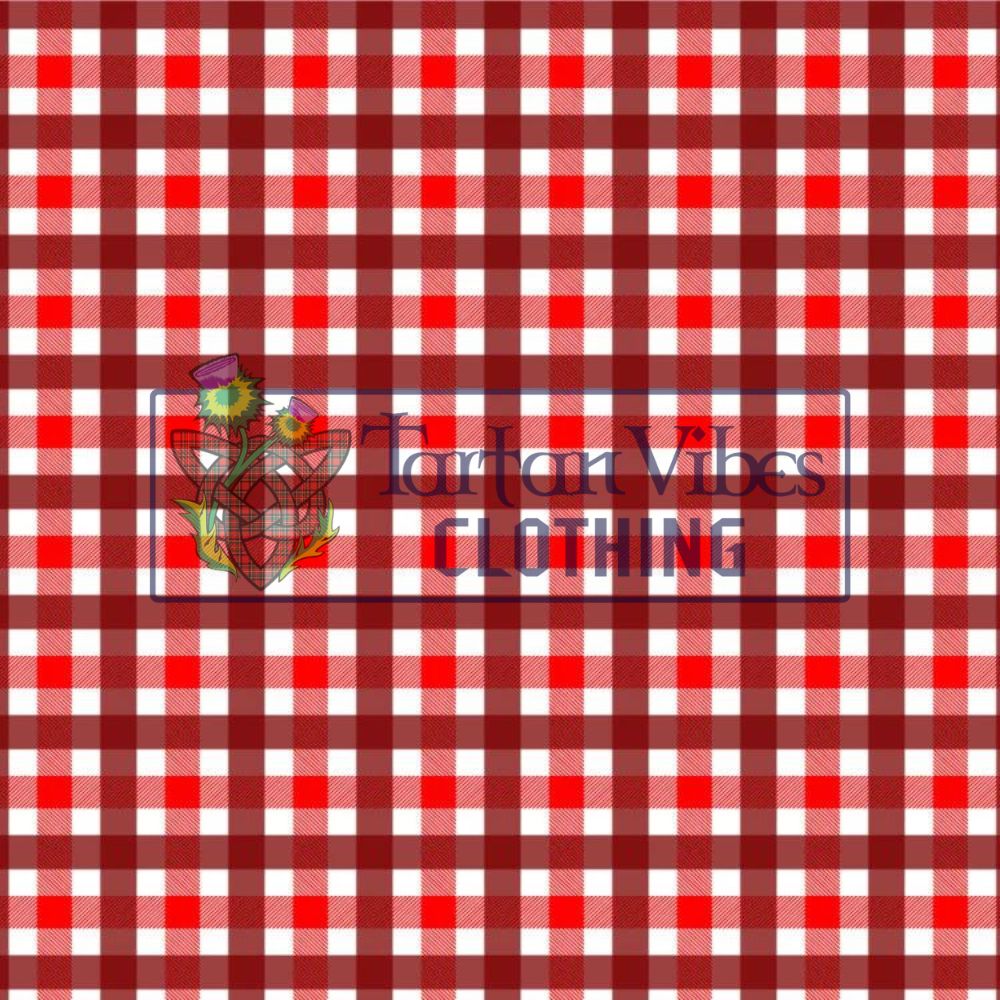
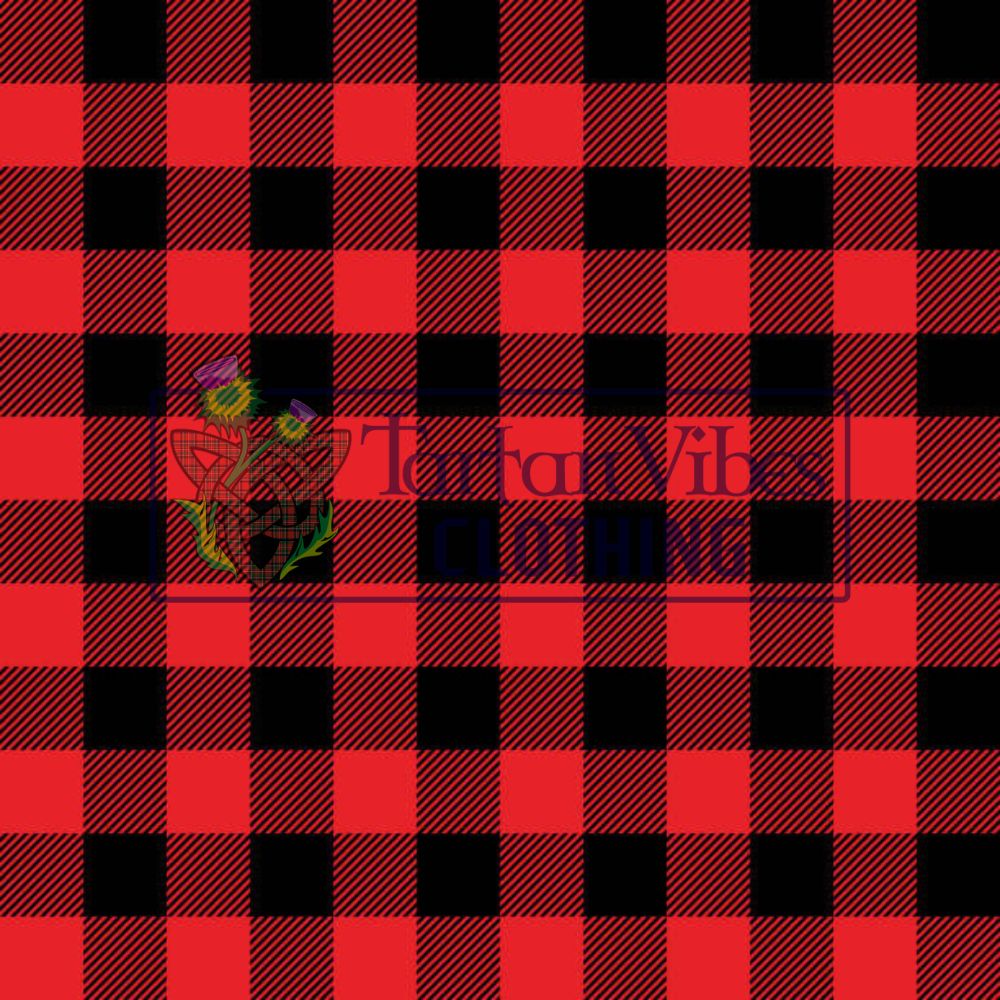
Below are a few examples of common plaid patterns used in fashion and textiles, each with its own distinctive visual style.

Why Are Tartan and Plaid Often Confused?
The confusion largely comes from differences in language and regional usage.
In Scotland, the patterned fabric itself is called tartan, while the word plaid originally referred to a large woollen cloak or blanket—known as the feileadh mòr or belted plaid—traditionally worn over Highland dress. Over time, particularly in North America, the word plaid evolved into a catch-all term for almost any crisscrossed check pattern, including tartans.
As a result, many people outside Scotland use "plaid" to refer to what Scots call tartan. While this usage is widely accepted in modern fashion, it can blur the distinction between a registered Scottish tartan and other checked designs that have no historical or cultural connection.
The simplest way to remember the difference is:
Every tartan is a plaid, but only tartans have a defined sett, recognized heritage, and—often—official registration.
What Is the Difference Between Tartan and Plaid?
Although tartan and plaid are often used interchangeably, they represent different concepts. Tartan is a specific type of plaid defined by a recognized Scottish sett—a repeating sequence of coloured stripes woven symmetrically across the fabric. Plaid, on the other hand, is a broader term that describes a wide range of crisscrossed check patterns used in fashion and textiles. Simply put, all tartans are plaids, but not all plaids are tartans.
The distinction goes beyond appearance. Tartan is closely associated with Scottish heritage and is often linked to clans, families, military regiments, districts, or institutions. Many traditional tartans are also officially recorded in the Scottish Register of Tartans to preserve their unique sett and historical identity. Plaid patterns, by contrast, are not tied to a registration system and are created primarily for fashion, home décor, and commercial design.

Feature |
Tartan |
Plaid |
Definition |
A traditional Scottish pattern with a repeating sett |
A general term for crisscrossed check patterns |
Structure |
Fixed, symmetrical pattern repeated in warp and weft |
Can be symmetrical or asymmetrical |
Registration |
Many designs are officially registered |
No registration system |
Cultural Meaning |
Represents Scottish clans, families, districts, or institutions |
Primarily a fashion and design pattern |
Naming |
Named tartans such as Royal Stewart or Black Watch |
Descriptive names such as Buffalo Plaid or Gingham |
Usage |
Highland dress, kilts, ceremonial wear, and heritage textiles |
Fashion, home décor, casual clothing, and accessories |
The easiest way to tell them apart is to remember that tartan is a recognized Scottish pattern with a defined sett and cultural heritage, while plaid is the broader family of checked patterns used across fashion and design.
Types of Tartan and Plaid Patterns
Not every plaid pattern is a tartan. While tartan refers to a specific type of Scottish pattern, plaid includes many different checked designs from around the world. Understanding the most common examples makes it easier to recognize authentic tartans and distinguish them from other plaid patterns.
While every tartan belongs to the plaid family, only a small number of plaid patterns are recognized as traditional Scottish tartans. The examples below highlight the most well-known patterns in each category.
Popular Tartans

Royal Stewart Tartan
Black Watch Tartan
Dress Gordon Tartan
MacDonald Tartan
The MacDonald tartan features rich combinations of green, navy, black, and red that reflect one of Scotland's largest Highland clans. Like many clan tartans, it represents family identity while remaining popular in contemporary Scottish clothing and accessories.
Key takeaway: Authentic tartans are defined by a repeating sett, and many are historically associated with Scottish clans, families, military regiments, or institutions.
Popular Plaid Patterns

Buffalo Plaid
Gingham
Glen Plaid (Prince of Wales Check)
Windowpane
Madras
Originating in India, Madras is known for its lightweight cotton fabric and vibrant multicolored checks. Unlike tartan, Madras follows no fixed sett and is especially popular in warm-weather shirts, shorts, and casual summer clothing.
In summary, plaid is a broad family of check patterns that includes many styles beyond tartan, each distinguished by its own construction, color palette, and typical use.
Quick Comparison: Popular Tartan vs Plaid Patterns
Pattern |
Category |
Key Characteristics |
Common Uses |
Royal Stewart |
Tartan |
Bright red, official royal tartan |
Kilts, scarves, fashion |
Black Watch |
Tartan |
Dark green and navy sett |
Highland dress, menswear |
Dress Gordon |
Tartan |
White-based ceremonial tartan |
Formal Highland attire |
MacDonald |
Tartan |
Traditional clan tartan |
Kilts, accessories |
Buffalo Plaid |
Plaid |
Large two-color checks |
Flannel shirts, blankets |
Gingham |
Plaid |
Small, even checks |
Shirts, dresses, table linens |
Windowpane |
Plaid |
Thin, widely spaced lines |
Suits, blazers |
Madras |
Plaid |
Bright multicolored checks |
Casual summer clothing |
Glen Plaid |
Plaid |
Complex woven checks |
Tailoring and formal suits |
How to Tell If a Pattern Is Tartan or Plaid
Quick Identification Checklist
Question |
Tartan |
Plaid |
Has a repeating sett? |
✅ |
❌ |
Symmetrical across warp and weft? |
✅ |
Sometimes |
Associated with a Scottish clan or institution? |
✅ |
❌ |
Officially registered or historically recognized? |
Often |
❌ |
Created mainly for fashion or decoration? |
Sometimes |
Usually |
These indicators should be considered together. While some authentic tartans may not be officially registered, they will still follow a recognized sett and maintain a clear connection to Scottish heritage.
Common Mistakes
Many people assume every checked pattern is a tartan, but that's not the case.
For example:
Buffalo Plaid is a plaid pattern, not a tartan.
Gingham is a checked fabric without a recognized sett.
Windowpane is a tailoring pattern rather than a Scottish tartan.
These patterns belong to the broader plaid family but are not traditional tartans.
Remember: If a pattern has a recognized Scottish sett and cultural heritage, it is likely a tartan. If it is simply a decorative check pattern without those characteristics, it is generally considered a plaid.
The History Behind Tartan and Plaid
The Origins of Tartan
Tartan has been woven in Scotland for centuries, with early examples of checked textiles dating back long before individual patterns were associated with specific clans. These woven designs were created using locally available dyes and practical weaving techniques, making them both functional and distinctive.
Over time, tartan became more than a textile pattern. Its unique repeating sett came to represent Scottish families, military regiments, districts, and institutions, transforming tartan into an enduring symbol of heritage and identity.
How Tartan Became a Symbol of Scotland
Tartan's cultural significance grew during the 18th and 19th centuries. Following the Dress Act of 1746, traditional Highland dress was banned after the Jacobite Rising, making tartan a powerful symbol of Scottish identity and resilience. When the ban was repealed in 1782, tartan gradually returned to public life.
Its popularity expanded even further during the Victorian era, when Queen Victoria and Prince Albert embraced Highland traditions at Balmoral Castle. The timeline below highlights the major milestones that shaped tartan from practical Highland clothing into one of Scotland's most enduring cultural symbols.

How Plaid Became a Global Fashion Pattern
Unlike tartan, plaid was never tied to a formal registration system or a single cultural identity. Outside Scotland—particularly in North America—the word plaid gradually became the common term for checked fabrics, including tartans. Over time, designers expanded the concept to include patterns such as Buffalo Plaid, Gingham, Madras, and Windowpane, each developed for fashion and design rather than heritage.
Today, plaid is widely used in clothing, home décor, and textiles around the world, valued for its versatility rather than its historical meaning.
Tartan and Plaid Today
Conclusion
Although tartan and plaid may look alike, they represent different traditions and purposes. Tartan follows a recognized Scottish sett and carries cultural significance, while plaid is a broader family of checked patterns widely used in fashion and design. Knowing the difference not only helps you identify authentic tartans but also choose the right pattern for Highland wear, everyday clothing, or personal style.
Ready to explore authentic tartan designs? Discover our collection of tartan accessories and tartan clothing, or browse our guides to learn more about Scottish heritage and traditional dress.
Frequently Asked Questions
Why Do Americans Say "Plaid" Instead of "Tartan"?
The difference comes from language rather than the pattern itself. In traditional Scottish usage, tartan refers to the woven pattern, while plaid originally described a large Highland cloak or blanket worn over the shoulder. In North America, however, the word plaid gradually came to be the common term for checked fabrics, including tartans. As a result, many Americans use plaid to describe patterns that Scots would more accurately call tartan.
Can anyone wear a clan tartan?
Yes. In most cases, anyone can wear a clan tartan, regardless of ancestry. While some tartans are closely associated with specific Scottish clans or families, there are generally no legal restrictions on wearing them. Many people choose a tartan based on family heritage. In contrast, others prefer a district, universal, or fashion tartan that reflects personal style rather than lineage.
Are all tartans officially registered?
No. While many modern tartans are recorded in the Scottish Register of Tartans, not every tartan is officially registered. Some historic tartans existed long before the register was established. At the same time, new tartans can be created for families, organizations, events, or commemorations and may be registered voluntarily.
Can a new tartan still be created today?
Yes. New tartans are still designed for clans, businesses, charities, sports teams, universities, and special events. Designers create a unique sett and color sequence, and many choose to register the design with the Scottish Register of Tartans to preserve its identity and prevent duplication.
Why are tartans available in different color variations?
Many tartans share the same sett but are woven in different color palettes for specific purposes. Common variations include Modern, Ancient, Weathered, Muted, Dress, and Hunting tartans. Although the colors change, the underlying sett remains the same, allowing each variation to be recognized as the same tartan design.

Teejay Smith
As someone who is interested in life issue, especially holidays and anniversaries. I’m here to share info that I hope you find interesting and helpful. Think of me as your buddy, making the everyday a bit more fun and the special moments a touch more awesome


