



Table of Content
What comes to your mind when you think of Halloween? Is it the glowing jack-o’-lanterns on porches, the flutter of bats against a full moon, or the laughter of children dressed in spooky costumes shouting “trick or treat”? These aren’t just decorations or fun traditions — they are powerful Halloween symbols rooted in centuries of folklore, religion, and cultural evolution.
From the ancient Celtic festival of Samhain, where people lit bonfires and disguised themselves to ward off spirits, to today’s candy-filled celebrations, Halloween symbols have always reflected our deepest fears, hopes, and imagination. They are part spooky, part playful, and entirely woven into the magic of October 31st.
In this blog, we’ll journey through 40 of the most iconic Halloween symbols, exploring their origins, meanings, and how they’ve transformed into the festive icons we recognize today. Ready to unlock the stories behind your favorite spooky symbols?
Top 40 Most Iconic Halloween Symbols and Their Meanings
Classic Halloween Symbols
When you picture Halloween, these are often the first images that pop into your mind — timeless, spooky, and instantly recognizable.
1. Bats
2. Witchcraft and Witches
Witches have long been associated with Halloween. From broomsticks to pointy hats and bubbling cauldrons, these figures symbolize magic, mystery, and even fear. While they were once persecuted in history, witches today are celebrated as one of the most powerful and mystical symbols of Halloween.

3. Black Cats
4. Ghosts and Spirits
5. Skeletons and Skulls
Nothing captures mortality quite like skeletons. These bony figures are constant reminders of human fragility and the inevitability of death. Their use in decorations and costumes drives home the eerie atmosphere of Halloween.

6. Jack-o’-Lanterns (Pumpkins)
Probably the most iconic of all Halloween symbols, the jack-o’-lantern has Irish roots. Originally carved from turnips, these glowing faces were meant to scare away evil spirits, inspired by the legend of Stingy Jack. When Irish immigrants came to America, pumpkins became the canvas — and the rest is history.

7. Spiders and Webs
8. Owls
9. Scarecrows
Born from harvest traditions, scarecrows once protected crops. Their human-like appearance, especially when left in the fields at night, gives them a haunting quality perfect for Halloween décor.
They also symbolize a boundary keeper, standing between the human world and wild nature, echoing Samhain’s themes of liminality and transition.

10. Candles
11. Corn Husks
Corn husks connect Halloween to its harvest origins. Their golden colors mark the shift from autumn to winter and bring a rustic, seasonal feel. Used in décor, they remind us that Halloween is also about cycles of nature, not just scares.
12. Full Moon
The full moon is one of Halloween’s most magical symbols. It casts an eerie glow linked to mystery, transformation, and werewolf legends. Its presence makes Halloween night feel otherworldly and charged with supernatural energy.

13. Bonfires / Fires
14. Cauldrons
Cauldrons are one of the most iconic tools of witches, linked to potions, spells, and transformation. Their bubbling contents represent mystery and the unknown, where everyday ingredients could become magical brews. In Halloween imagery, the cauldron embodies both folklore and the supernatural.

Dark Figures and Monsters
Halloween wouldn’t be complete without creatures of nightmares and figures born from fear. These Halloween symbols embody our collective anxieties and fascination with the supernatural.
15. Vampires
Elegant yet terrifying, vampires represent immortality, temptation, and the fear of death. Their sharp fangs and association with blood make them staples of Halloween horror.
Legends of blood-drinking beings span cultures but thanks to Dracula and pop culture, vampires now bite their way into Halloween lore with gothic flair.

16. Zombies
The “undead” clawing their way out of graves are powerful metaphors for the loss of humanity. From folklore to modern films, zombies embody our fear of losing control of ourselves.
They’ve shambled through everything from Haitian legends to Hollywood blockbusters like Night of the Living Dead and The Walking Dead, becoming icons of apocalyptic horror.

17. Werewolves
18. Mummies
19. Goblins and Monsters
Mischievous or outright terrifying, goblins and monsters come from folklore that personifies our fears of the unknown.
Often lurking in dark forests or under beds, they’ve haunted myths for centuries — and now, they creep into Halloween night with wicked grins.

20. Clowns (Creepy Clowns)
21. Blood and Gore Imagery
22. Ravens and Crows
23. Tombstones and Gravestones
Symbolizing burial and mortality, tombstones bring the cemetery atmosphere to life. They are a visual reminder of the thin boundary between the living and the dead.
Their eerie presence in Halloween décor taps into ancient fears of restless spirits and the hope that the dead stay peacefully buried.

24. Graveyards
25. Coffins
26. Grim Reaper
The personification of death itself, cloaked in black with a scythe, the Grim Reaper is one of the most chilling symbols of mortality.
🎬 Fun fact: The Grim Reaper has appeared in countless films and shows — from The Seventh Seal and Bill & Ted’s Bogus Journey, to the Final Destination series and even as a surprisingly witty character in Family Guy.

27. Headless Horseman
Thanks to Washington Irving’s Legend of Sleepy Hollow, the Headless Horseman galloped into Halloween folklore. This headless rider embodies fear, mystery, and storytelling magic.
28. Chains and Shackles
29. Creepy Dolls
30. Haunted Houses
The ultimate backdrop for all these monsters, haunted houses represent the unknown. They're central to Halloween attractions and are filled with ghosts, spirits, and eerie sounds.
Their roots trace back to Victorian fascination with the supernatural — where creaking floors, candlelit halls, and tragic tales brought fear to life.

Costumes and Masks
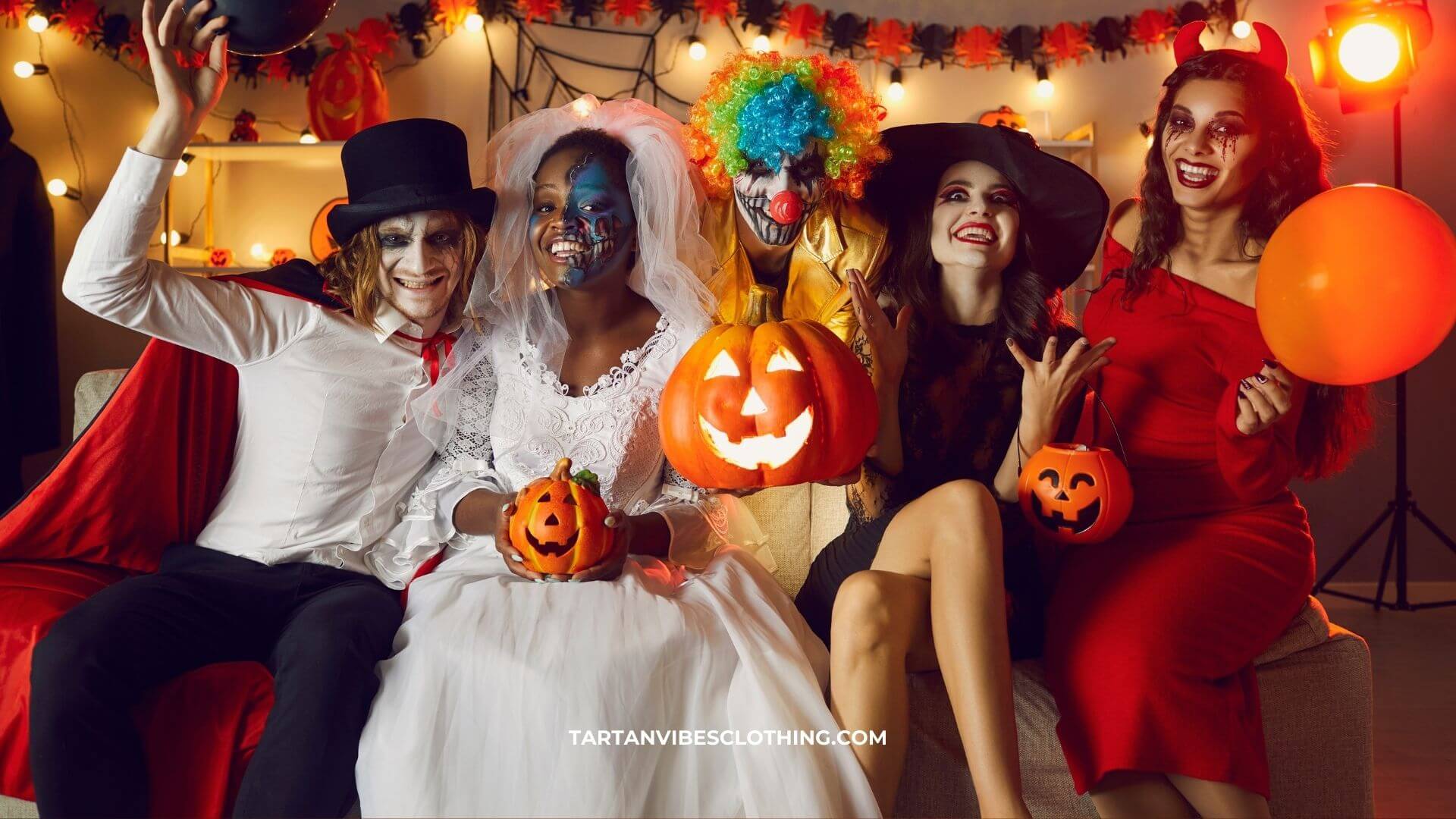
Halloween wouldn’t be what it is today without costumes. Did you know this tradition started as guising during Samhain? People disguised themselves to blend in with spirits and avoid harm.
Over centuries, this evolved into the playful and creative costumes we know today. From spooky masks to superhero suits, dressing up lets us transform into anything — if only for a night. It’s one of Halloween’s most beloved traditions, seen everywhere from door-to-door trick-or-treating to community events like Trunk-or-Treating, where families decorate car trunks and hand out candy in style.
Whether you’re haunting porches or hopping between ghostly SUVs, Halloween costumes are about more than just play; they celebrate imagination, identity, and a little mischief too.
Treats and Halloween Foods
What’s Halloween without sweet rewards? While costumes allow us to transform, treats bring joy and comfort to the celebration.
32. Candy
33. Soul Cakes
Long before candy, people baked small round cakes in exchange for prayers for the dead. This tradition laid the groundwork for trick-or-treating.
They were often marked with a cross and flavored with spices or currants — a sweet offering to honor ancestors during All Hallows’ Eve.

34. Candy Corn
Love it or hate it, candy corn is a Halloween staple in the U.S., with its iconic tri-colored design.
But did you know this sugary triangle has been around since the 1880s? Originally called “Chicken Feed” (yes, really!), it was marketed as a seasonal treat for farmers.

35. Toffee Apples and Candy Apples
36. Barmbrack

37. Colcannon
Colcannon is an Irish dish of mashed potatoes mixed with cabbage or kale, sometimes hiding small trinkets inside. It carried festive spirit and fortune-telling fun, making it a seasonal Halloween food with cultural roots.

38. Apples
39. Pumpkin Foods
40. Mummy Hotdogs
A playful modern twist on Halloween food, mummy hotdogs wrap sausages in dough to mimic ancient mummies. They’re fun, kid-friendly, and show how classic Halloween monsters inspire creative treats. While not traditional, they’ve become a popular party symbol of the holiday.

Conclusion
From ancient bonfires to modern candy bags, Halloween symbols have evolved with us through time. They echo Celtic rituals, carry whispers of folklore, and shine with today’s playful imagination.
So the next time you pull on a Celtic-inspired T-shirt, a hoodie with ancient motifs, or any outfit that blends modern flair with heritage, remember — you’re not just dressing up for fun. You’re carrying forward centuries of tradition, blending ancient guising and myth with today’s creativity. And that’s the true magic of Halloween.
Frequently Asked Questions
1. What are some of the symbols of Halloween?
Common Halloween symbols include jack-o’-lanterns, witches, black cats, ghosts, skeletons, bats, and spiders. These icons represent themes of death, mystery, magic, and the supernatural.
What is a cool quote for Halloween?
A popular Halloween quote is: “When black cats prowl and pumpkins gleam, may luck be yours on Halloween”. It captures the spooky yet playful spirit of the holiday.
3. Which animal is the symbol of Halloween?
Bats are the animal most closely associated with Halloween. Their nocturnal habits, linked to darkness, and ties to vampire legends make them enduring symbols of the holiday season.
4. What is the symbolism behind Halloween?
Halloween symbolizes the connection between life and death, rooted in the Celtic festival of Samhain. It represents the thinning veil between worlds, blending ancient rituals with modern fun.
5. What is the most popular Halloween symbol?
The carved pumpkin, or jack-o’-lantern, is the most popular Halloween symbol. Originating in Ireland with carved turnips, it became iconic when pumpkins were adopted in America.

Teresa Finn
As someone with a deep passion for clan heritage, especially the intriguing world of tartans and their rich traditions, I'm here to be your companion on this exciting journey. Together, we'll delve into the depths of clan history, uncovering the stories behind these vibrant tartans and making every connection to your heritage more meaningful.


