


Table of Content
Burns Supper is one of Scotland's most cherished cultural traditions, celebrated each year to honor the life and legacy of national poet Robert Burns. More than just a formal meal, a Burns Supper brings together poetry, music, storytelling, and shared heritage in ways that reflect Scottish identity and pride. In this article, you'll discover what a Burns Supper truly is, how it began, and why it continues to matter so deeply in Scotland and far beyond its borders today.
I. What Is a Burns Supper
A Burns supper honors the life and works of the poet Robert Burns (January 25, 1759 – July 21, 1796), who created numerous poems in Scots. These gatherings typically take place on or around his birthday, January 25, which is Burns Night, also known as Robert Burns Day or Rabbie Burns Day (or Robbie Burns Day in Canada). Occasionally, events are celebrated at different times throughout the year. Burns suppers occur globally.

II. The Origins of Burns Supper
The Burns Supper tradition began in the early 19th century as a heartfelt tribute to Scotland's beloved national poet, Robert Burns. After Burns died in 1796, a small group of his close friends gathered at Burns Cottage in Alloway, Ayrshire, to honor his legacy. The very first supper was held on July 21, 1801, marking the fifth anniversary of his death. At that informal dinner, nine companions enjoyed haggis, recited Burns's poetry, and toasted his memory — laying the foundation for what would become a lasting cultural celebration.

Encouraged by the success of this initial gathering, the tradition evolved the following year. In January 1802, members of the newly formed Burns Club in Greenock held the first supper timed to what they believed was Burns's birthday. By 1803, parish records confirmed his birth date as January 25, 1759, establishing this day as the annual occasion for Burns Night celebrations around the world.
Over the next two centuries, the custom spread beyond Scotland, becoming a global phenomenon wherever Scottish communities and admirers of Burns's work gather. Today, Burns Suppers are celebrated in formal and informal settings alike, uniting people through traditional Scottish food, whisky, poetry, and music in homage to the bard's enduring cultural impact.
III. Why Burns Supper Matters in Scotland
The Robert Burns Supper is significant in Scotland because it represents national identity and pride, beyond being just an annual meal. It highlights Scotland's cultural heritage by gathering people through traditional customs and meaningful toasts, emphasizing values such as hospitality, storytelling, and community that have endured for over two centuries.
Additionally, Burns Suppers help preserve the Scots language and literary history. The works of Burns played a key role in promoting Scots poetry and maintaining the country's linguistic legacy.
Furthermore, these celebrations enhance Scotland's cultural economy and international reputation. Burns Night events draw both locals and tourists, benefiting the tourism, food, arts, and hospitality industries in January. Some scholars suggest that Burns Suppers also unify Scottish communities and their global diaspora.
IV. When Is Burns' Supper Celebrated
Burns' supper is traditionally celebrated on January 25, the birthday of Robert Burns, Scotland's national poet. This date has been observed since 1802, after Burns's friends confirmed his birth records and decided to honour him annually on his birthday rather than the anniversary of his death.

In practice, Burns Suppers are often held on or around January 25, especially when the date falls midweek. Many schools, community groups, and organisations choose the nearest weekend to make the celebration more accessible.
V. Traditional Burns Supper Order of Events
1. The Selkirk Grace
The evening traditionally begins with The Selkirk Grace, a short thanksgiving attributed to Robert Burns. Said before the meal, it expresses gratitude for food and fellowship and is usually recited in Scots. Despite its simplicity, the Selkirk Grace sets a respectful, communal tone for the supper and is one of the most widely recognised parts of the event.

2. Address to a Haggis
The Address to a Haggis is the ceremonial highlight of the Burns Supper. Written by Robert Burns in 1786, the poem is recited as the haggis is dramatically piped into the room on a silver platter, often accompanied by bagpipes.
At key moments in the poem, the haggis is cut open, symbolising pride in traditional Scottish food and culture. This ritual celebrates Burns's humour, language, and deep connection to everyday Scottish life.

3. Immortal Memory Speech
VI. Traditional Burns Supper Menu
1. Starter Dishes
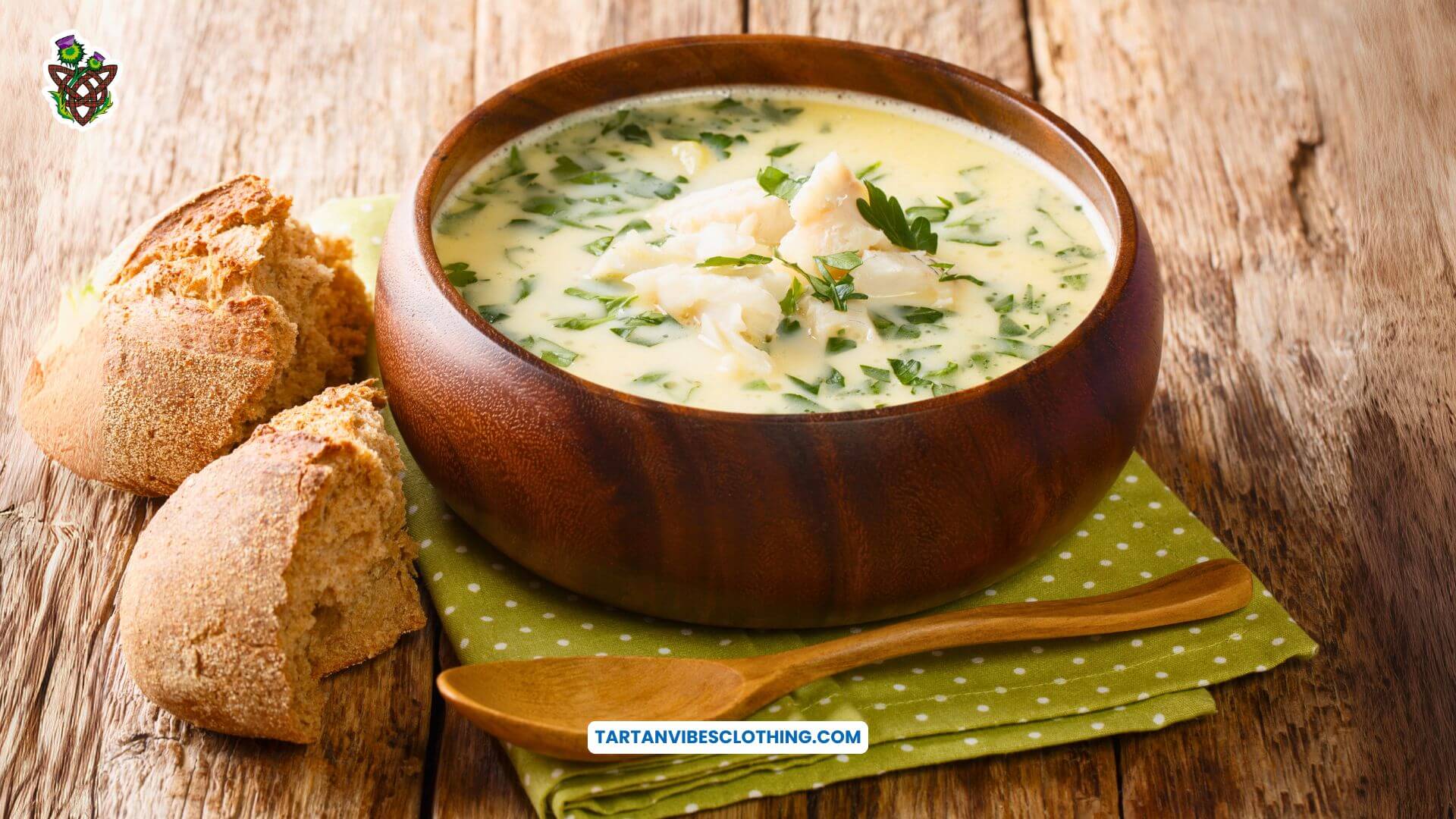
A traditional Burns Supper menu typically begins with a warm and hearty starter to welcome guests and prepare their palates for the feast ahead. Classic Scottish soups such as Scotch broth, Cullen skink (a creamy smoked haddock soup), or cock-a-leekie soup (chicken, leek, and rice) are common choices that reflect authentic Scottish culinary roots. These soups are rich, comforting, and steeped in tradition, offering a taste of Scotland's food heritage before the main event.
2. Main Course Traditions
The centerpiece of any Burns Supper is the iconic haggis, Scotland's national dish celebrated in Robert Burns's famous poem "Address to a Haggis." Traditionally served with neeps and tatties — mashed turnips (neeps) and mashed potatoes (tatties) — this robust, savory main course embodies the spirit of Scottish comfort food.

Some hosts also include variations such as Balmoral chicken (chicken stuffed with haggis and whisky sauce) or vegetarian haggis alternatives to accommodate different tastes. Accompanying these dishes, a whisky sauce or a dram of Scotch whisky often enhances the flavors.
3. Desserts and Drinks
To conclude the meal, traditional Scottish desserts offer a sweet finale. Cranachan, a creamy blend of oats, raspberries, cream, and whisky, and clootie dumpling, a spiced boiled fruit pudding, are often served to celebrate Scotland's culinary heritage. A Scottish cheeseboard with oatcakes or shortbread may follow, paired with a fine malt whisky — affectionately known as the "water of life" — for toasts and convivial conversation.

Drinks at supper are commonly Scotch whisky, wine, beer, or soft beverages, with whisky remaining the most symbolic choice of the evening.
VII. Scottish Poetry and Music at Burns Supper
1. Famous Burns Poems Recited
Poetry lies at the heart of every Burns Supper, celebrating the literary genius of Robert Burns, Scotland's national bard. During the supper, guests often hear recitations of Burns's most treasured works, which reflect themes of love, life, and Scottish identity.
Popular poems include "Address to a Haggis," traditionally delivered with theatrical flair as the haggis is presented, as well as "Auld Lang Syne," "To a Mouse," "Tam O'Shanter," "A Red, Red Rose," and "A Man's a Man for A' That." These selections bring the Scots language and classic verse to life, reinforcing the emotional and cultural resonance of Burns's writings.
2. Traditional Scottish Songs
Music is another vital part of the Burns Supper experience, blending traditional Scottish melodies with Burns's own lyrical compositions. Many of Burns's poems were initially set to folk tunes, creating songs still sung today, such as "Scots Wha Hae" — a stirring patriotic song based on historical themes — and "Highland Laddie," which celebrates Scottish heritage.
In addition to Burns's song-poems, gatherings often feature traditional Scottish folk music, including bagpipes, ballads, and ceilidh tunes, bringing warmth, rhythm, and communal spirit to the evening's festivities. The night commonly concludes with everyone joining hands to sing "Auld Lang Syne," reinforcing bonds of friendship and shared tradition.
VIII. Burns Supper Etiquette and Dress
1. Etiquette
Burns Suppers are rooted in centuries-old tradition, blending conviviality with structured ceremony. Guests are expected to arrive on time, participate respectfully in the evening's activities, and contribute to the celebration when invited — whether by reciting a poem, offering a toast, or joining in song. Active participation reflects the communal spirit that has defined Burns Night since its earliest gatherings.

Formal suppers often follow a set order of events and may include speeches, humorous toasts such as the Toast to the Lassies and the Reply from the Lassies, and collective renditions of Burns's songs. Politeness toward the host and fellow guests is key: take cues from the host on seating, toasting, and when to start the meal. Traditional Scottish customs — like standing for the Address to a Haggis or raising a glass for the Immortal Memory speech — add gravitas to the night and honor the legacy of Robert Burns.
2. Dress
Dress code at a Burns Supper can range from smart casual with tartan accents to full Highland dress, depending on the event's formality. Formal suppers often encourage attendees to wear Highland dress, which includes trews or a tartan kilt for men, paired with accessories like a sporran and kilt hose, and a skirt or a matching tartan sash for women. Women may also opt for tartan dresses, shawls, or sashes to reflect Scottish heritage.

Even at less formal celebrations, incorporating tartan — whether through a tie, scarf, brooch, or pocket square — is considered good etiquette and shows respect for the tradition.
IX. Common Myths About Burns Supper
Myth 1: Burns Suppers Are Solely Formal and Rigid
Myth 2: Haggis Is the Only Acceptable Food
Myth 3: Only Scots Can Celebrate Burns Supper
Myth 4: All Traditional Elements Were Created by Robert Burns
Conclusion
Frequently Asked Questions
What is a Burns supper?
The Burns Supper is a significant event in Scottish culture: an evening dedicated to honoring the life and contributions of the national poet. These gatherings can vary from casual meet-ups among friends to grand, formal Robert Burns dinners filled with ceremony and tradition.
Why is haggis important at a Burns Supper?
Haggis is central because Burns wrote a famous poem praising it, making it symbolic of Scottish culture.
Is Burns' Supper only celebrated on January 25?
While Burns Night officially falls on January 25, many Burns Suppers are held on nearby dates, especially weekends, to allow more people to attend.
How long does a traditional Burns Supper last?
A Burns Supper usually lasts between two and four hours, depending on the number of speeches, poetry readings, and musical performances included in the program.

Aimee Li
An author dedicated to exploring the rich history, vibrant culture,... of the Scottish clans. As an avid historian and fashion enthusiast, I have always been fascinated by Scotland's heritage and the timeless elegance of its traditional attire. Join me on this journey through the highlands and lowlands, as we delve into the heart of Scottish legacy together.


