



American Scots and Scottish Natives: What’s the Difference?
by Aimee Li on Apr 24, 2025
Table of Content
What is the difference between American Scots and Scottish Natives? This question often arises in conversations about identity, culture, and heritage. While both groups share a connection to Scotland, their experiences, traditions, and cultural expressions can be surprisingly distinct. In this blog, we’ll examine the subtle and striking contrasts that define these two groups, exploring how history, geography, and tradition come together to create unique identities within a shared lineage.
I. American Scots and Scottish: A Comprehensive Comparison
Understanding the difference between American Scottish and Scottish people is essential for anyone exploring cultural identity, ancestral heritage, or the evolution of national pride.
Key Differences |
American Scots |
Scottish Natives |
Definition |
Americans with Scottish ancestry or heritage |
People born and raised in Scotland |
Historical origin |
Descendants of Scottish immigrants (mainly 1700s–1900s) |
Deep roots in Scotland’s land, culture, and history |
Citizenship |
Primarily U.S. citizens |
Citizens of Scotland (part of the UK) |
Language & Accent |
Speak American English, no Scottish accent |
Speak with Scottish accents; some also speak Scots or Gaelic |
Clothing and Symbols |
Wear kilts and tartans for special events or pride |
Use tartans and clan symbols in daily or formal settings |
Religion and Beliefs |
Often Christian, with American cultural influence |
Traditionally Presbyterian; beliefs vary with modern Scottish life |
Education and Knowledge of Ancestry |
Knowledge of Scotland often comes from family word of mouth or self-study |
Be taught about Scottish history, language, and culture from the mainstream education curriculum. |
II. Conceptual Difference Between American Scots and Scottish
Understanding the conceptual difference between American Scots and Scottish Natives is key to exploring how identity, heritage, and culture evolve across borders.
1. Who are the American Scots?

2. Who are Scottish Natives?

Scottish natives are individuals who were born and raised in Scotland and embody the nation’s historical, cultural, and linguistic traditions. They represent the country's original inhabitants, directly connected to Scotland's rich heritage, language, and way of life. Scottish natives often hold a strong national identity that includes a sense of belonging and community rooted in their local customs.
👀 Curious about what Scottish people actually look like? Read our article What Do Scottish People Look Like to find out more.
III. American Scots and Scottish Natives: Historical Origin
Though both groups share Scottish roots, Scottish Natives remained in Scotland, while American Scots formed distinct identities through migration and life in a new country. Time and geography shaped their cultural differences.
1. American Scots

Scottish migration to America began in the early 17th century and grew significantly due to economic struggles, religious persecution, and political unrest. Two key events that accelerated emigration were the Jacobite rebellions (1715 and 1745) and the Highland Clearances in the late 1700s.
These hardships forced many Scots from their homes and drove them to seek new beginnings in the New World. Many settled in regions such as the Appalachians, New York, and the Midwest, where they built strong communities rooted in shared culture.
2. Scottish Natives
The roots of the Scottish people lie in the early medieval fusion of two Celtic groups: the Picts and the Gaels. The Picts lived in northeastern Scotland and were known for resisting Roman rule. Meanwhile, the Gaels came from Ireland and founded the kingdom of Dál Riata in western Scotland during the 5th century.
In 843 CE, Kenneth MacAlpin united these two groups, forming the Kingdom of Alba—the foundation of modern Scotland. This unification blended Pictish and Gaelic traditions, giving rise to a unique Scottish identity.
Over time, the kingdom expanded to include the Britons of Strathclyde and Anglo-Saxons in Lothian, adding to the cultural mix. These layers of history shaped the rich and diverse heritage of the Scottish people we recognize today.

IV. American Scots and Scottish: Cultural Differences
1. Language and Accent
American Scots: Most American Scots speak Standard American English, which is influenced by local accents like Southern or Midwestern. While their daily speech is fully American, some Scottish phrases still appear during cultural events such as Highland Games or Burns Night.
Scottish Natives: Scottish natives speak Scottish English, shaped by both the Scots language and Scottish Gaelic. While Scots is used in many regions, Gaelic—though spoken by fewer people—is officially recognized and actively preserved. Accents vary widely, with distinct dialects like Glaswegian, Highland, and Edinburgh, all featuring unique sounds and rhythm unlike American English.
2. Clothing and Symbols
American Scots: American Scots typically wear standard American styles. While they may not wear traditional Scottish attire daily, many honor their heritage during cultural events by donning kilts and incorporating tartan patterns. Symbols like thistles and clan crests appear in accessories, tattoos, or home décor as subtle tributes to their roots.

Scottish Natives: Scottish natives often wear Highland dress, featuring the kilt in clan-specific tartan patterns. Key accessories include the sporran (a front pouch) and the sgian-dubh (a small knife worn in the sock). Symbols like the thistle and unicorn remain strong elements of Scottish identity and heritage in traditional attire.

3. Festivals and Celebrations

American Scots: American Scots celebrate their heritage through national events like Scottish-American Heritage Month (April) and National Tartan Day (April 6), which honor Scottish contributions with parades and festivals. Highland Games are also widely held across the U.S., featuring Scottish traditional sports, music, and dance rooted in Scottish culture.
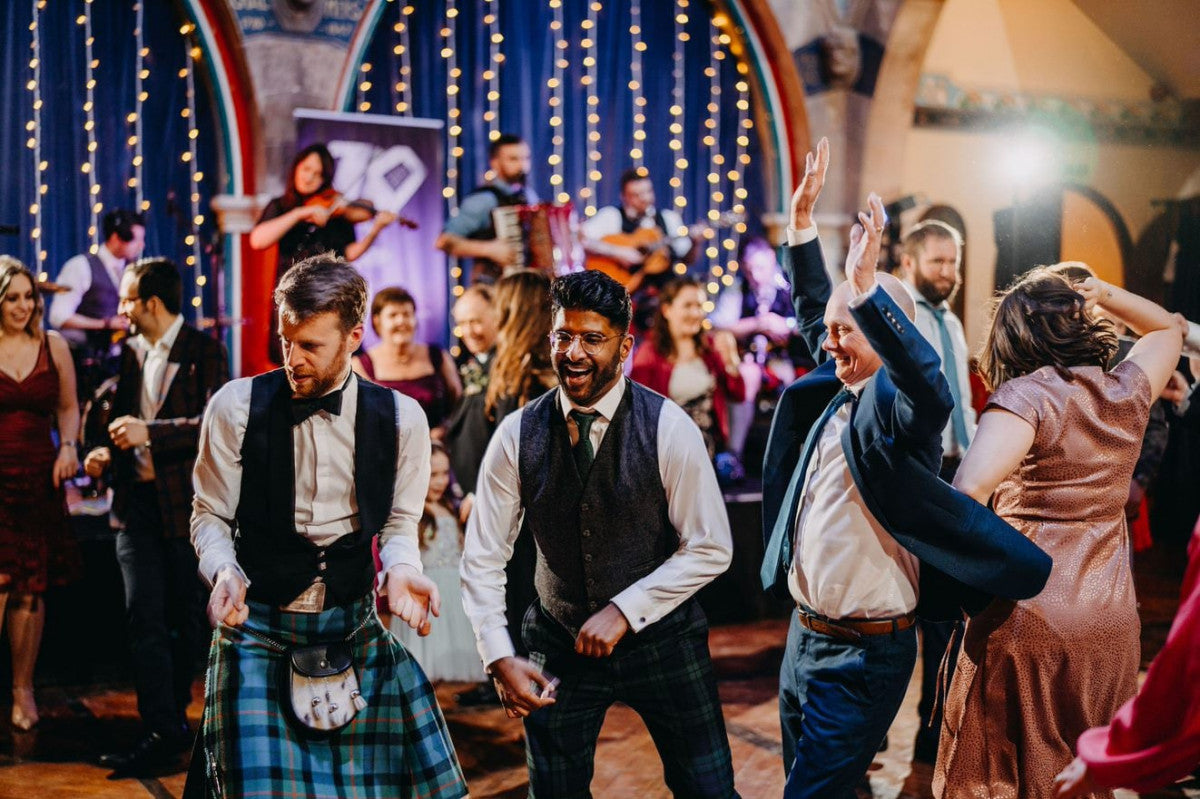
Scottish Natives: Scottish natives take pride in vibrant festivals that reflect their rich heritage. Key celebrations include:
Burns Night (Jan 25): Honoring poet Robert Burns with haggis, poetry, and music.
Hogmanay: The Scottish New Year, known for torchlight processions and fireworks.
Royal National Mòd: A Gaelic festival with music, dance, and literary competitions.
Up Helly Aa: A Viking-themed fire festival in Shetland.
Whuppity Scoorie: A spring tradition in Lanark where children run around the church swinging paper balls.
4. Cuisine
American Scots: American Scots have adapted their ancestral recipes and available ingredients to the American palate. While traditional dishes like haggis are celebrated during cultural events such as Burns Night, modifications are often made to comply with U.S. food regulations, such as substituting sheep lung with other ingredients.
Additionally, Scottish culinary influences can be seen in Southern U.S. cuisine, where techniques like deep-frying and the use of oats have been integrated into local dishes.
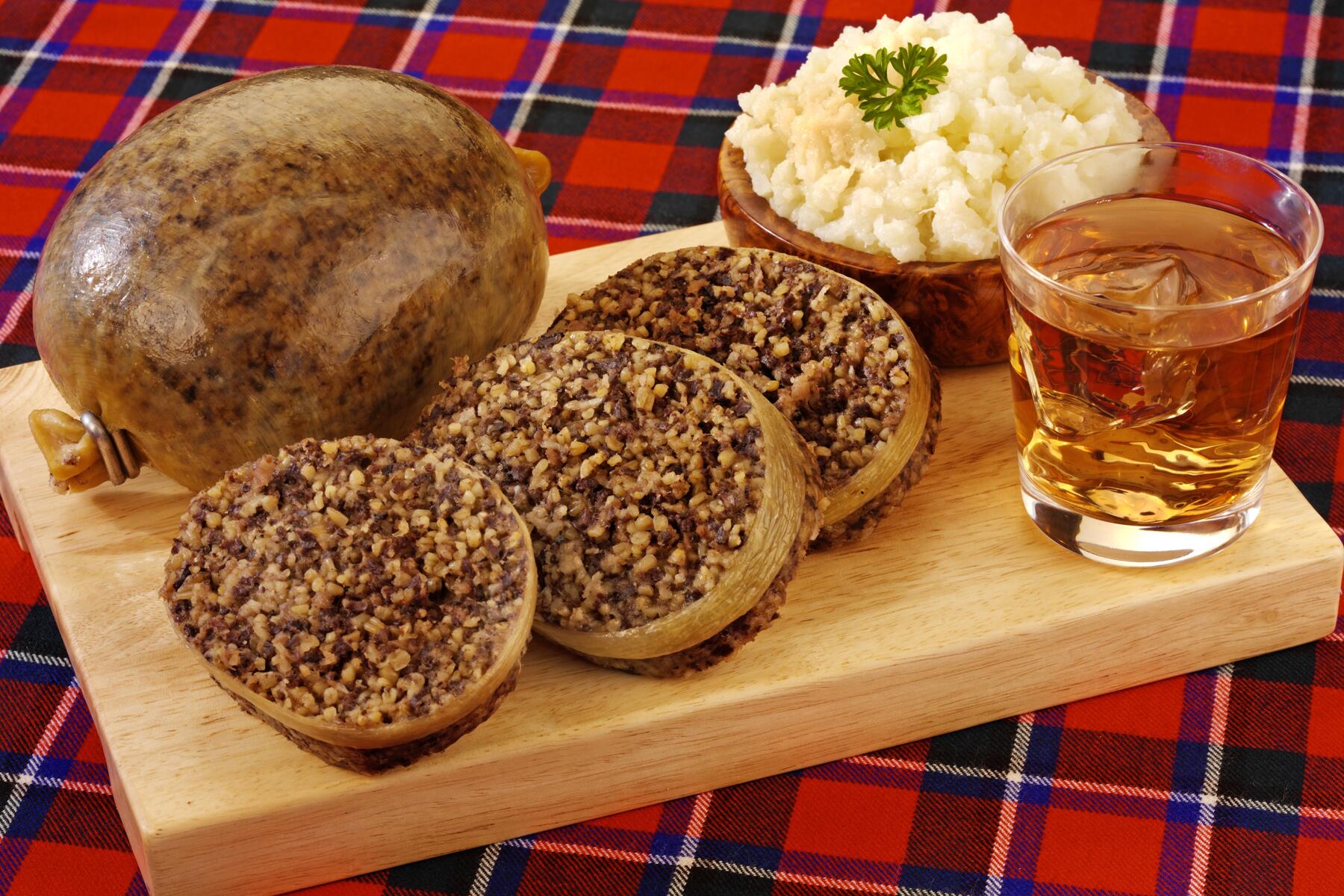
Scottish Natives: Scottish natives preserve a rich food culture built on local ingredients and time-honored recipes. Traditional Scottish dishes include:
Haggis – a savory blend of offal, oatmeal, and spices
Cullen skink – smoked haddock soup
Mince and tatties – minced beef with mashed potatoes
Shortbread and tablet – classic Scottish sweets
These dishes reflect Scotland’s deep-rooted culinary heritage, passed down through generations.
5. Religion and Beliefs
American Scots: American Scots have strong roots in Presbyterianism, reflecting their Scottish heritage. Over time, many have joined other Christian denominations such as Baptist, Methodist, and Catholic, showing how they’ve integrated into America’s diverse religious landscape.
Scottish Natives: As of the 2022 census, 51.1% of Scottish natives reported no religious affiliation, highlighting a shift toward secularism. Christianity remains the largest faith group, with 20.4% identifying with the Church of Scotland and 13.3% as Roman Catholic. Smaller communities of Muslims (2.2%), Hindus (0.6%), and Buddhists (0.3%) also reflect Scotland’s growing religious diversity.
6. Cultural Identity and National Belonging
American Scots: American Scots mostly identify as American, with Scottish roots viewed as a cultural heritage rather than a national identity. Their connection to Scotland is expressed through events like Tartan Day or the Highland Games, rather than through political or civic ties to Scotland.
Scottish Natives: Scottish natives often embrace a dual identity—as both Scots and UK citizens. Cultural pride is closely linked to national issues like Scottish independence and the protection of local institutions. This sense of belonging shows in everyday life, education, and strong regional pride.
Embracing the Scottish Identity - Wherever You Are!
Frequently Asked Questions
What are the primary differences between American Scots and Scottish natives?
American Scots are individuals of Scottish ancestry living in the United States, often influenced by American culture. In contrast, Scottish natives are the original inhabitants of Scotland, with a deep connection to their customs, language, and political issues specific to Scotland.
How do cultural celebrations differ between the two?
While both groups celebrate traditional Scottish events, American Scots often adapt these celebrations to fit the American context, incorporating local customs and practices. Scottish natives celebrate more rooted traditions without the adaptation that American Scots undergo.
Do American Scots celebrate Scottish traditions?
Yes, many American Scots celebrate traditions like Tartan Day, Highland Games, and Burns Night to honor their Scottish roots.
What language do Scottish Natives speak?
Scottish Natives typically speak Scottish English, with regional accents, and some use Scots or Scottish Gaelic in certain areas.

Aimee Li
An author dedicated to exploring the rich history, vibrant culture,... of the Scottish clans. As an avid historian and fashion enthusiast, I have always been fascinated by Scotland's heritage and the timeless elegance of its traditional attire. Join me on this journey through the highlands and lowlands, as we delve into the heart of Scottish legacy together.


