



Types of Plaid Patterns: How to Identify 10 Classic Plaid Styles
by Aimee Li on Jun 15, 2026
Table of Content
Types of plaid patterns are textile designs created by intersecting horizontal and vertical stripes to form distinctive checks and grids. The most recognizable styles include Tartan, Buffalo Check, Glen Plaid, Gingham, Houndstooth, Madras, Windowpane, and Tattersall—each with unique characteristics, origins, and uses.
Whether you're identifying a fabric, choosing the right pattern for an outfit, or simply exploring classic textile designs, this guide breaks down the most popular plaid styles, how they differ, and where each one is commonly used.
Plaid Pattern |
Best Known For |
Common Uses |
Tartan |
Scottish heritage and named setts |
Kilts, scarves, jackets |
Buffalo Check |
Large two-tone squares |
Flannel shirts, home décor |
Glen Plaid |
Classic tailoring |
Suits, blazers |
Prince of Wales |
Glen Plaid with an overcheck |
Business suits, outerwear |
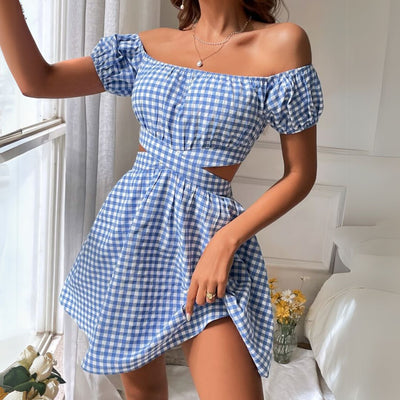
Gingham |
Small, even checks |
Shirts, dresses |
Houndstooth |
Broken geometric checks |
Coats, statement pieces |
Madras |
Bright lightweight cotton plaid |
Summer clothing |
Windowpane |
Thin minimalist grids |
Tailored suits, blazers |
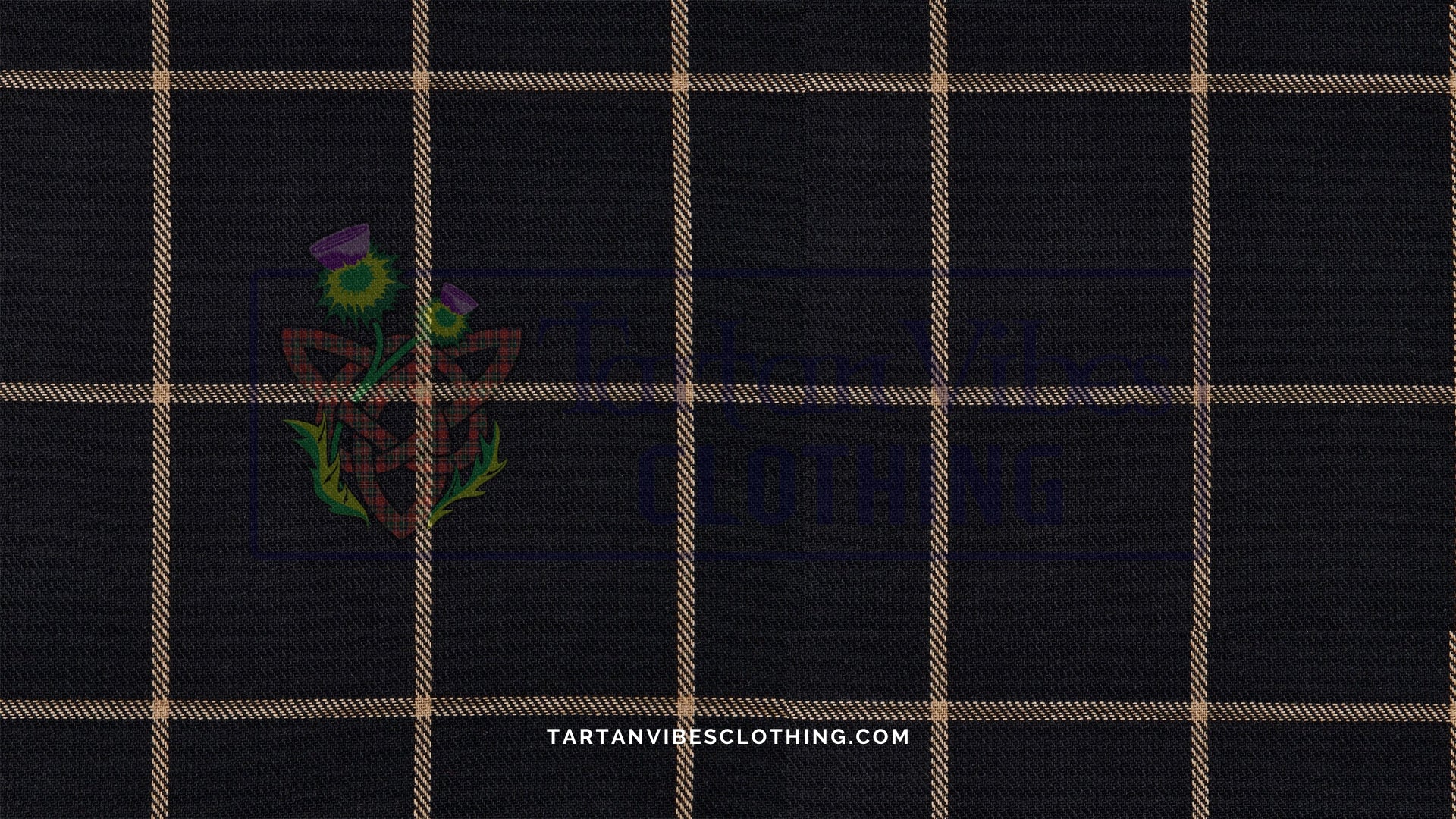
Tattersall |
Fine colored grid lines |
Dress shirts |
Shepherd's Check |
Small twill checks |
Smart-casual clothing |

What Are Plaid Patterns?
Plaid patterns are textile designs created by intersecting horizontal (warp) and vertical (weft) stripes to form repeating checks or grids. The arrangement of stripe widths, colors, and spacing creates distinctive patterns that make each plaid easily recognizable. While many plaid fabrics are traditionally woven in twill, modern versions can also be woven or printed on cotton, wool, polyester, flannel, and other textiles.
Key characteristics of plaid patterns include:
Intersecting horizontal and vertical stripes
Repeating check or grid-like layouts
Multiple colors or contrasting stripe combinations
Varying stripe widths and spacing
Available in both woven and printed fabrics
Commonly used in clothing, accessories, and home décor
Although the terms plaid, tartan, and check are often used interchangeably, they are not the same. Plaid is the broad category of intersecting stripe patterns, while tartan refers to a specific type of plaid defined by a named sett and closely associated with Scottish heritage. Traditional weaving techniques and the historical development of tartan textiles are documented by the National Museum of Scotland, which preserves one of the country's most significant collections of Scottish dress and textiles.

Plaid vs Tartan vs Check: What's the Difference?
Although plaid, tartan, and check are often used interchangeably, they describe distinct textile patterns.
Plaid is the broadest term, referring to designs made from intersecting horizontal and vertical stripes that create repeating checks or grids. Plaids can feature multiple colors, varying stripe widths, and either woven or printed constructions.
Tartan is a specific type of plaid defined by a named sett—a repeating arrangement of colored stripes traditionally associated with Scottish clans, regions, regiments, or organizations. Authentic tartans follow a fixed pattern and are closely linked to Scotland's textile heritage.
Check is a broader category of simple geometric patterns formed by evenly spaced vertical and horizontal lines. Unlike many plaids, check patterns typically use one or two colors and create uniform squares. Popular examples include Gingham, Buffalo Check, and Windowpane.
The table below highlights the key differences:
Pattern |
Definition |
Key Characteristics |
Common Examples |
Plaid |
A general category of intersecting stripe patterns |
Multiple colors, varying stripe widths, woven or printed |
Tartan, Madras, Glen Plaid |
Tartan |
A specific type of plaid with a registered or named sett |
Symmetrical repeating design linked to Scottish heritage |
Black Watch, Royal Stewart, MacLeod |
Check |
Simple intersecting lines forming even squares |
Usually one or two colors with a regular grid |
Gingham, Buffalo Check, Windowpane |
Understanding these distinctions makes it much easier to identify different plaid patterns and choose the right fabric for clothing, tailoring, or home décor.
👉 Read our complete guide to Plaid vs. Tartan to explore their historical and structural differences.

How Are Plaid Patterns Classified?
Plaid patterns can be grouped into several categories based on their design structure, historical background, and visual characteristics. While every plaid features intersecting horizontal and vertical lines, differences in stripe width, color combinations, symmetry, and weaving techniques create distinct pattern families.
The most common classifications include:
Traditional & Heritage Plaids – Rich in history and cultural significance, these patterns often feature complex stripe arrangements and are closely associated with Scottish textiles. Examples include Tartan, Glen Plaid, Prince of Wales, and Madras.
Classic Check Patterns – Recognized by their simple, bold geometric layouts, these designs are widely used casually and formally. Buffalo Check, Gingham, Houndstooth, and Shepherd's Check are among the best-known examples.
Grid & Minimalist Plaids – Defined by clean, evenly spaced lines, these patterns create a refined and understated appearance. Windowpane and Tattersall are popular choices for tailoring, dress shirts, and modern interiors.
Understanding these pattern families makes it easier to identify different plaid designs, compare similar styles, and choose the right pattern for clothing, accessories, or home décor.

Traditional & Heritage Plaids
Tartan
Tartan is the most iconic type of plaid pattern, recognized by its repeating arrangement of colored stripes known as a sett. Originating in the Scottish Highlands, each tartan traditionally represented a clan, district, regiment, or organization, giving the pattern both cultural and historical significance.
Many traditional and modern tartans are officially documented by the Scottish Register of Tartans, helping preserve their historical records and unique setts. Popular tartans include Royal Stewart, Black Watch, and MacLeod, each distinguished by its own unique color combination and stripe layout. Today, tartan remains a symbol of Scottish heritage and is widely used in kilts, scarves, jackets, blankets, and contemporary fashion.


Glen Plaid
Glen Plaid, also known as Glenurquhart Check, is a refined plaid pattern made from alternating large and small checks woven in muted colors such as black, grey, and white. Originating in Scotland during the 19th century, it became a hallmark of classic British tailoring thanks to its elegant, understated appearance. Today, Glen Plaid is commonly found in business suits, sport coats, and trousers, making it one of the most versatile patterns for formal and professional wear.


Prince of Wales


Madras
Madras is a lightweight cotton plaid that originated in Chennai (formerly Madras), India. Unlike traditional Scottish plaids, Madras is known for its bright colors, asymmetrical stripe layouts, and relaxed aesthetic. Its breathable fabric and vibrant appearance make it a favorite for warm-weather clothing, including short-sleeve shirts, shorts, dresses, and casual jackets. Today, Madras remains a signature pattern in preppy and summer fashion, offering a colorful alternative to more structured heritage plaids.


Classic Check Patterns
Buffalo Check


Gingham

Houndstooth


Shepherd's Check


Grid & Minimalist Plaids
Windowpane

Tattersall


How to Identify and Choose the Right Plaid Pattern
Quick Plaid Identification Guide
If you see... |
It's probably... |
Large two-tone squares |
Buffalo Check |
Small, evenly sized checks |
Gingham |
Broken geometric checks |
Houndstooth |
Thin lines forming large grids |
Windowpane |
Fine colored lines on a light background |
Tattersall |
Complex repeating stripes with Scottish heritage |
Tartan |
Muted overlapping checks for tailoring |
Glen Plaid |
Glen Plaid with a colored overcheck |
Prince of Wales |
Bright, colorful asymmetrical stripes |
Madras |
Small black-and-white twill checks |
Shepherd's Check |
Commonly Confused Plaid Patterns
Patterns |
Key Difference |
Plaid vs. Tartan |
Plaid is a broad category of intersecting stripe patterns, while tartan is a specific plaid defined by a named sett and Scottish heritage. |
Buffalo Check vs. Gingham |
Buffalo Check features large two-tone squares, whereas Gingham uses smaller, evenly sized checks for a cleaner appearance. |
Glen Plaid vs. Prince of Wales |
Prince of Wales is a Glen Plaid enhanced with an additional colored overcheck. |
Houndstooth vs. Shepherd's Check |
Houndstooth has broken, jagged shapes, while Shepherd's Check forms simple, even twill checks. |
Windowpane vs. Tattersall |
Windowpane uses a single-color open grid, whereas Tattersall combines two colored lines on a light background. |

Choosing the Right Plaid Pattern
The best plaid pattern depends on where and how you plan to use it. Some designs make a bold statement, while others offer a more refined, timeless appearance.
Purpose |
Recommended Pattern |
Business suits & blazers |
Glen Plaid, Prince of Wales |
Casual shirts |
Buffalo Check, Gingham |
Summer clothing |
Madras |
Traditional Scottish wear |
Tartan |
Smart-casual outfits |
Shepherd's Check |
Modern tailoring |
Windowpane |
Dress shirts |
Tattersall |
Home décor |
Buffalo Check, Windowpane, Tartan |
Whether you're selecting fabric for a tailored suit, updating your everyday wardrobe, or decorating your home, understanding each pattern's characteristics makes it easier to choose a design that matches your style and purpose.
Plaid Patterns in Modern Fashion
Plaid patterns have evolved from traditional textiles into timeless fashion staples worn across casual, business, and luxury styles. While some designs remain closely connected to Scottish heritage, many have been reinterpreted for contemporary wardrobes, making plaid one of the most versatile patterns in fashion today.
Different plaid patterns are commonly associated with different styles and occasions:
Business & formal wear: Glen Plaid, Prince of Wales, and Windowpane are widely used for suits, blazers, and tailored trousers.
Casual everyday outfits: Buffalo Check and Gingham are popular choices for flannel shirts, overshirts, and relaxed weekend looks.
Summer clothing: Madras adds lightweight comfort and vibrant color to shirts, shorts, and dresses.
Traditional Scottish wear: Tartan remains the signature pattern for kilts, scarves, jackets, and ceremonial attire.
Statement outerwear: Houndstooth is often featured in coats, blazers, and fashion accessories for a bold, sophisticated look.
Today, plaid patterns are no longer limited to menswear. Dresses, skirts, handbags, footwear, and seasonal collections frequently incorporate classic plaid designs, proving that these timeless patterns continue to adapt to changing fashion trends while retaining their distinctive character.

Plaid Patterns in Home Décor
Plaid patterns bring warmth, texture, and timeless character to home décor, making them a popular choice for both traditional and contemporary interiors. Their balanced geometric designs pair easily with solid colors, natural materials, and other subtle patterns.
Plaid patterns are commonly used in:
Living rooms: Throw blankets, cushions, upholstered furniture, and accent chairs.
Bedrooms: Blankets, bedding, decorative pillows, and bed runners.
Dining spaces: Table runners, placemats, napkins, and seasonal table linens.
Rustic & farmhouse interiors: Buffalo Check creates a cozy, cabin-inspired atmosphere.
Modern & minimalist spaces: Windowpane and Tattersall add clean lines and understated elegance.
Seasonal decorating: Tartan remains a timeless choice for holiday décor and winter styling.
Whether you're creating a cozy countryside aesthetic or a refined contemporary space, choosing the right plaid pattern can add visual depth, texture, and lasting style without overwhelming the room.

Conclusion
Understanding the different types of plaid patterns makes it easier to recognize their unique characteristics and choose the right design for clothing, tailoring, or home décor. From heritage styles like Tartan and Glen Plaid to classic checks such as Buffalo Check and Gingham, each pattern offers its own history, appearance, and practical use.
To learn more, explore our guides on tartan patterns, plaid vs. tartan, and authentic Scottish clothing for additional styling inspiration and heritage insights.
FAQs About Types of Plaid Patterns
Is plaid always made with more than two colors?
No. While many plaid patterns feature multiple colors, some designs use only two contrasting colors. Buffalo Check, for example, traditionally combines red and black, while Gingham typically uses white and one additional color. What defines plaid is the intersecting stripe structure, not the number of colors.
Which plaid pattern is best for formal clothing?
For business and formal wear, Glen Plaid, Prince of Wales, and Windowpane are the most popular choices. Their subtle geometric designs complement tailored suits and blazers without appearing overly bold, making them ideal for professional settings.
Can plaid patterns be worn year-round?
Yes. Different plaid patterns suit different seasons and occasions. Lightweight Madras is commonly worn during spring and summer, while Tartan, Buffalo Check, and Houndstooth are more frequently seen in fall and winter collections.
Are plaid and flannel the same thing?
No. Plaid refers to a pattern, while flannel refers to a soft woven fabric. A flannel shirt may feature a plaid design, but flannel can also be solid-colored, and plaid patterns can be printed or woven onto many other fabrics besides flannel.
Which plaid pattern is the easiest to recognize?
Buffalo Check is generally the easiest plaid pattern to identify because of its large, evenly sized two-tone squares. Other easily recognizable patterns include Gingham with its small, uniform checks, Houndstooth with its broken geometric shapes, and Tartan with its distinctive multicolored stripe patterns.

Aimee Li
An author dedicated to exploring the rich history, vibrant culture,... of the Scottish clans. As an avid historian and fashion enthusiast, I have always been fascinated by Scotland's heritage and the timeless elegance of its traditional attire. Join me on this journey through the highlands and lowlands, as we delve into the heart of Scottish legacy together.


great article!