



Black Watch Tartan: History, Meaning, and How to Wear It Without Getting It Wrong
by Teresa Finn on Apr 05, 2026
Table of Content
Black Watch Tartan is a dark green, navy, and black “Government Sett” originally worn by the 42nd Royal Highland Regiment—and yes, anyone can wear it. But wearing it well means understanding its military origins, what makes it authentic, and how to style it without looking outdated or fake.
It’s one of the few tartans that works just as well in traditional dress as it does in modern outfits. You’ll often see this black watch tartan plaid used in everything from classic kilts to modern jackets. That’s why it’s often called the most versatile Scottish plaid pattern in the world.
Still, most people get at least one thing wrong. Is it a clan tartan? Is it only for formal wear? Does quality really matter?
Let’s break it down clearly, so you know exactly what you’re wearing, and why it works.
What Is Black Watch Tartan? (Definition + Key Facts You Need to Know)
Black Watch tartan is a dark, military-origin plaid pattern, also known as the Government Sett, designed for the 42nd Royal Highland Regiment in the 18th century. Unlike clan tartans, it is open to everyone, with no family restrictions.
Here’s what defines it at a glance:
Origin: 1725 Highland Companies (Scotland)
Type: Government / military tartan
Weave: 2/2 twill (creates diagonal texture)
Colors: Dark green, navy blue, black
Purpose: Camouflage in Highland terrain
Status: Universal tartan (anyone can wear it)
What sets it apart isn’t how complex it looks, but how it was designed to work. The pattern was built for practical use, not decoration. Those deep tones weren’t chosen for style. They were chosen for their ability to blend into forests, hills, and shadowed landscapes.
That’s why Black Watch looks timeless today. It was never designed to stand out—it was designed to work.
And ironically, that’s exactly what makes it stand out now.

Can You Wear Black Watch Tartan? (Clear Rules & Etiquette Explained)
Yes, you can wear it. It’s classified as an open (universal) tartan, meaning it has no clan restrictions and doesn’t require Scottish ancestry.
But there’s one detail most people miss.
Quick Rule: What’s Allowed vs Not
✔ You CAN wear:
Kilts
Jackets, trousers (trews)
Scarves, ties, everyday accessories
❌ You SHOULD NOT wear:
The Black Watch cap badge (Sphinx)
The Red Hackle feather
Those are earned military insignia, not fashion items.
Why Is It Open to Everyone?
Black Watch isn’t tied to a single clan.
It comes from a military uniform, worn by soldiers from multiple Highland clans under British command.
That’s what makes it different from clan tartans.
Clan tartans represent family lineage
Black Watch represents service and function
So when you wear it today, you’re not claiming heritage. You’re wearing a piece of shared Scottish history.
The Real Etiquette (Simple but Important)
You don’t need to “earn” the tartan—but you should respect what it represents.
Wear the fabric. Skip the symbols.
That one rule keeps you on the right side of both tradition and modern style.
From 1725 to Today: The Real History Behind Black Watch
The Origins: Why Was Black Watch Created?
This tartan didn’t begin as a fashion statement. It was created for control, specifically, to help the British government manage the Highlands after unrest.
In 1725, independent Highland Companies were formed to patrol the region. By 1739, these units were reorganized into the 43rd Regiment, later renumbered as the 42nd Royal Highland Regiment, now known as the Black Watch.
This tartan became a defining part of the Black Watch uniform, reinforcing its identity as a Scottish military tartan.

Why Is the Tartan So Dark? (A Military Purpose)
The tartan they wore wasn’t decorative. Its dark green, navy, and black tones were chosen to blend into forests and rugged terrain.
This made it one of the earliest examples of functional military camouflage, long before modern combat uniforms existed.
The Jacobite Paradox (A Common Misunderstanding)

During the 1745 Jacobite Rising, wearing this tartan didn’t mark you as a rebel. It marked you as a government soldier.
That’s why many historical portrayals get it wrong. Black Watch was never a symbol of rebellion—it represented authority.
From Regiment to Global Symbol
Throughout the 18th and 19th centuries, the regiment expanded across the British Empire. As soldiers moved, the tartan spread with them.
Over time, the pattern moved beyond the military and became part of everyday identity. Today, it appears in everything from Highland dress to contemporary fashion.
What Are the Main Black Watch Tartan Variations?
Not all Black Watch tartan looks the same. While the pattern remains consistent, the color tone and finish can vary by version.
Here are the main variations you’ll come across:
Modern — The standard version. Deep, rich colors with strong contrast. This is what you’ll see most in retail today.
Ancient — Softer and lighter tones. Designed to mimic the look of natural vegetable dyes used in older fabrics.
Weathered — A faded, aged appearance. Colors look more muted, almost vintage, as if the fabric has been worn over time.
Dress — A variation that introduces lighter accents, sometimes with white elements. Typically used for more formal or decorative outfits.
If you’re unsure, start with Modern. It’s the most versatile and closest to what people expect when they think of Black Watch.
The other versions are more about style preference than tradition.


Where Is Black Watch Tartan Used Today?
The Black Watch pattern is used across both traditional and modern clothing. Its dark, balanced pattern makes it one of the most adaptable tartans.
You’ll commonly find it in:
Kilts and traditional Highland dress
T-shirts, polo shirts, trousers, and everyday clothing
Scarves, ties, and accessories
What makes it stand out is how easily it fits into modern outfits. Unlike brighter tartans, it doesn’t dominate the look, which makes it easier to wear in everyday settings.
This is why many modern Black Watch pieces are designed with simpler cuts and cleaner lines, allowing the pattern to stand out without overwhelming the outfit.


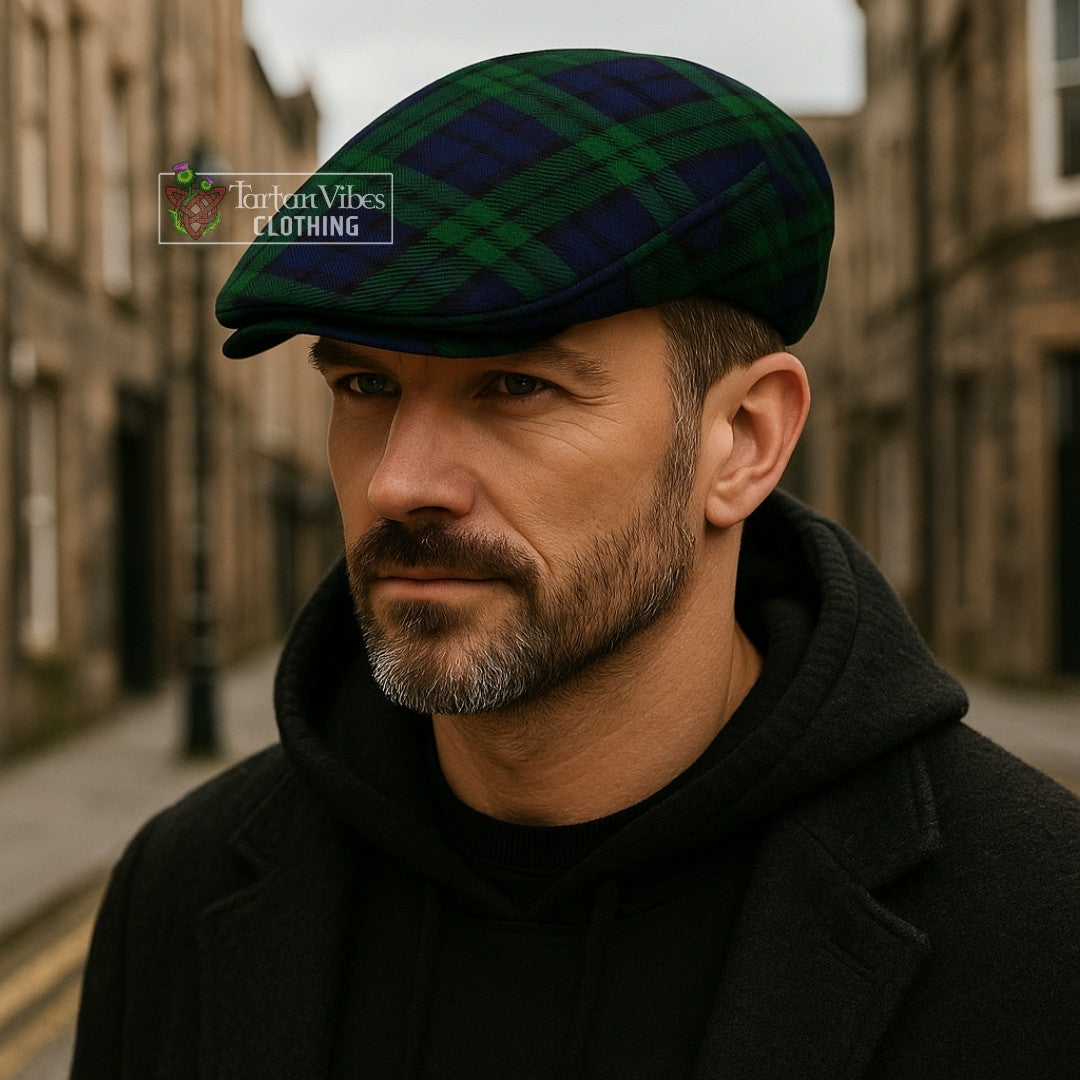
Why Is Black Watch Called the “Government Sett”?
Black Watch tartan—sometimes referred to as the tartan of the Black Watch—isn’t just another pattern. It’s what’s known as a Government Sett, a standardized design created for military use rather than clan identity.
It’s also sometimes referred to as the Black Watch Regiment tartan, reflecting its origins within the military unit itself.
This detail completely changes how you understand the tartan.
What Does “Government Sett” Actually Mean?
A “sett” is simply the pattern structure of a tartan—the way colors and lines repeat. In this case, the Black Watch sett was officially defined and regulated for uniform use by the British military.
That’s why it looks simpler than many clan tartans.
No complex color layering
No symbolic family variations
Just a clean, repeatable pattern designed for function
How It Became the “Parent” of Other Tartans
Here’s where Black Watch becomes even more important.
Many later tartans were built by adding thin lines (called overchecks) to this original pattern. Instead of designing from scratch, weavers modified the Government Sett to create new identities.
For example:
Mackenzie tartan → adds red and white overchecks
Gordon tartan → adds yellow lines
This is why Black Watch is often seen as the base pattern behind many other tartans.
Why This Still Matters Today
Most people assume every tartan represents a clan. Black Watch doesn’t.
It was designed for structure and function—not lineage. That’s exactly why it became one of the few tartans anyone can wear.
And it’s also why it works so well today. A pattern that wasn’t tied to identity is easier to adapt into modern style.
Common Mistakes When Wearing Black Watch Tartan
Black Watch is easy to wear—but small mistakes can quickly make it look outdated.
Here’s what to avoid.

Wearing Too Much Tartan
One piece is enough.
A kilt works best with a simple outfit.
A jacket should be paired with solid colors.
Too many tartan items at once make the outfit feel heavy and unfocused.
Choosing the Wrong Scale
Not all patterns are the same size.
Large sett patterns work best for kilts.
Smaller patterns are better suited for shirts or accessories.
If the pattern is too small, it loses its identity and looks generic.
Ignoring the Occasion
Black Watch is versatile—but context still matters.
Works well for formal and even somber settings
But it can feel too heavy for bright, casual summer outfits
Wearing the right tartan in the wrong setting throws off the entire look.
Mixing It with Other Tartans
This is a common mistake.
Even if the colors look similar, different tartans rarely match well together. Stick to one tartan per outfit.
Black Watch works best when it’s the focus. Keep everything else simple, and it will do the work for you.
Why Black Watch Tartan Still Matters
The Black Watch tartan has lasted this long because it was built for real use, not just appearance. Designed for the Highlands, it balanced function, durability, and subtlety in a way few patterns ever did.
That same balance is exactly why it still works today. It doesn’t rely on bold colors or strict rules, which is why it fits so easily into modern wardrobes.
More than anything, it’s one of the few tartans that carries Scottish military heritage without being restricted to it—making it both meaningful and wearable at the same time.
👉 Explore our Black Watch tartan collection and find a piece that brings that tradition into how you dress today.
Frequently Asked Questions
Who can wear Black Watch tartan?
Anyone can wear Black Watch tartan. It is an open (universal) tartan with no clan restrictions, making it suitable for people of any background or nationality.
What does Black Watch tartan represent?
Tartan Black Watch represents military heritage, loyalty, and discipline. Its dark tones reflect its origins as a functional uniform for the 42nd Royal Highland Regiment.
Is Black Watch tartan linked to a specific clan?
No, Black Watch is not tied to a single clan. It was originally worn by soldiers from multiple Highland clans serving in the same regiment.
Is Black Watch tartan Scottish or Irish?
Black Watch tartan is Scottish. It originated in the Highlands and is associated with the Royal Highland Regiment of Scotland.
Why is Black Watch tartan so popular?
It is popular because it is easy to wear, not restricted to any clan, and works well in both traditional and modern clothing.

Teresa Finn
As someone with a deep passion for clan heritage, especially the intriguing world of tartans and their rich traditions, I'm here to be your companion on this exciting journey. Together, we'll delve into the depths of clan history, uncovering the stories behind these vibrant tartans and making every connection to your heritage more meaningful.


