



The House of Stuart Family Tree: Highland Nobility and Historical Power
by Aimee Li on May 05, 2025
Table of Content
The House of Stuart shaped centuries of Scottish and British history, producing monarchs who ruled through times of triumph, turmoil, and transformation. From their rise as High Stewards to their reign over two crowns, the Stuart dynasty left a powerful legacy that still echoes today. This article explores the full House of Stuart family tree, their royal origins, key rulers, and lasting impact on the modern world.
I. The House of Stuart Family Tree
The House of Stuart stands as one of the most prominent and historically influential royal families in British history. Their roots stretch deep into the rugged highlands of Scotland, and their lineage intertwines with the crowns of both Scotland and England. The House of Stuart family tree is a rich tapestry woven from powerful monarchs, ambitious nobles, and complex political alliances. It tells the story of a dynasty that reigned during some of the most critical moments in British history, shaping the destiny of a nation across centuries.

From their early emergence in the medieval Scottish nobility to their rise as sovereign rulers of two kingdoms, the Stuarts demonstrated remarkable political savvy and resilience. Their family tree showcases an impressive array of monarchs, dukes, lords, and lairds, each contributing to the dynasty’s enduring legacy.
II. Origins of the House of Stuart
The origins of the House of Stuart can be traced back to the 11th century in Brittany, where Alan FitzFlaad, a Breton nobleman, served William the Conqueror. His descendants settled in Scotland, where Walter FitzAlan became the first High Steward of Scotland under King David I in the 12th century. The title "Steward" later evolved into "Stuart," and eventually "Stewart," before the family ultimately settled on the "Stuart" spelling when Mary, Queen of Scots, popularized the French version during her time in France.

The Stuarts' initial power base was firmly grounded in the highlands and lowlands of Scotland, where they controlled vast swathes of land and commanded significant military strength. By cultivating loyal clans and forging strategic marriages, they consolidated their influence, setting the stage for their eventual ascent to royal authority.
III. Royal Lineage and Kings of the House of Stuart
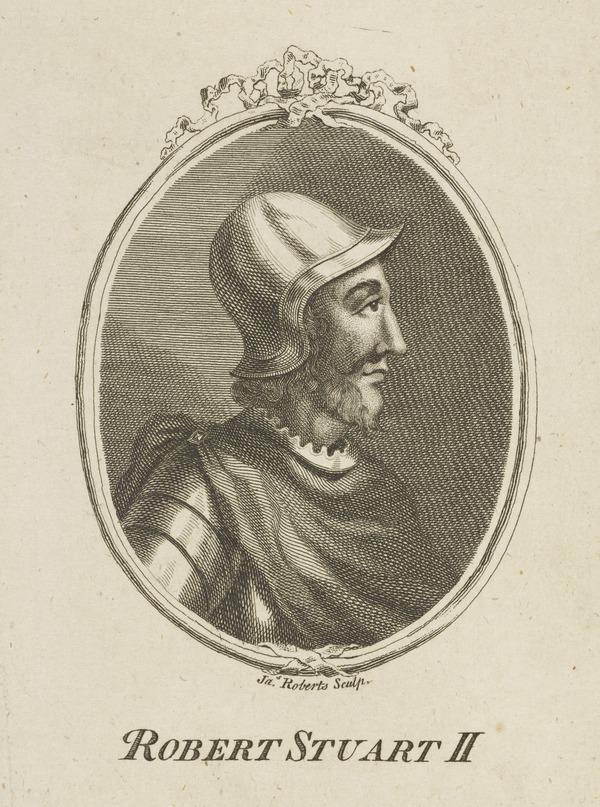
The royal lineage of the House of Stuart began with Robert II of Scotland, who ascended to the throne in 1371 after the death of David II, the last of the Bruce kings. Robert II was the grandson of Robert the Bruce through his mother, Marjorie Bruce, and his reign marked the start of a dynasty that would endure for centuries.
Following Robert II, the throne passed to his descendants:
Robert III (1390–1406), whose troubled reign was marred by internal strife and his own declining health.
James I (1406–1437), a reform-minded monarch known for his attempts to strengthen royal authority.
James II (1437–1460), during whose reign significant efforts were made to curb the power of the nobility.
James III (1460–1488) and James IV (1488–1513), with the latter achieving considerable success in centralizing power but ultimately dying at the Battle of Flodden.
- James V (1513–1542), who fought to maintain Scotland’s independence amid growing English influence.
Mary, Queen of Scots (1542–1567), whose tumultuous reign ended in her forced abdication and tragic execution.
James VI of Scotland and I of England (1567–1625), whose ascension to the English throne in 1603 initiated the Union of the Crowns.
The Stuarts ruled both Scotland and England, navigating complex political landscapes, religious conflicts, and wars of succession. Their rule continued through Charles I, the English Civil War, Charles II’s restoration, and the Glorious Revolution that deposed James II.
IV. Clan Feuds, Highland Conflicts & Political Marriages
The House of Stuart’s history is inseparable from the clan feuds and Highland conflicts that characterized medieval and early modern Scotland. The Stuarts relied heavily on strategic marriages to secure alliances and quell opposition. These unions often involved prominent Highland clans such as:

Political marriages served to strengthen the Stuarts' grip on power, binding them to influential noble families and expanding their territorial control. However, not all alliances proved stable. Feuds frequently erupted, particularly between powerful clans vying for dominance, dragging the Stuarts into bloody conflicts like the Battle of Harlaw and the Douglas Rebellions. The Stuarts' balancing act between consolidating royal power and managing clan loyalties defined much of their internal policy. Their ability to manipulate these relationships showcased their political prowess, but it also sowed the seeds of future instability, particularly during the civil wars and Jacobite uprisings.
V. Modern Legacy of the House of Stuart
The modern legacy of the House of Stuart is one of enduring fascination and cultural significance. Although their direct rule ended with the death of Queen Anne in 1714 and the accession of the House of Hanover, the Stuarts left an indelible mark on British and Scottish identity.

Today, the romantic image of the Stuarts persists in literature, film, and popular culture. The Jacobite cause, in particular, has inspired countless songs, novels, and historical reenactments, portraying the Stuarts as tragic heroes fighting against insurmountable odds. Landmarks across Scotland, such as Holyrood Palace and Stirling Castle, stand as enduring monuments to their reign.

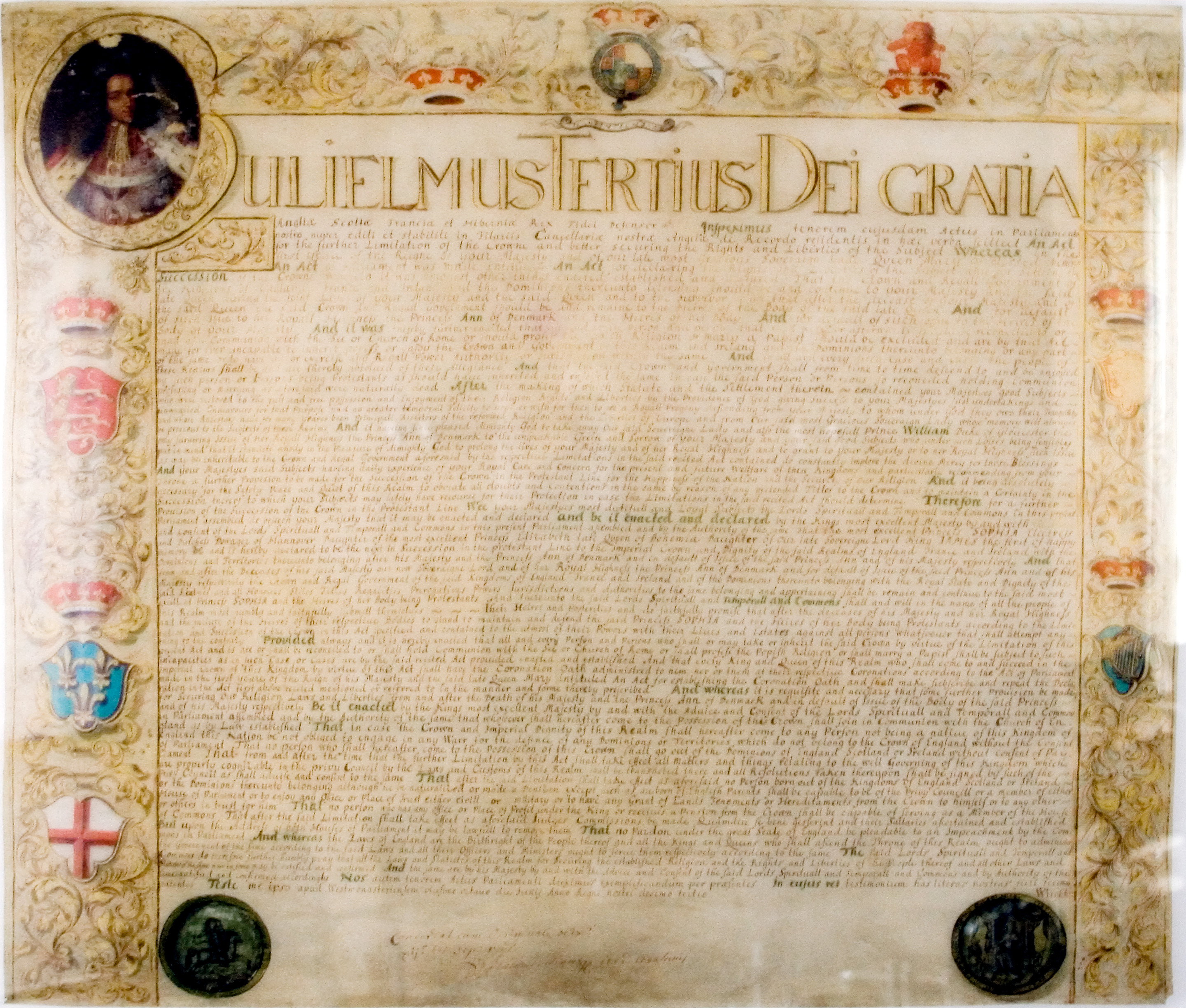
The House of Stuart also contributed to the shaping of the constitutional monarchy in Britain. Their tumultuous reigns, punctuated by civil war, regicide, and revolution, led directly to critical developments such as the Bill of Rights 1689 and the Act of Settlement 1701, which still influence the governance of the United Kingdom today.
The Stuart bloodline continues through various European royal families, their descendants quietly woven into the fabric of continental nobility. Though their days of ruling might be over, the spirit of the Stuarts remains very much alive—etched into the stones of Scottish castles, echoed in the ballads of the Highlands, and remembered in the annals of history.
Capture the legacy of the Stuart Clan
Celebrate your Highland heritage in style with curated pieces from Tartan Vibes Clothing, designed to carry the spirit of the Stuart Clan into your everyday life.
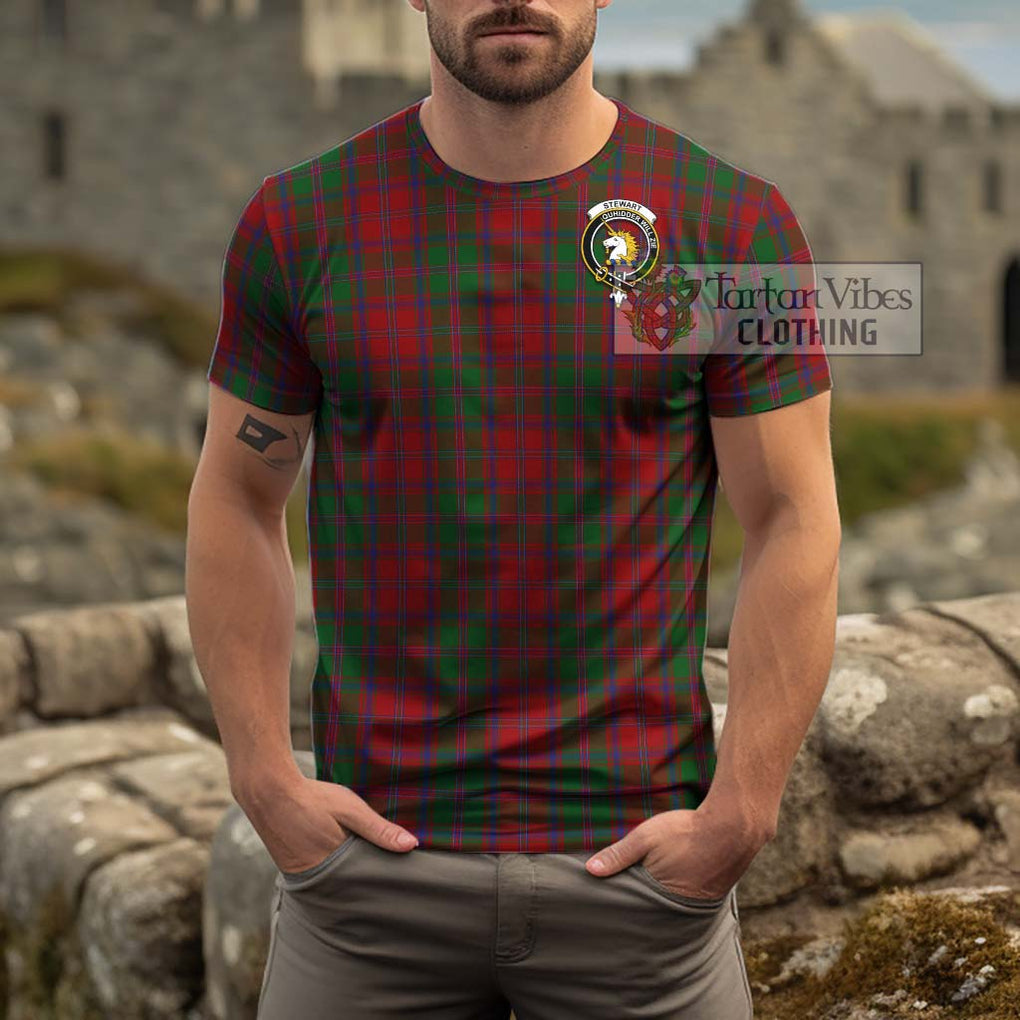
Stewart (Stuart) of Appin Clan T-Shirt
Embrace timeless heritage and everyday comfort with the Stewart (Stuart) of Appin Clan T-Shirt. Crafted from soft, preshrunk cotton, this breathable T-shirt efficiently wicks away moisture to keep you cool and dry. Perfect for casual outings, social events, or relaxed evenings, it pairs effortlessly with jeans, khakis, or joggers. Add a touch of Scottish charm to your wardrobe with this versatile and stylish piece.

Stewart (Stuart) Tartan Women's Casual Dresses
Add timeless charm to your everyday style with the Stewart (Stuart) Tartan Women's Casual Dress. This sleeveless dress combines effortless style with functionality, featuring a flattering knee-length cut, round neckline, and handy side pockets. Made from stretchy, flowy, and breathable fabric, it ensures lasting comfort while maintaining its shape without shrinking or pilling. Perfect for casual outings or special occasions, this tartan dress brings a unique, elegant touch to your wardrobe.


Stewart (Stuart) Tartan Cotton Hoodie
Stay comfortable and stylish with the Stewart (Stuart) Tartan Cotton Hoodie. Crafted from premium cotton, this hoodie offers a soft, breathable fit and excellent moisture-wicking performance to keep you dry and cool all day. Its durable fabric and timeless tartan design bring together tradition and modern style. Perfect for layering over a tee or pairing with jeans, this versatile hoodie is a must-have for everyday casual wear.


Stewart (Stuart) Tartan Waterproof Canvas Bag
Carry your essentials in style with the Stewart (Stuart) Tartan Waterproof Canvas Bag. Crafted from premium water-resistant canvas, this durable bag keeps your belongings safe in any weather. It features two interior pockets for easy organization and a secure zipper pocket for valuables. Perfect for everyday use, this tartan bag combines practicality, durability, and timeless Scottish charm.


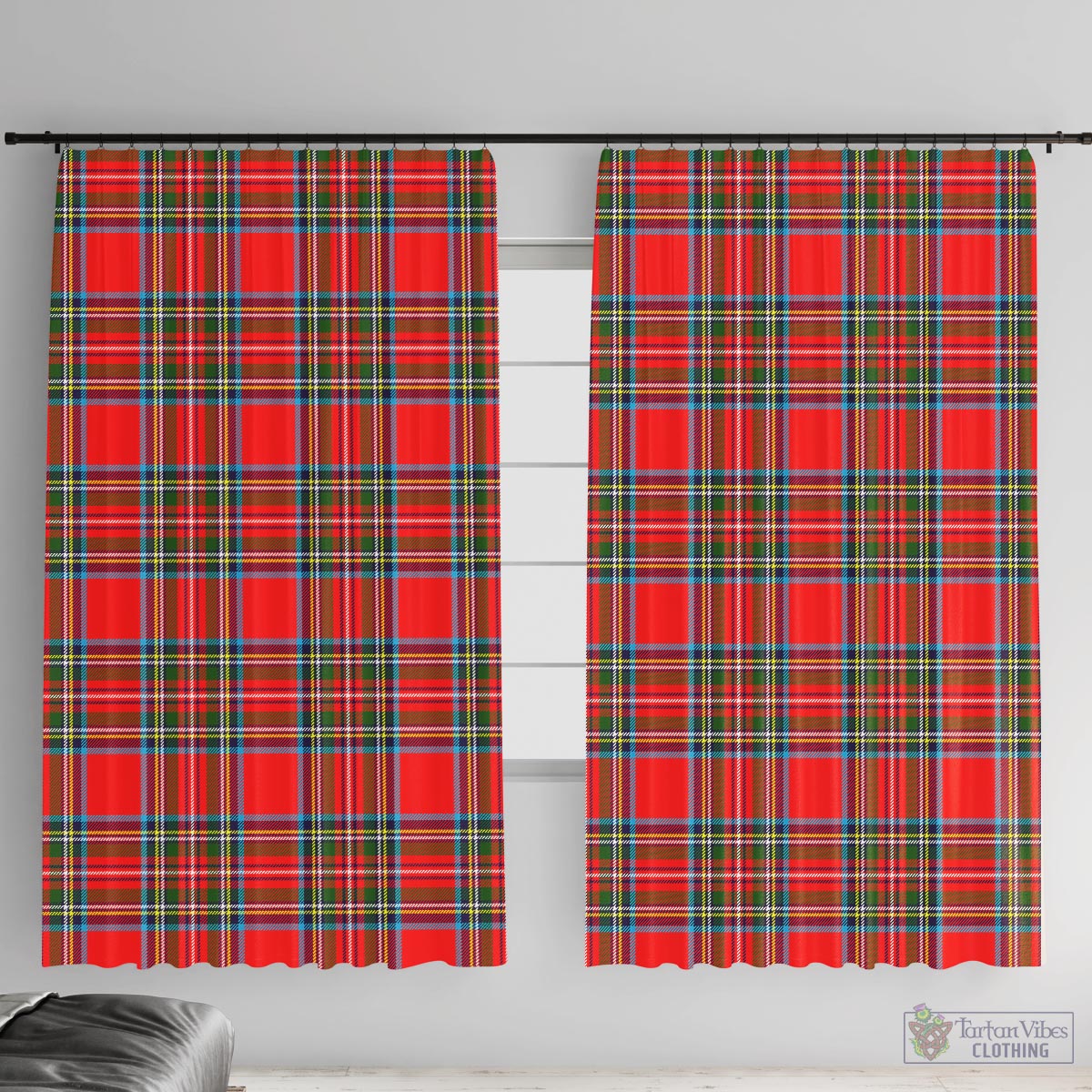
Stewart (Stuart) Tartan Window Curtain
Enhance your home décor with the Stewart (Stuart) Tartan Window Curtain. Crafted from premium waterproof polyester, this custom-made curtain set offers vivid, long-lasting colors and exceptional durability. Featuring two luxurious panels with gallery-quality printing, it adds timeless charm and personal style to any room. Perfect for elevating your space with a blend of sophistication and Scottish tradition.

Conclusion
The House of Stuart remains one of the most pivotal royal dynasties in British and Scottish history. From their early beginnings as High Stewards of Scotland to their reign over both Scotland and England, the Stuarts shaped the course of monarchy, governance, and national identity. Their story, filled with ambition, conflict, and resilience, continues to captivate historians and readers alike.
By tracing the family tree of the House of Stuarts, we gain a deeper understanding of how this powerful lineage influenced centuries of political evolution, cultural heritage, and constitutional development across the British Isles. The legacy of the Stuarts endures, echoing through castles, traditions, and the very foundations of the modern United Kingdom.
Frequently Asked Questions
What is the origin of the House of Stuart?
The House of Stuart originated from Brittany, France, before establishing itself in Scotland in the 12th century through Walter FitzAlan’s stewardship.
Which Stuart king united England and Scotland?
James VI of Scotland, who became James I of England, united the crowns in 1603, although the kingdoms remained legally distinct.
Are the Stuarts and Stewarts the same?
Yes, "Stewart" is the original spelling. "Stuart" is a French variation introduced by Mary, Queen of Scots.
Who was the most famous Stuart monarch?
That title probably goes to James VI and I, who united the Scottish and English crowns, or to Mary, Queen of Scots, whose tragic life became legendary.

Aimee Li
An author dedicated to exploring the rich history, vibrant culture,... of the Scottish clans. As an avid historian and fashion enthusiast, I have always been fascinated by Scotland's heritage and the timeless elegance of its traditional attire. Join me on this journey through the highlands and lowlands, as we delve into the heart of Scottish legacy together.


.jpg)
