



Mackenzie Clan Family Tree: History, Legends, and Legacy
by Aimee Li on May 06, 2025
Table of Content
The Mackenzie Clan is one of Scottish history's most influential and fascinating families. From their ancient Highland roots to their powerful rise across Ross-shire and beyond, the Mackenzies built a legacy marked by leadership, loyalty, and resilience. Let's look closer at the Mackenzie Clan Family Tree and uncover the key figures and branches that shaped their remarkable story.
I. The Mackenzie Clan Family Tree
1. Key Ancestors and Early Lineage
The Mackenzie Clan's roots run deep into the misty past of medieval Scotland. It's said that they descend from a Gaelic chief named Gilleoin of the Aird around the 12th century. The early Mackenzies held power in Ross-shire, carefully growing their influence through strategy, bravery, and sometimes—let's be honest—brute force.
One of the most recognized early figures was Kenneth Mackenzie, 1st of Kintail (d. 1304), who solidified the clan's hold over Kintail. However, the earliest ancestor with contemporary evidence is Alexander Mackenzie, 6th of Kintail (d. 1488). His descendants would shape Highland's history for centuries.

2. Prominent Chiefs and Their Contributions
II. Origins of the Mackenzie Clan
The Mackenzie name originates from the Gaelic "MacCoinnich," meaning "son of Coinneach" or "the fair one," reflecting both admired physical traits and the clan’s ideals of honor. Rooted in Kintail with Eilean Donan Castle as their stronghold, the Mackenzies expanded their influence across Ross-shire and parts of Sutherland through a mix of diplomacy and conflict.
III. Powerful Branches of the Mackenzie Family
1. The Mackenzies of Kintail
2. The Earls of Seaforth
A prominent cadet branch, the Mackenzies of Seaforth rose to nobility in the early 17th century. Kenneth Mackenzie was created the 1st Lord Mackenzie of Kintail in 1609, and Colin Mackenzie was created the 1st Earl of Seaforth in 1623. The Seaforth line became influential, with its chiefs involved in major political and military events, including the Jacobite risings.

3. The Mackenzies of Gairloch

4. Septs of Clan Mackenzie
Over time, several families became associated with Clan Mackenzie as septs, either through allegiance or shared ancestry. These septs often adopted the Mackenzie tartan and participated in clan activities, strengthening the clan's unity and influence.
IV. Clan Feuds, Highland Conflicts & Political Marriages
1. Feuds with the MacDonald and MacLeod
The Mackenzies rose to power in the Highlands through fierce feuds with clans like the MacDonald and MacLeod. One significant conflict was with the MacDonalds of Glengarry.
Notably, they destroyed Strome Castle in 1602, prompting the MacDonalds to retaliate by burning Killiechrist Church in 1603, killing many Mackenzies. They later subdued the MacLeods of Lewis in the early 17th century, securing control of the isle.

2. The Battle of Blar na Pairce
The Battle of Blar na Pairce (1485–1491) was a turning point for the Mackenzies. Led by Kenneth Mackenzie, they defeated the MacDonalds, securing control over Ross-shire and weakening MacDonald influence.
3. Strategic Marriages and Alliances
The Mackenzies used strategic marriages to strengthen alliances and expand influence. Kenneth Mackenzie, 1st Lord of Kintail, married Ann Ross of the powerful Ross family, enhancing the clan’s political standing in the Highlands.
V. Modern Legacy of the Mackenzie Clan
1. Preservation of Heritage and Cultural Revival
Although traditional clan structures declined after the Jacobite uprisings and Highland Clearances, the Mackenzie Clan has seen a strong cultural revival in recent decades. Renewed interest in genealogy and Scottish heritage has fueled this resurgence. Organizations like the Clan Mackenzie Society—active in Scotland, the U.S., Canada, Australia, and New Zealand—play a key role in preserving history, hosting events, and uniting descendants worldwide.

2. Historic Sites and Symbolic Landmarks
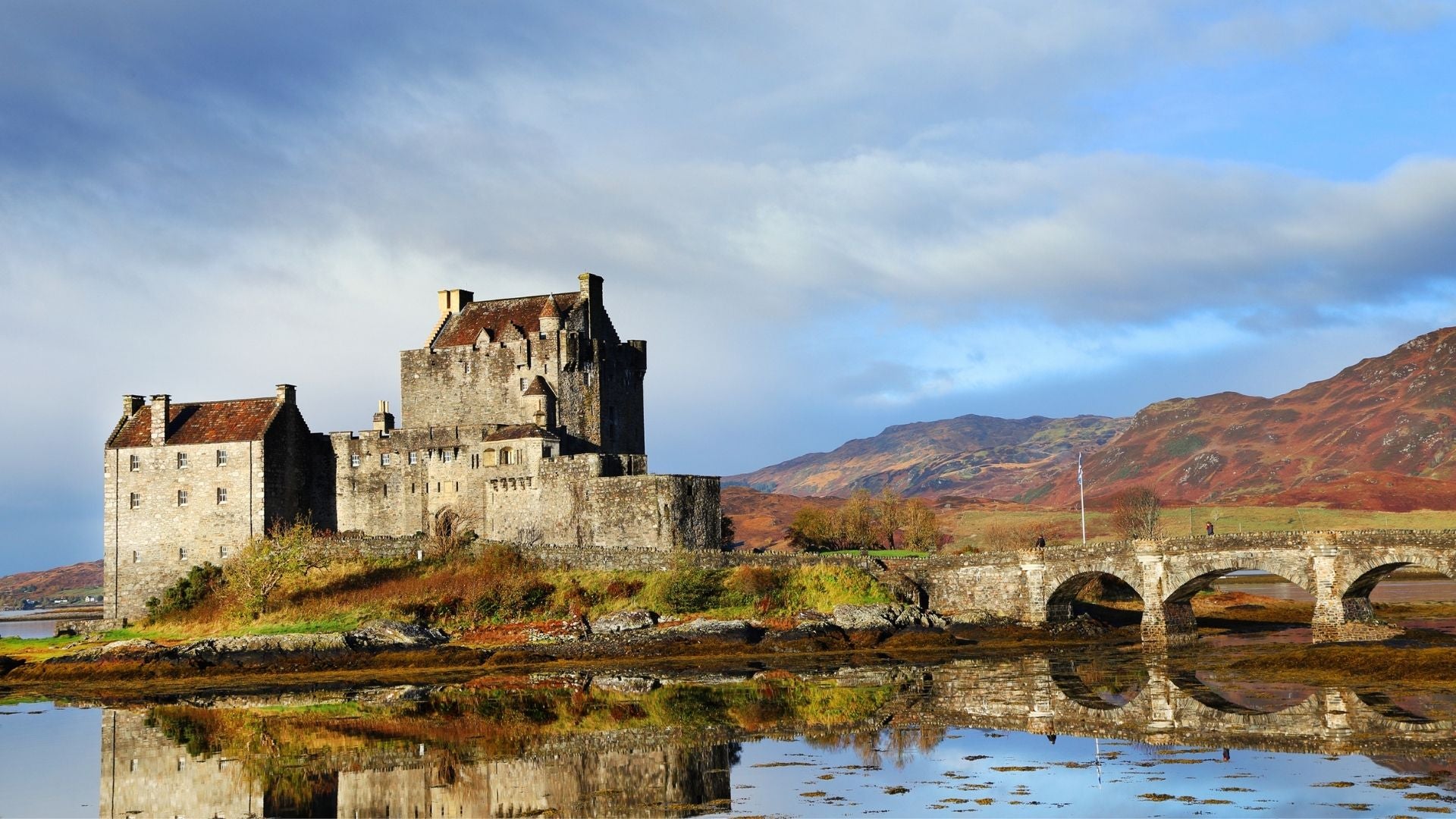
Eilean Donan Castle, once a stronghold of the Mackenzies, is now an iconic symbol of the clan's historical significance. Restored in the early 20th century, the castle attracts visitors worldwide and offers insights into the clan's storied past.
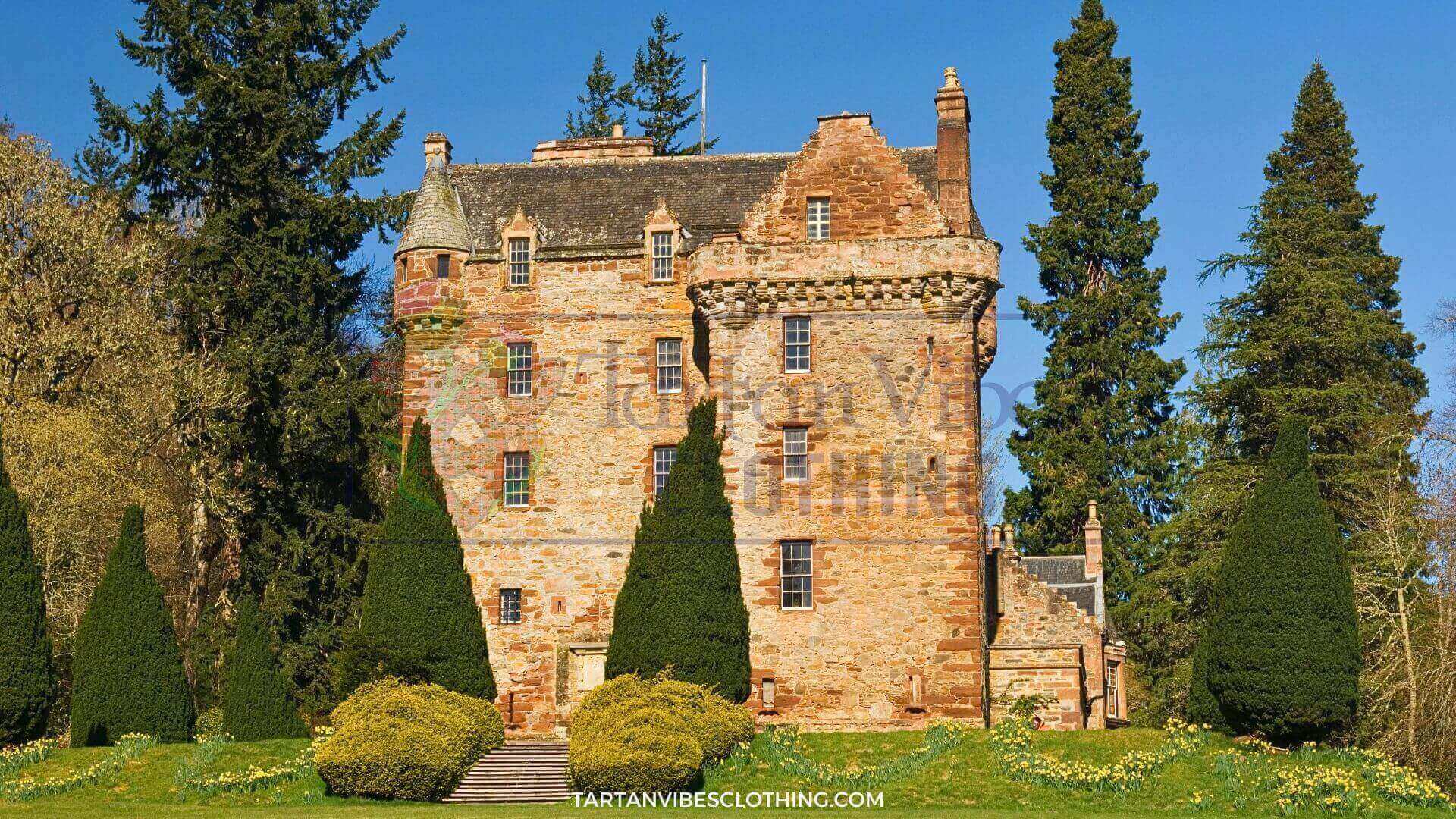
Castle Leod, near Strathpeffer, serves as the current seat of the Clan Mackenzie chief. With its rich history and well-preserved architecture, the castle is open to the public on select days, allowing visitors to explore the ancestral home and its collections.
3. Contemporary Leadership and Global Presence
The present chief of Clan Mackenzie is John Ruaridh Grant Mackenzie, the 5th Earl of Cromartie. Recognized by Lord Lyon, King of Arms, he continues to uphold the clan's traditions. He represents the Mackenzie lineage in various cultural and ceremonial capacities.
4. Cultural Contributions and Recognition
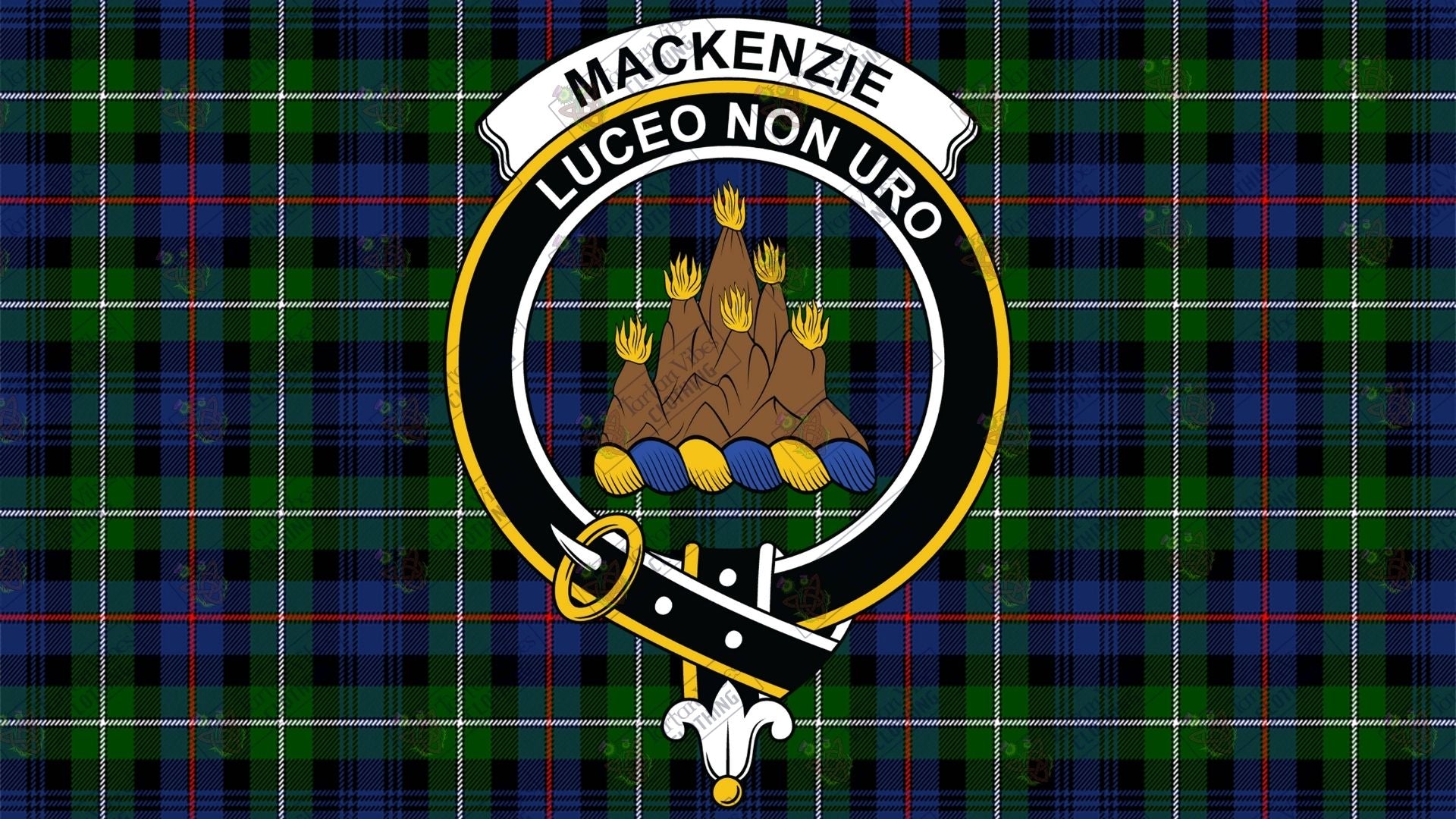
The Mackenzie tartan, characterized by its distinctive pattern of dark green, navy blue, and black with red and white accents, remains a popular symbol of clan identity. It is commonly worn during cultural events, Highland games, and personal celebrations, serving as a tangible link to ancestral roots.

Capture the legacy of the Mackenzie Clan.
Celebrate your Highland heritage in style with curated pieces from Tartan Vibes Clothing, designed to carry the spirit of the Mackenzie Clan into your everyday life.
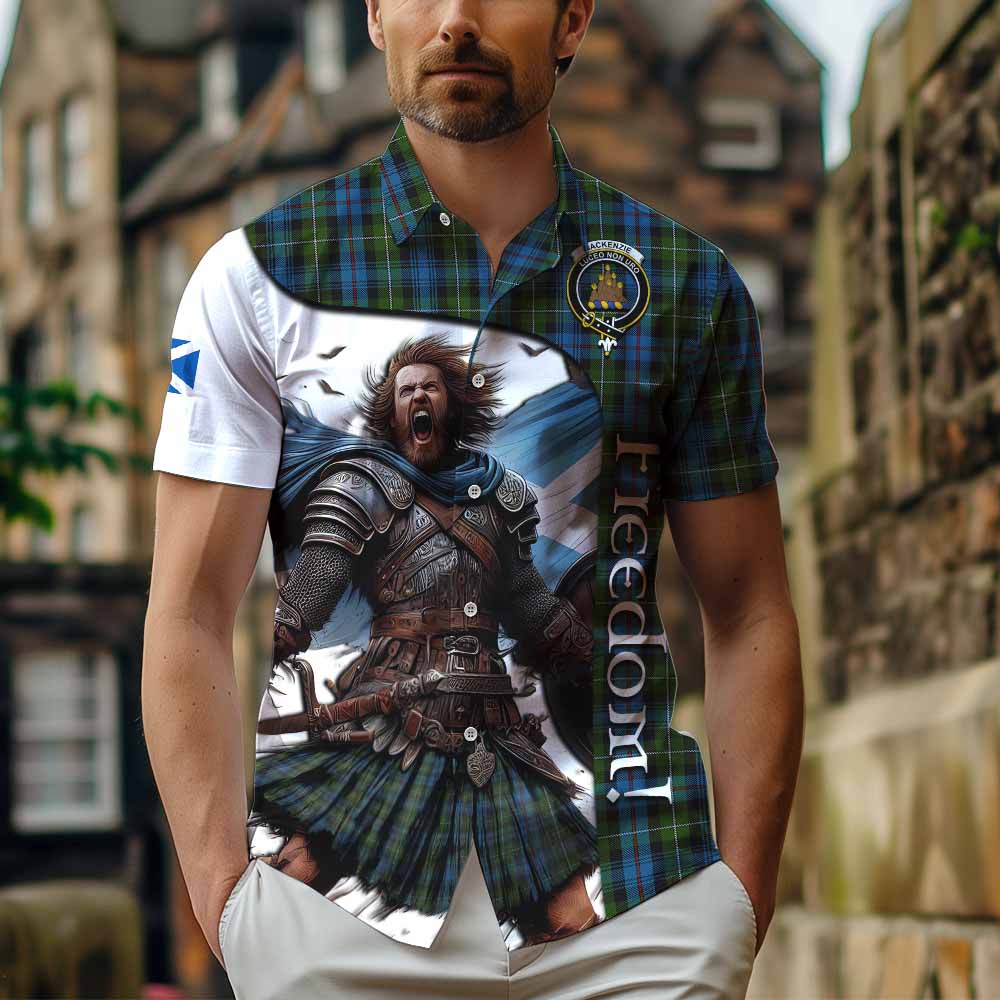
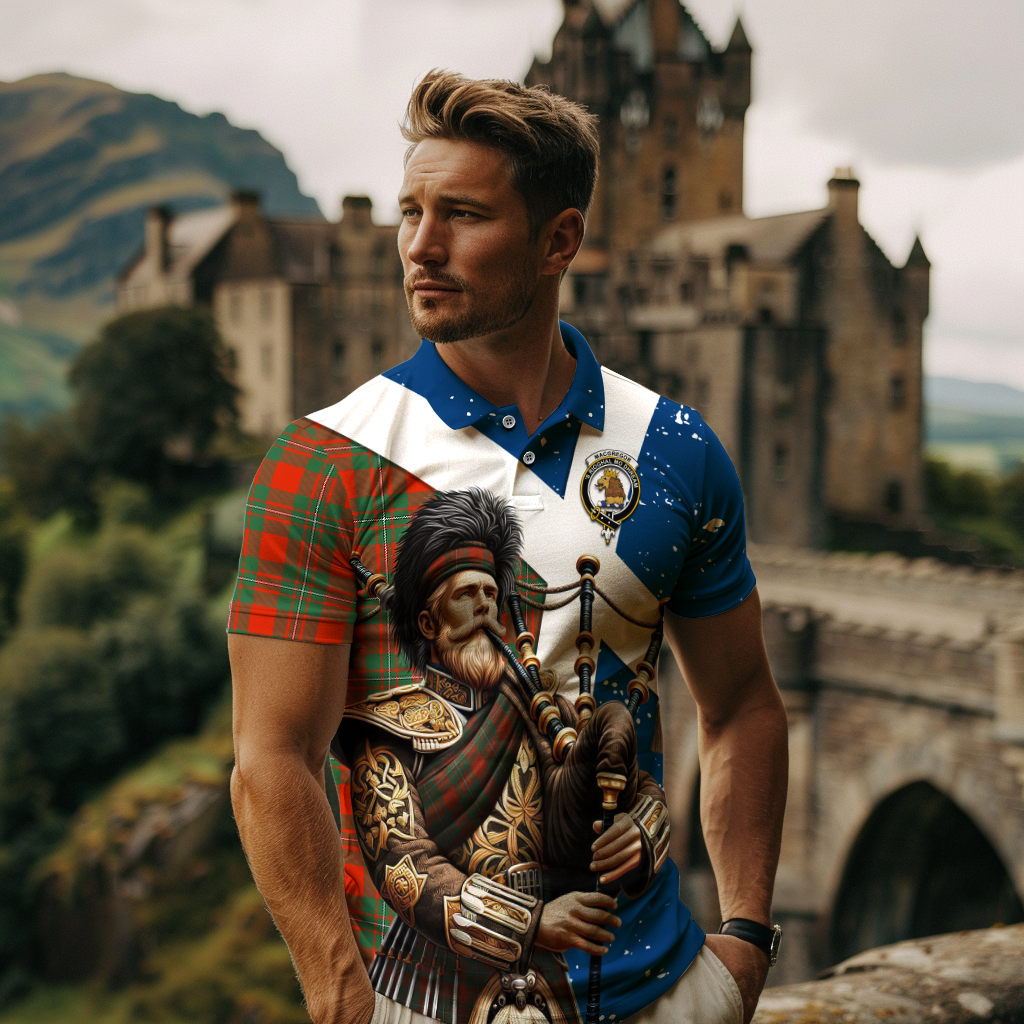
Mackenzie (Mckenzie) Crest Tartan Short Sleeve Button Shirt
Stay stylish and comfortable with the Mackenzie (Mckenzie) Crest Tartan Short-Sleeve Button Shirt. Made from flexible fabric, it’s perfect for casual or dressy looks, adding timeless Scottish flair to any occasion.
Mackenzie (Mckenzie) Clan Crest Engraved Ring
Celebrate your heritage with the Mackenzie (Mckenzie) Clan Crest Ring. Made from stainless or gold-plated steel, this elegant, tarnish-resistant piece adds timeless style to any look.


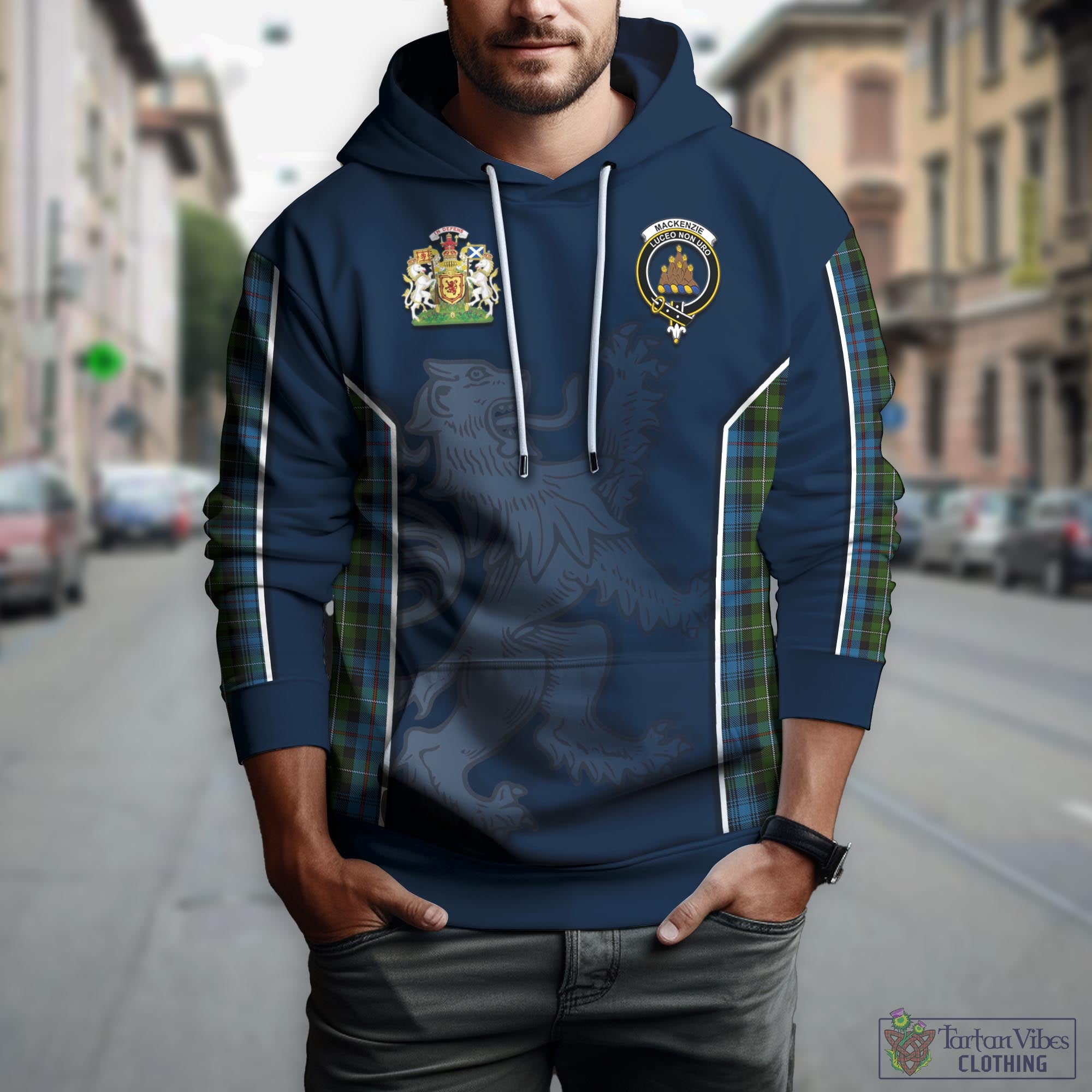
Mackenzie (Mckenzie) Crest Tartan Hoodie
Upgrade your look with the Mackenzie (McKenzie) Crest Tartan Hoodie. Crafted from a durable polyester blend, it stays vibrant and resists wrinkles—perfect for both casual and layered styles.

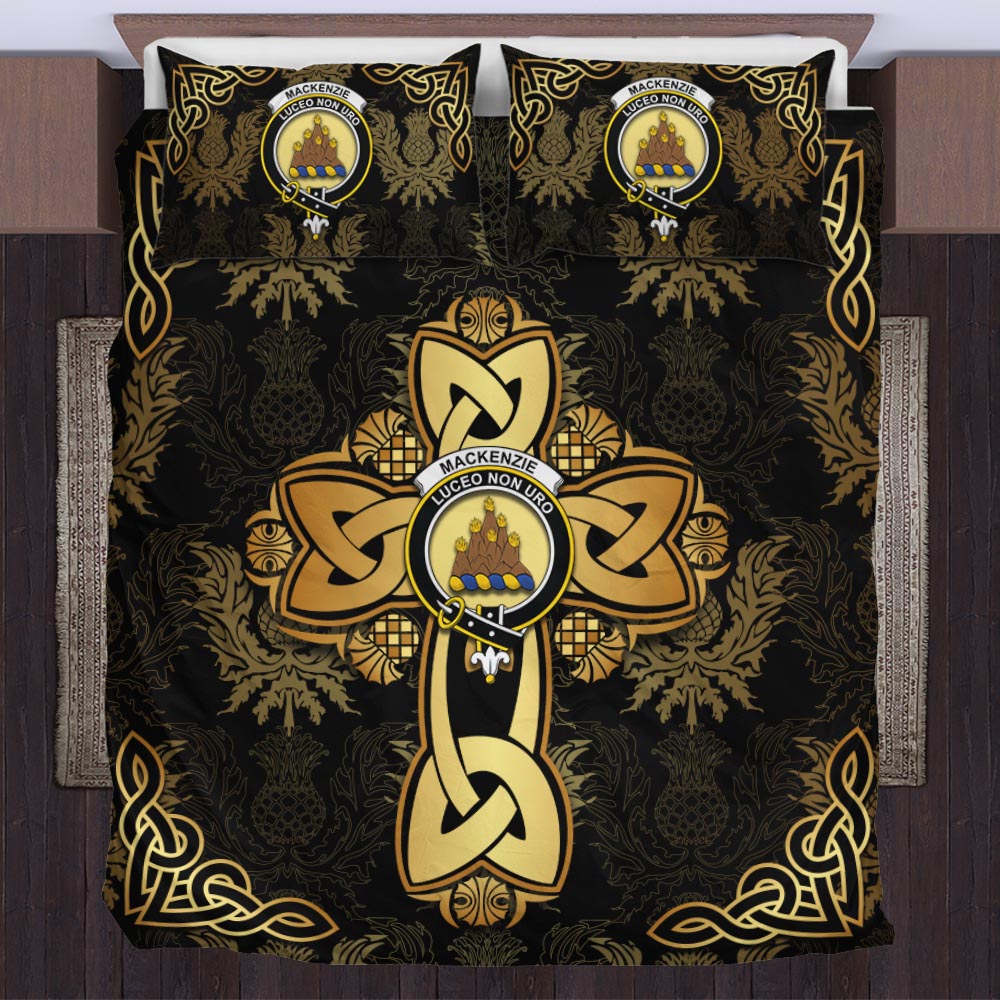
Mackenzie (Mckenzie) Clan Bedding Sets
Add Scottish charm to your bedroom with the Mackenzie (Mckenzie) Clan Bedding Set. Made from soft brushed polyester, it features a vibrant tartan print, tie-down corners, and easy-care convenience.

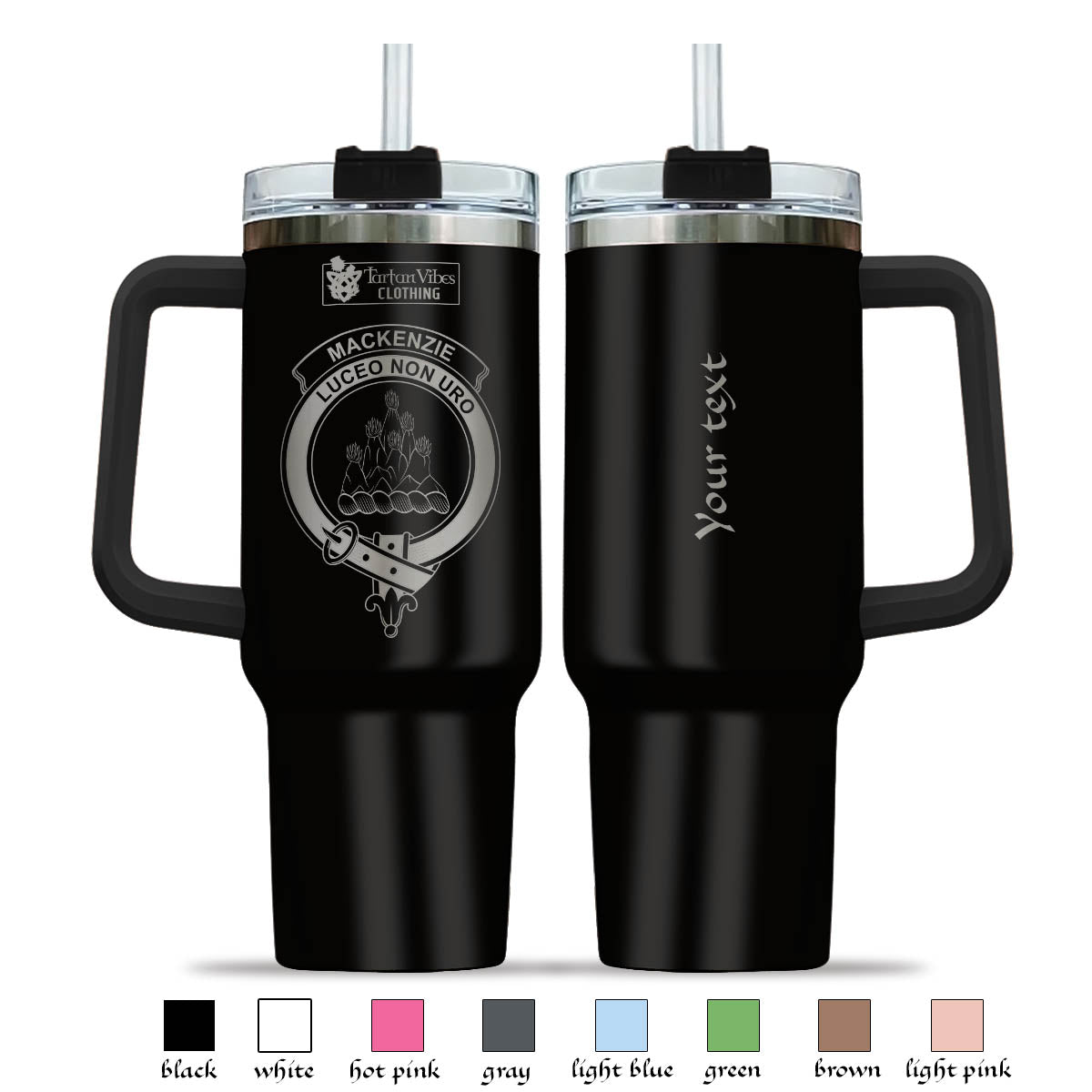
Mackenzie (Mckenzie) Clan Crest Tumbler with Handle
Stay refreshed with the Mackenzie (Mckenzie) Clan Crest Tumbler. Made from premium stainless steel, it keeps drinks cold for 12 hours or hot for 6, with a durable, sweat-free design built for any adventure.

Conclusion
Frequently Asked Questions
Who was the first Mackenzie clan chief?
The first recognized chief of the Mackenzie clan was Kenneth Mackenzie, also known as Coinneach MacCoinnich, who lived during the 13th century.
What is the motto of Clan Mackenzie?
The Mackenzie Clan's motto is "Luceo Non Uro," meaning "I shine, not burn." It's a beautiful image of resilience and grace.
Where is the Mackenzie Clan Castle?
Eilean Donan Castle, perched dramatically on a tidal island where three sea lochs meet, is closely associated with the Mackenzies. It's one of the most photographed castles in the world!
Who are the famous descendants of the Mackenzies?
Notable Mackenzies include explorer Sir Alexander Mackenzie, whose name graces Canada's Mackenzie River, and British politician Lord Seaforth. The clan's legacy is sprinkled through history books.

Aimee Li
An author dedicated to exploring the rich history, vibrant culture,... of the Scottish clans. As an avid historian and fashion enthusiast, I have always been fascinated by Scotland's heritage and the timeless elegance of its traditional attire. Join me on this journey through the highlands and lowlands, as we delve into the heart of Scottish legacy together.


