



Table of Content
Christmas isn’t just another holiday - it’s a festive mix of traditions, stories, and a sprinkle of magic that brings people together like nothing else. Whether hanging twinkling lights, wrapping presents, or savoring a big festive feast, have you ever wondered about the fun facts behind Christmas? From ancient celebrations to clever marketing tricks, Christmas has a history as rich as grandma’s fruitcake. Let’s dive into some surprising and entertaining fun facts about Christmas - perfect for impressing your friends around the tree or at the dinner table!
The Origins and History of Christmas
The history of Christmas is filled with unexpected turns — from ancient pagan roots to religious symbolism and cultural revival. Before it became the joyful celebration we know, this beloved holiday went through centuries of transformation, adaptation, and rediscovery.
1. Why December 25?
Did you know that the Bible never mentions December 25 as the birthdate of Jesus? Historians believe that early Christians chose this date to coincide with pagan festivals like Saturnalia, celebrating the winter solstice. It wasn’t until 336 AD that Christmas was officially celebrated on December 25. This is one of the most interesting facts about Christmas Day that connects ancient traditions to the holiday we cherish today.

2. "Xmas" Is Not Anti-Christmas
Contrary to popular belief, "Xmas" isn’t a secular twist on the holiday. The "X" comes from the Greek letter "Chi," the first letter in the word "Christos," meaning Christ. This abbreviation dates back to the 16th century and is an interesting fact about Christmas Day that clarifies a common misconception.
3. Christmas Was Once Banned

🧐🎄Curious about the history behind Scotland's Christmas ban? Discover the fascinating story here!
4. The Twelve Days of Christmas
5. The Christmas Truce of 1914
British and German soldiers declared an unofficial truce during World War I on Christmas Eve. They sang carols, exchanged gifts, and even played soccer in no man's land, showcasing the spirit of peace.
Santa Claus and His Magical Legacy
Few figures capture the spirit of Christmas like Santa Claus. His journey — from a generous saint to a beloved global icon — is filled with heartwarming tales, clever reinventions, and timeless traditions that still make children (and adults) believe in holiday magic.
6. Santa Claus: The Evolution
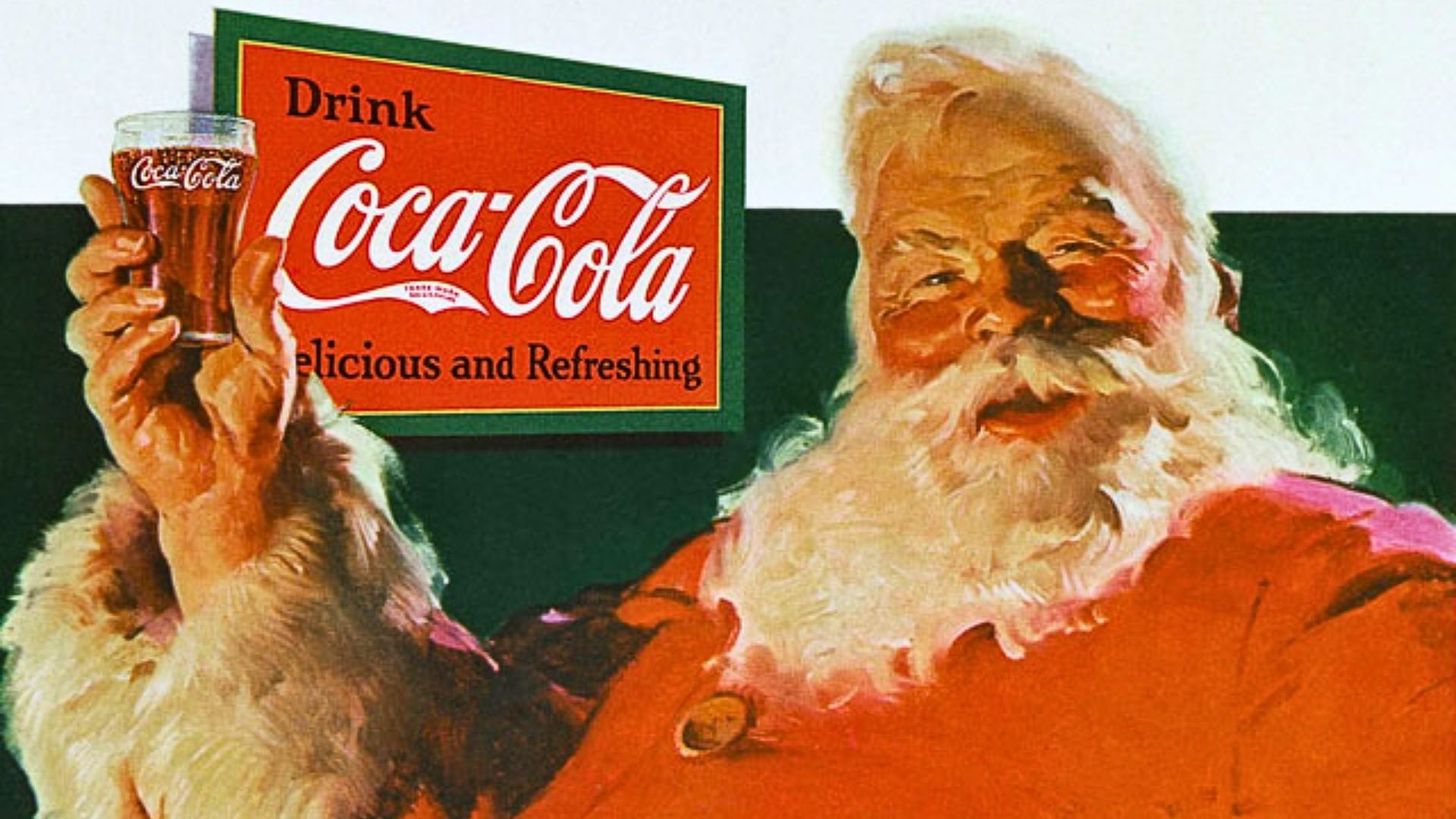
Our beloved Santa Claus evolved from St. Nicholas, a 4th-century bishop famous for his generosity. Dutch settlers brought "Sinterklaas" to America, which later morphed into "Santa Claus." Coca-Cola's 1931 ads, illustrated by Haddon Sundblom, cemented Santa’s image as the jolly man in a red suit.
7. The Curious Case of Stockings
Legend has it that the tradition of hanging stockings comes from St. Nicholas. He threw gold coins down a chimney to help a poor man’s daughters marry, and the coins landed in their stockings, drying by the fire. Today, stockings are filled with treats and small gifts, continuing this delightful custom - another fun fact about Christmas that’s full of charm.

8. Rudolph’s Red Nose Was a Marketing Ploy
Rudolph the Red-Nosed Reindeer wasn’t part of Santa’s original crew. He was created in 1939 by Robert L. May, a copywriter for Montgomery Ward, as part of a holiday promotion. The song followed in 1949, and the rest is history! Fun fact: Rudolph was almost named Rollo or Reginald.

9. Santa’s Canadian Postal Code
10. Tangerines in Stockings
The tradition of putting tangerines in stockings comes from 12th-century French nuns, who left socks filled with tangerines, nuts, and fruits for the poor. The tangerine symbolizes charity and generosity.
11. Reindeer Myths
The Story Behind Christmas Trees and Decorations
Before twinkling lights and glittering baubles, Christmas decorations were steeped in symbolism and ancient belief. Each tradition — whether it’s the wreath, the tree, or even a simple apple — tells a story of life, hope, and the enduring spirit of Christmas.
12. The Roots of the Christmas Tree
The Christmas tree tradition traces back to ancient civilizations. Egyptians honored Ra, their sun god, with green palm leaves. At the same time, Romans used evergreen boughs during Saturnalia to signify life amidst the darkest days of winter. Germany popularized decorating trees in the 16th century, and Prince Albert, Queen Victoria’s husband, brought the custom to England in 1848.

13. The Origin of Christmas Wreaths
Christmas wreaths symbolize eternal life with their circular shape having no beginning or end. Early Christians adopted this decoration from the ancient Romans and Greeks, who used laurel wreaths to signify victory and honor.

14. The Role of Apples in Decorations
The earliest known Christmas tree decorations were apples. Medieval actors used them in paradise plays to represent the forbidden fruit in the Garden of Eden. Over time, this evolved into modern tree ornaments.

15. President Teddy Roosevelt Banned Christmas Trees
As an environmentalist, President Theodore Roosevelt famously banned Christmas trees in the White House during his term in 1901. His children, however, smuggled one into the White House and set it up in secret.
16. The First Artificial Christmas Tree
17. The First Use of Electric Lights
18. The World’s Tallest Christmas Tree
The tallest Christmas tree ever recorded was a Douglas fir displayed at the Northgate Shopping Center in Seattle, Washington, in 1950. It stood an impressive 221 feet tall — taller than a 20-story building!
19. The Rockefeller Center Tree
The Rockefeller Center Christmas tree tradition started in 1931 during the Great Depression. Construction workers at the site erected a small 20-foot tree to lift spirits during tough economic times.
Today, the tradition has grown into a global spectacle. The tree now stands 75-90 feet tall and is decorated with over 50,000 LED lights and topped with a 900-pound Swarovski crystal star. The annual lighting ceremony attracts hundreds of thousands of visitors and is broadcast worldwide, making it one of the most iconic holiday symbols.

Traditions, Treats, and Symbols of the Season
From glittering tinsel to the humble Yule log, every Christmas symbol has a tale to tell. Some began as ancient rituals, others as clever inventions — and all have become part of our shared holiday joy. Ready to discover the delightful stories behind these timeless traditions?
20. The Tale of Tinsel
Tinsel, now a festive staple, was invented in 1610 in Germany using real silver. It was originally a luxury item, adding shimmer to trees. Over time, silver was replaced with cheaper materials like plastic. Interestingly, tinsel was once banned in the U.S. due to its toxic lead content. This Christmas fun fact shows how traditions evolve.

21. Why Candy Canes Have Stripes
22. The Quirky Tradition of Mistletoe
Mistletoe isn’t just for stealing kisses — it’s steeped in history. Ancient Druids believed it had magical properties and used it to symbolize fertility and protection. However, “mistletoe” means “dung on a twig” in Old English, referencing its growth from bird droppings.
23. Eggnog’s Medieval Origins
Eggnog originated in medieval Britain as a luxurious drink for the wealthy. It included milk, eggs, sherry, and was used for toasts at festive gatherings. It became a holiday staple in America thanks to abundant farming resources.

24. Candy Cane Flavors
While the original candy cane had peppermint flavoring, modern variations come in diverse flavors, including cherry, chocolate, and bacon.
25. The Yule Log Tradition
26. Christmas Crackers
Dating back to the 1840s, Christmas crackers were invented by a British confectioner to add surprise and laughter to the holiday. Inside, you’ll find small gifts, paper crowns, and those iconic cracker jokes — funny puns and witty one-liners that never fail to get everyone smiling.

27. Early Christmas Feasts
Turkey wasn’t always the centerpiece of Christmas dinner. In medieval England, boar's head was often served, while peacocks and swans were considered luxury dishes. It wasn’t until the 16th century that turkey became popular due to its availability and size.
28. Turkey vs. Ham: The Dinner Duel

Gifts, Cards, and the Business of Christmas
We all love giving gifts, sending cards, and finding that perfect surprise — but have you ever wondered where it all began?
29. Christmas Cards: A Victorian Invention
The first Christmas card was sent in 1843 by Sir Henry Cole, a British civil servant. Featuring a family celebrating the holiday, it sparked a trend that continues today. The U.S. alone sends over 3 billion Christmas cards annually.

30. A Life-Saving Christmas Gift
31. The Expensive Twelve Days of Christmas
If you were to buy all the gifts mentioned in the "Twelve Days of Christmas", it would cost over $40,000 today! This melody isn't cheap, from golden rings to a partridge in a pear tree.
32. Americans Spend Big on Gifts
The National Retail Federation reports that Americans spend nearly $1,000 on annual holiday gifts. This figure reflects the season’s spirit of generosity and celebration.
33. The Economic Power of Christmas
Christmas shopping accounts for nearly one-sixth of all retail sales in the United States. This statistic reflects the economic impact of the holiday season.
34. The World’s Largest Christmas Gift
The Statue of Liberty is often considered the largest Christmas gift ever given. France gifted it to the United States in 1886, symbolizing friendship and freedom.

Carols, Culture, and Christmas Cheer
From classic carols that warm the soul to musical firsts that made history, Christmas tunes remind us how powerful simple melodies can be. They bridge time, distance, and even worlds
35. The Birth of "Silent Night"
"Silent Night", one of the most beloved Christmas carols, was composed in 1818 in Austria. It was written by Franz Xaver Gruber with lyrics by Joseph Mohr. This song has been recorded in over 300 languages and symbolizes peace.
36. Christmas Music History
“White Christmas” by Bing Crosby is the best-selling single of all time, with over 100 million copies sold globally. It was written during WWII, capturing the longing for home during the holidays.
37. Astronauts Sang "Jingle Bells" in Space
In 1965, astronauts aboard Gemini 6 played "Jingle Bells" as a prank on Mission Control, marking the first song ever broadcast from space. They used a harmonica and small sleigh bells for the performance.

Around the World: Fun Facts About Christmas
Take a trip around the world and discover how Christmas traditions vary from place to place. From the snowy streets of Norway to the glowing stalls of German markets, Christmas connects people in unexpected ways.
38. Norway’s Gift to London
Every year since 1947, Norway has gifted a majestic spruce tree to London’s Trafalgar Square. This tradition honors Britain’s support during World War II. The tree is adorned with lights and serves as a symbol of gratitude and unity.
39. Japan’s Christmas Love Affair with KFC

40. Christmas Markets
Strange, Surprising, and Safety Facts
As wonderful as Christmas may be, a few hidden hazards come with the holiday cheer. Understanding these lesser-known facts can help you keep your celebrations joyful — and safe for everyone at home.
41. Tinsel Fires and Dry Trees
Dry Christmas trees are extremely dangerous — they can ignite in seconds and engulf a room in flames within minutes. Each year, an average of 150–210 home fires in the U.S. are caused by Christmas trees, resulting in deaths, injuries, and millions in property damage.
Keep your tree hydrated by watering it daily and positioning it away from fireplaces, heaters, and candles. If needles fall off easily when touched, remove the tree immediately to prevent a potential tragedy.

42. Christmas Decorating: A Risky Business
Holiday decorating sends nearly 15,000 people to the ER each year. Common injuries include falls while hanging lights, cuts from broken ornaments, and back strains from lifting decorations. Take care while spreading holiday cheer!
43. Christmas Plants Can Be Toxic to Pets and Children
Popular Christmas plants like holly berries, mistletoe, and certain lilies are toxic if ingested and can cause serious poisoning. While poinsettias are less dangerous, they can still cause stomach upset and skin irritation. Poison control centers receive thousands of calls annually related to holiday plant exposures. Keep these decorations out of reach of children and pets, or use artificial alternatives for a safer celebration.
The Magic Lives On
Christmas is more than a date on the calendar — it’s a tapestry of history, tradition, and global customs. From the origin of mistletoe to Santa’s modern makeover, these fun facts about Christmas remind us that there’s always more to learn about the holiday we love. Whether you’re singing carols, decorating your tree, or sharing a few cheeky Christmas jokes with friends for a laugh, take a moment to marvel at the rich stories behind the season.
Merry Christmas, and may your holiday be filled with wonder and joy!
Frequently Asked Questions
What is a fun fact about Christmas?
3 billion Christmas cards are sent in the U.S. each year. Christmas trees have been sold in the U.S. since 1850. It takes about 15 years to grow the average Christmas tree. Alabama was the first state to officially recognize Christmas in 1836.
Why does Santa wear red?
These include Saint Nicholas, a 4th Century Greek bishop - who famously wore red robes while giving gifts to the poor, especially children - and the English folk figure "Father Christmas", whose original green robes turned red over time.
Why is Christmas celebrated on December 25th?
Christmas is celebrated on December 25th to align with pagan festivals like Saturnalia and the winter solstice. Early Christians officially chose the date in 336 AD, although the Bible doesn’t specify it as Jesus’ birthdate.
What is Christmas facts about Christmas for kids?
Before electric lights were invented, people decorated their Christmas trees with fruit, popcorn, and even candles! Santa receives more than 8 million letters every single year from children all around the world. There are approximately 2.1 million reindeer in the world.
What is the origin of the Christmas tree tradition?
The Christmas tree tradition began in ancient times, with Egyptians and Romans using greenery to celebrate life during winter. Modern Christmas trees originated in 16th-century Germany and became globally popular thanks to Prince Albert and Queen Victoria.

Teresa Finn
As someone with a deep passion for clan heritage, especially the intriguing world of tartans and their rich traditions, I'm here to be your companion on this exciting journey. Together, we'll delve into the depths of clan history, uncovering the stories behind these vibrant tartans and making every connection to your heritage more meaningful.


