



Table of Content
The Scottish Highlands are famous for their clan history, but which was the most feared Highland clan? Clans vied for power, loyalty, and territory for centuries, forging alliances and enmities that could shift in a matter of decades. With a culture deeply rooted in honor, bravery, and kinship, Highland clans engaged in fierce battles to protect their lands and preserve their reputations. This exploration delves into the most notorious clans, examining the rivalries, resilience, and actions that made them both feared and respected across Scotland.
I. Quick Overview: The Most Feared Highland Clans
Before diving deeper into the history, this table provides a quick answer to which was the most feared Highland clan by summarizing the most powerful and feared clans, their defining traits, and their historical impact.
Clan |
Key Identity |
Notable Traits |
Influence & Fear Factor |
| Clan Campbell (Breadalbane) | Powerful clan backed by the Scottish Crown; controlled vast lands in Argyll | Political manipulation, brutal enforcement | Feared for political dominance, legal authority (“pit and gallows”), and involvement in brutal events like the Massacre of Glencoe (1692) |
| Clan MacGregor | Known as the “Children of the Mist,” an outlawed clan after 1603 | Outlaw resilience, vengeance culture | Feared for relentless resistance, revenge-driven warfare, and defiance despite persecution |
| Clan MacDonald | Lords of the Isles | Semi-independent rulers controlling the Hebrides and western Highlands | Feared for their immense territorial power, naval strength, and challenges to royal authority |
| Clan MacNeil | Based on the Isle of Barra | Seaborne raids, Norse roots | Feared for piracy, coastal raids, and operating outside traditional clan law |
While this overview provides a snapshot of the most feared Highland clans, understanding why they earned such reputations requires a closer look at the political landscape and cultural values that shaped clan behavior.
II. Understanding Clan Politics and Power Struggles
1. How Clan Politics Evolved Over Centuries
Scottish clan dynamics were never static; alliances and enmities evolved with political and territorial shifts. Historian John Thor Ewing explains that “each clan has its history of feuds and alliances”, making once-trusted allies into fierce enemies as circumstances changed. Clan loyalty often depended on what would secure the most power, protection, and territory. This flexibility in alliances made clan histories complex and fascinating.
2. The Role of Honor, Territory, and Loyalty in Clan Rivalries
Honor and loyalty were central to Highland clans, yet territorial ambitions frequently tested these values. A clan's honor was tied to its ability to protect its land and people, leading clans to defend their domains fiercely. These territorial ambitions resulted in notorious feuds, especially when multiple clans claimed the same regions, furthering the violence and fortifying each clan's reputation as fierce warriors.
With this context in mind, we can now examine specific clans in greater detail to understand how their actions, leadership, and strategies contributed to their feared status.
III. Which Was the Most Feared Highland Clan?
1. Clan Campbell of Breadalbane
Clan Campbell of Breadalbane was one of the most feared Highland clans, known for its brutal tactics and strategic alliances that solidified its dominance. The Campbells gained substantial power when Robert the Bruce granted the Barony of Loch Awe to Neil Campbell, displacing the MacGregors from their traditional lands.
As powerful landowners, the Campbells took full advantage of their position by enforcing their will across vast territories, using violent means to suppress resistance. Leaders like Grey Colin Campbell intensified the clan’s fearsome reputation. Known for his ruthless actions, Grey Colin personally beheaded the MacGregor chief Griogair Ruadh in 1570, sparking an eight-year war marked by beheadings, raids, and lynching.


The Campbells wielded the “power of pit and gallows”, a unique privilege allowing them to imprison and execute rivals at will, giving them an almost unchecked ability to control and intimidate other clans. Backed by the Scottish Crown, Clan Campbell leveraged its influence to suppress the MacGregors further, outlawing them and banishing their name. Figures like Sir Duncan Campbell of Glen Orchy and John Campbell, 1st Earl of Breadalbane and Holland, used their political ties to eliminate opposition. This combination of royal favor, legal authority, and strategic control established the Campbells as one of the most dominant forces in the Highlands.
The wider Campbell name later became even more controversial due to its association with the Massacre of Glencoe on February 13, 1692, one of the most infamous events in Scottish history. During this massacre, government troops—including members of Clan Campbell under Robert Campbell of Glenlyon—killed members of Clan MacDonald of Glencoe after accepting their hospitality, violating a deeply rooted Highland tradition.
Do you know why Clan Campbell is one of the most controversial clans in Scotland? Click to reveal the reasons!
Why is the Campbell Clan Hated? Key Reasons Revealed
2. Clan MacGregor: Children of the Mist
Despite being severely oppressed, Clan MacGregor earned its place among the most feared Highland clans due to its relentless and defiant spirit. Though stripped of much of their land by the Campbells, the MacGregors retaliated with ruthless determination. Known for their violent resistance, they frequently clashed with the Campbells and other clans, unwilling to submit quietly to displacement or loss of honor. The clan was also known as the “Children of the Mist”, reflecting their strong connection to the rugged Highland landscape and their ability to survive despite persecution.
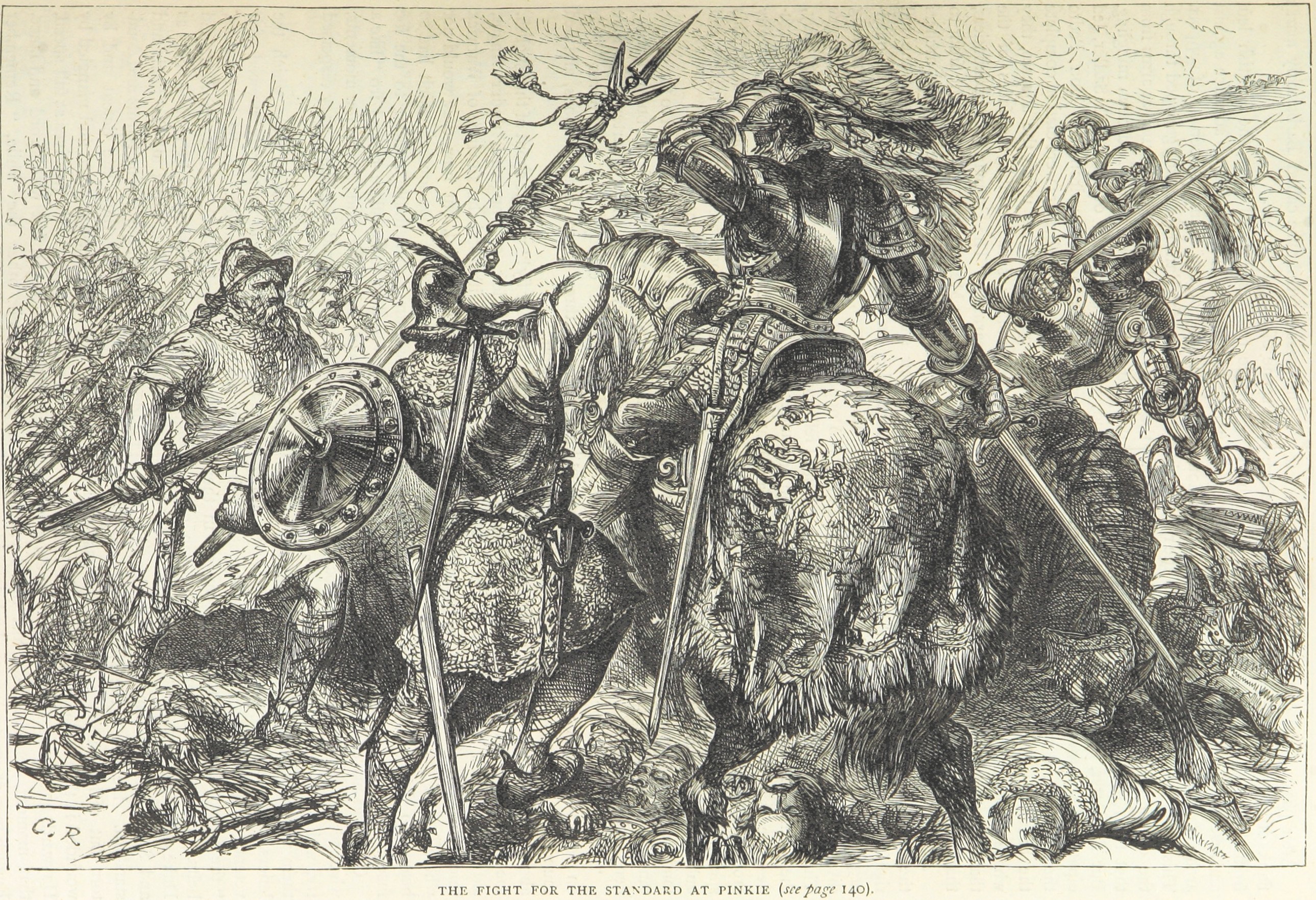
The clan’s fearsome reputation was partly due to its readiness to engage in brutal acts of retribution. For instance, after Grey Colin Campbell murdered Gregor Roy’s brother, Clan MacGregor waged an eight-year blood feud, instilling fear with their willingness to pursue vengeance. The MacGregors’ readiness to defy authority also set them apart; they often engaged in cattle rustling and poaching to survive, leading to intense clashes with royal officials and other clans.
One of the most significant events linked to Clan MacGregor was the Battle of Glen Fruin (1603), where the MacGregors defeated Clan Colquhoun in a violent clash that resulted in heavy casualties. The brutality of the battle shocked the Scottish Crown and led directly to the clan being outlawed later that same year.
Under this proscription, the MacGregor name was banned, and its members were subject to execution or forced to adopt other surnames. Despite this severe persecution, the clan continued to resist authority and later supported Jacobite causes, reinforcing its reputation as one of the most defiant and feared clans in the Highlands.

3. Clan MacDonald: Lord of the Isles
The MacDonalds of the Isles held an unparalleled position of power as “independent princes”, governing vast territories across the Hebrides, Skye, Ross, Knoydart, Ardnarmurchan, and parts of the mainland. Unlike most Highland clans, the MacDonalds operated with a high degree of independence from the Scottish Crown. Their leaders held the title “Lord of the Isles”, reflecting their semi-autonomous authority and dominance over both land and sea. This autonomy allowed them to build a reputation as formidable warriors and strategic rulers.
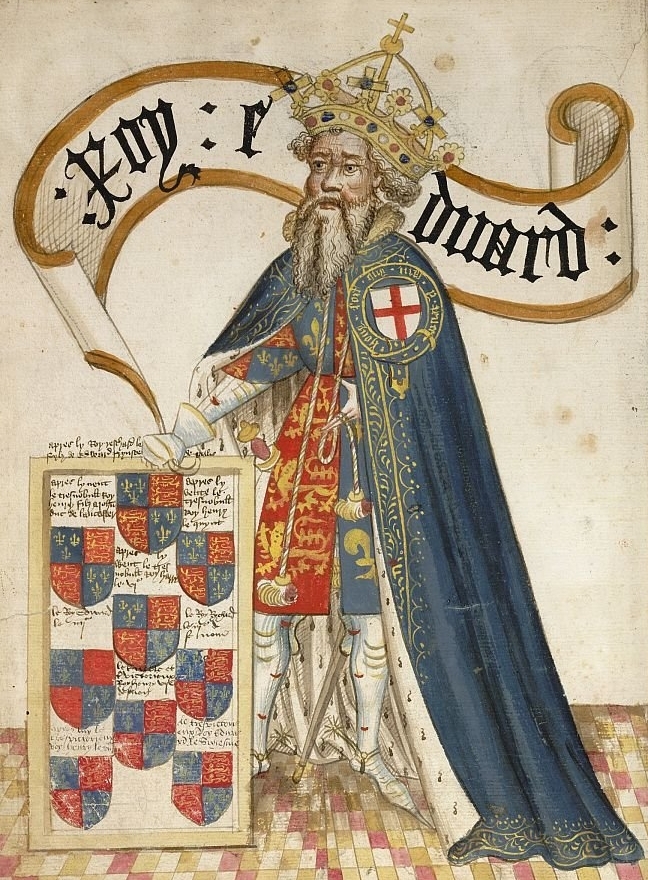
At their peak, the MacDonalds were among the largest landholders in Scotland, strengthening their influence through alliances with powerful figures, including Edward III of England. In 1338, the clan entered into an agreement with Edward III, increasing tensions with the Scottish Crown. The MacDonalds were also involved in some of the bloodiest conflicts in Highland history.
One of the most infamous was the Massacre of Glencoe (1692), where members of Clan MacDonald of Glencoe were killed by government troops after offering them hospitality. Another major event was the Battle of Dunaverty (1647), where MacDonald forces were killed after surrendering to Covenanter troops, highlighting the brutal nature of warfare in the Highlands. This willingness to challenge royal authority and engage in large-scale conflicts set the MacDonalds apart as a feared force across Scotland.

4. Clan MacNeil of Barra: The Notorious Pirates
Clan MacNeil, based on the island of Barra, distinguished itself through its strong maritime tradition rather than territorial expansion. Operating from Kisimul Castle, the MacNeils controlled key sea routes in the Hebrides.
The clan developed a reputation for seaborne raiding and piracy, using fast vessels to conduct attacks along Scotland’s western coasts. This maritime activity allowed them to accumulate resources and maintain independence from mainland clan politics.
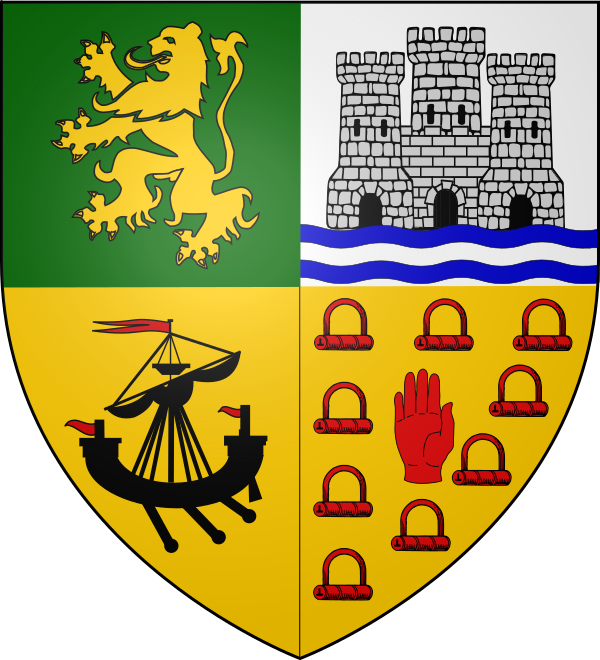
The clan’s fearsome reputation was heightened by their Norse lineage, confirmed by recent DNA analysis that overturned the previous belief that they were descendants of an 11th-century Irish prince. Instead, the Norse roots of the MacNeils contributed to their seafaring dominance and independent nature. Operating outside the typical clan system, they survived largely on the wealth amassed from their raids, gaining resources and respect through their fearless marauding.
The MacNeils were, as Sir Malcolm described, “a law unto themselves”. Their independence from traditional Highland clan politics allowed them to establish themselves as one of the most feared clans, with a legacy built on their ability to dominate the seas and exploit their strategic location on Barra. This maritime supremacy positioned Clan MacNeil as feared raiders and as a symbol of the fierce independence that defined some of Scotland’s most formidable clans.
Conclusion
From the brutal tactics of Clan Campbell to the relentless resilience of the MacGregors, the seafaring dominance of the MacDonalds, and the piratical prowess of the MacNeils, each of these clans played a crucial role in shaping Scotland's tumultuous history. Their stories reveal a Highland society steeped in tradition, ambition, and fierce loyalty. The legacy of these clans lives on, with each one leaving its mark as a symbol of Scotland’s fierce independence and complex history. Although the title of the “most feared” may be subjective, each clan demonstrated an unmatched determination to hold their ground, making them unforgettable in the annals of Highland history.
Frequently Asked Questions
Who was the most feared clan?
According to Sir Malcolm MacGregor of MacGregor, convener of the Standing Council of Scottish Chiefs, there are several candidates for the title of the most feared clan.
Who are the most fierce Scottish clans?
The border clans known as Reivers were noted for being ruthless as they were involved in constant warfare. So, not necessarily in rank order, I would include in the top ten MacDonald, MacLeod, MacGregor (my clan via my mother), Campbell, Armstrong, Douglas, Stewart, Cameron, MacKenzie and Graham
What is the most powerful highland clan?
Clan Campbell was one of the largest and most powerful clans in the Highlands. Based primarily in Argyll, Clan Campbell's chiefs eventually became the Dukes of Argyll
What clan was banned in Scotland?
The MacGregor clan faced a turbulent period in their history during the early 17th century. Following their involvement in various feuds and conflicts, including clashes with rival clans and political upheavals, the surname MacGregor was officially proscribed in 1603.
Why were the Campbells and MacGregors at odds?
The feud began when Robert the Bruce granted the Campbells control over lands traditionally held by the MacGregors. This displacement sparked ongoing hostilities, leading to blood feuds, territorial conflicts, and outlawing the MacGregors as the Campbells grew in power.

Teresa Finn
As someone with a deep passion for clan heritage, especially the intriguing world of tartans and their rich traditions, I'm here to be your companion on this exciting journey. Together, we'll delve into the depths of clan history, uncovering the stories behind these vibrant tartans and making every connection to your heritage more meaningful.


.jpg%20)
