



Scotland's Oldest Tartan: A 500-Year-Old Legacy Unearthed
by Teresa Finn on May 03, 2025
Table of Content
Introduction
Have you ever wondered what it would feel like to touch history with your own hands?
Thanks to a remarkable discovery in the Scottish Highlands, we no longer have to imagine it. Hidden deep in a Glen Affric peat bog for centuries, a fragment of Scotland’s past has emerged — a fragile tartan, now confirmed as Scotland’s oldest tartan, dating back to the 1500s.
Join us as we unravel the story behind this ancient fabric and its breathtaking journey from buried treasure to living heritage.
The Discovery of the Glen Affric Tartan
Unearthing History from a Peat Bog
Understanding the story behind Scotland’s most ancient fabric becomes even more meaningful when placed alongside a clear explanation of what a tartan truly represents, as outlined in the What Is a Tartan guide.
Together, they deepen appreciation for how this iconic pattern evolved from simple woven checks into a powerful emblem of identity
Imagine stumbling across a scrap of fabric, stained, worn, and tucked deep inside a Highland peat bog, only to realize — centuries later — that you've uncovered a priceless piece of Scotland’s living history. That's precisely what happened in Glen Affric around forty years ago. Buried under layers of earth and moss, protected by nature's time capsule, the Glen Affric tartan was waiting patiently to tell its story.
A Forty-Year Journey from Find to Fame

Scientific Analysis: Unlocking the Secrets of the Ancient Tartan
The intricate details preserved in Scotland’s earliest tartan samples naturally invite comparison to the extensive range of motifs presented in the article on traditional Scottish tartan patterns, offering a richer understanding of how colours and lines developed across centuries.
Dye Analysis: Color Clues from the Past
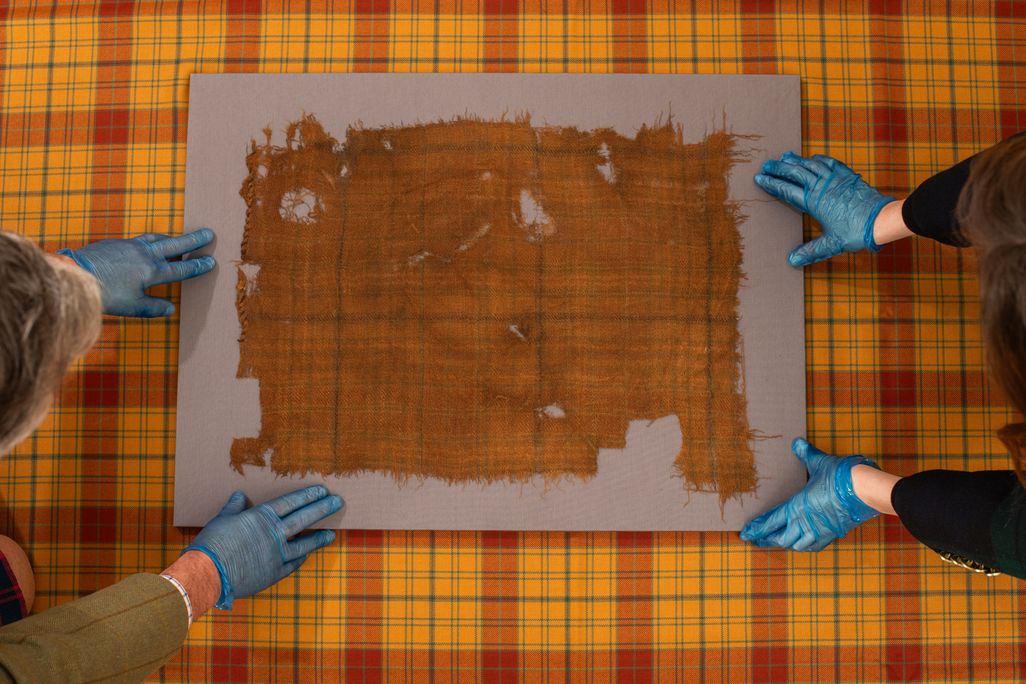
The first step in understanding the tartan’s age and authenticity involved detailed dye analysis. Experts from the National Museums Scotland used high-resolution digital microscopy to examine the fabric, revealing a colorful, centuries-old palette. They identified green, brown, and hints of red and yellow — colors made not synthetic dyes but with nature’s own bounty: plants, roots, and berries.
The presence of indigo or woad in the green sections was particularly telling. It confirmed that the dyes were entirely natural, thus dating the cloth to before the mid-18th century when artificial dyes first appeared.
Radiocarbon Dating: Pinpointing the Tartan's Age
Dye analysis alone wasn't enough. Scientists turned to radiocarbon dating at the SUERC Radiocarbon Laboratory in East Kilbride. To ensure accuracy, they carefully removed all peat staining that could contaminate the fabric’s carbon content. The results? A broad window between 1500 and 1655 AD, with the most likely dating between 1500 and 1600 AD.
This staggering revelation confirmed that the Glen Affric tartan was authentic and a silent witness to the reigns of James V, Mary Queen of Scots, and James VI — a time of political intrigue, clan rivalries, and bold Highland traditions.
What Makes the Glen Affric Tartan Unique?
Unlike simpler ancient weaves like the Falkirk tartan (which featured basic undyed checks), the Glen Affric tartan boasts multiple colors and a structured pattern with stripes of different sizes — the hallmark of an actual tartan. Measuring about 55 cm by 43 cm, the cloth’s design spoke of utility and subtle sophistication.
Interestingly, the potential presence of red was considered a mark of status among the Gaels. However, the rugged nature of the cloth suggests it belonged not to royalty but perhaps to a gentleman, woman, or outdoor worker of some rank.

Recreating the Glen Affric Tartan for the Modern World
Collaboration Between Historians and Designers
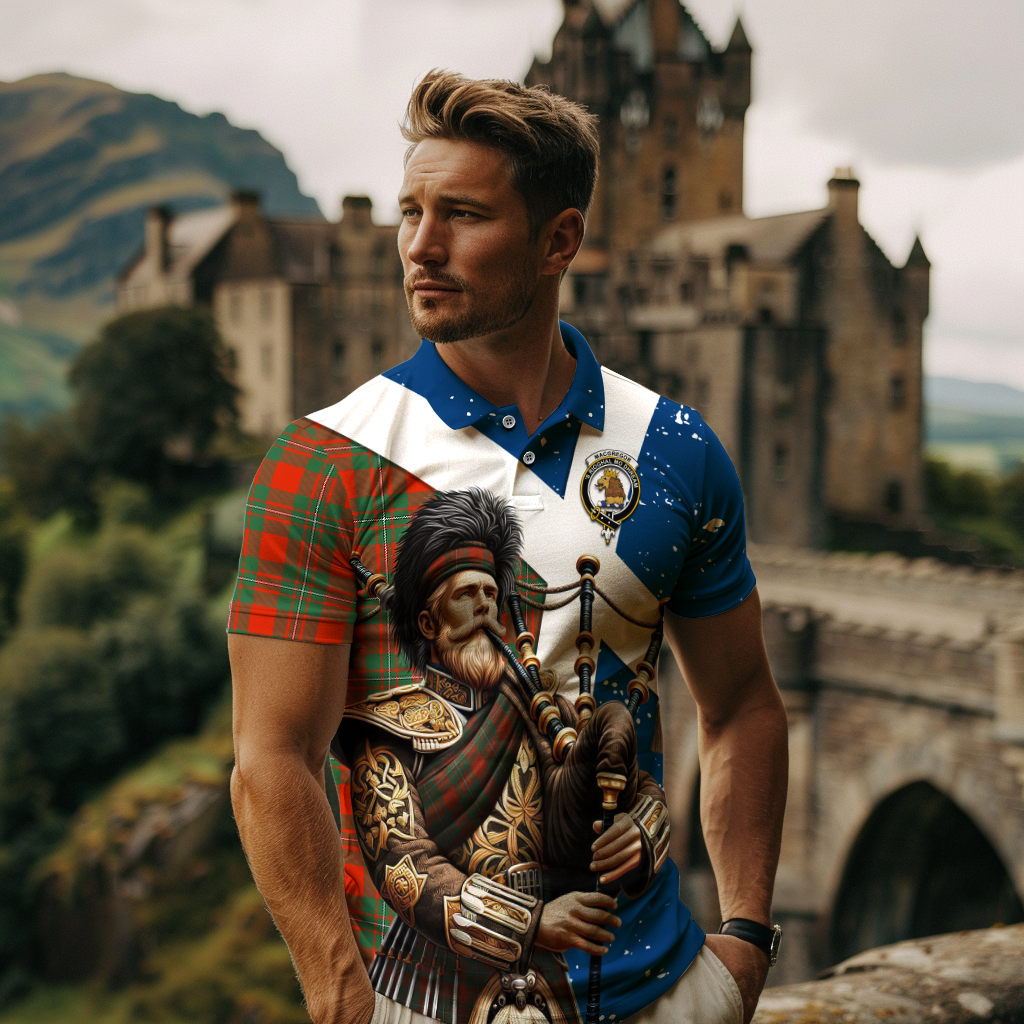
Breathing new life into an ancient textile isn’t easy. But that’s exactly what the Scottish Tartans Authority and House of Edgar set out to do. By studying dye analysis and fabric structure meticulously, they recreated a version that honored the original while adapting it for today’s tartan lovers.
Peter E. MacDonald described the project as a "once-in-a-lifetime opportunity" to "reach back in time and touch history" and revive the look and feel of the oldest known tartan from the Highlands.

Preserving Authenticity While Modernizing for Today
Working closely with fashion designers, the team maintained the original pattern and colors, refining shades slightly to fit historical accuracy and modern tastes. The result? A Glen Affric tartan that’s not just a relic but a living, wearable piece of Scotland’s heart.
Today, thanks to this incredible collaboration, you can own and wear a piece of history wrapped in a kilt, scarf, or even a bespoke jacket.
The Cultural and Historical Significance of the Glen Affric Tartan
A Symbol of Scottish Heritage
Scotland's Oldest Tartan isn't just an artifact. It’s a symbol of resilience, artistry, and identity. Its rediscovery reinforces the importance of traditional crafts and reminds us that Scottish culture, though shaped by time, remains vibrantly alive.
As John McLeish, Chair of the Scottish Tartans Authority, put it:
"The Glen Affric tartan is a piece of national and historical significance, deserving of preservation and national pride."

Impact on the Tartan Exhibition and Beyond
Video Dunstaffnage Castle.
It became an instant sensation when the Glen Affric tartan debuted at the V&A Dundee Tartan Exhibition. Visitors flocked to see it, marveling at its story, colors, and connection to an ancient past.
For many, witnessing the oldest tartan found in Scotland was a once-in-a-lifetime opportunity to see history woven into fabric.
Beyond exhibitions, this tartan has fueled a broader revival of interest in Scotland's weaving traditions, inspiring modern designers, historians, and everyday Highlandwear enthusiasts alike.
How You Can Experience Scotland's Oldest Tartan Today
Exhibition at V&A Dundee
Purchasing a Piece of Living History
You can purchase garments made from the recreated Glen Affric tartan! Thanks to the collaboration with House of Edgar, kilt shops across Scotland — and internationally — are beginning to stock this beautiful, historic pattern. So why not drape yourself in a shawl, don a kilt, or add a stylish accessory crafted from threads born half a millennium ago?
Discover timeless tartan made modern — shop now at Tartan Vibes Clothing.
Threads That Time Cannot Fade
Scotland's Oldest Tartan is more than fabric; it’s a time traveler weaving through centuries of Scottish life, conflict, and celebration. From a lonely peat bog to a global fashion statement, its story reminds us that history is not just something we study — it's something we can wear, cherish, and pass down for generations.
So next time you feel the urge to connect with the past, remember: sometimes, all it takes is wrapping yourself in a few simple, ancient stripes.
Frequently Asked Questions
What is the oldest kilt in the world?
The Glen Affric tartan. Uncovered about 40 years ago in a bog in Glen Affric in the Highlands, the tartan underwent rigorous testing last year to confirm it was the oldest surviving true piece of the traditional patterned cloth. The Glen Affric tartan dates from 1500 to 1600, the Scottish Tartans Authority confirmed.
What is the oldest Scottish clothing?
The oldest surviving sample of complex, dyed-wool tartan (not just a simple check pattern) in Scotland has been shown through radiocarbon dating to be from the 16th century; known as the "Glen Affric tartan"
What colors were found in the original tartan?
The original Glen Affric tartan displayed green, brown, red, and yellow colors derived from natural dyes.
When did Scots begin wearing tartan?
According to Professor Murray Pittock, Bradley Professor at the University of Glasgow, it's clear that tartan was worn by Scottish clans as early as the 16th century. There is also evidence of tartan being fashionable at court during the reign of King James IV (1488–1513), as well as among kilted soldiers of Scotland

Teresa Finn
As someone with a deep passion for clan heritage, especially the intriguing world of tartans and their rich traditions, I'm here to be your companion on this exciting journey. Together, we'll delve into the depths of clan history, uncovering the stories behind these vibrant tartans and making every connection to your heritage more meaningful.


