



What Is a Kilt? Everything You Need to Know About Scotland's Iconic Garment
by Aimee Li on Jul 15, 2026
Table of Content
A kilt is a traditional Scottish garment recognized by its knee-length, wrap-around design and distinctive tartan pattern. Originating in the Scottish Highlands during the 16th century, it has evolved from practical Highland clothing into a lasting symbol of Scottish heritage, clan identity, and cultural pride. Today, kilts are worn around the world for weddings, Highland games, military ceremonies, cultural celebrations, and even everyday modern fashion.
While many people recognize the garment, fewer understand what is a kilt, where it came from, or what makes it different from a skirt or other traditional clothing. In this guide, you'll discover the history of the kilt, why tartan matters, how authentic kilts are made, and why this iconic garment continues to play an important role in Scottish culture today.
A Quick Definition of Kilt
The kilt is one of Scotland's most recognizable traditional garments, known for its distinctive wrap-around design and permanently pleated back. While many people associate it with tartan, a traditional kilt is defined by its unique construction, craftsmanship, and long-standing role in Highland dress.
Traditionally made from woven worsted wool tartan, the kilt originated in the Scottish Highlands during the 16th century. What began as practical outdoor clothing gradually evolved into formal attire worn at weddings, Highland games, military ceremonies, cultural events, and other special occasions.
Although it is often mistaken for a skirt, a kilt is a distinct garment with its own tailoring methods, historical development, and cultural traditions. These defining characteristics have made it one of the most enduring and recognizable elements of Scottish dress.

Key Characteristics of a Traditional Kilt
Construction
Knee-length design worn at the natural waist
Wrap-around style with overlapping front aprons
Permanently sewn pleats at the back for structure and movement

Materials
Traditionally crafted from woven worsted wool tartan
Fastened with leather straps and buckles rather than zippers or buttons
Traditional Wear
Worn as the central garment of Highland dress
Commonly paired with accessories such as a sporran, kilt hose, and ghillie brogues
Together, these features create the distinctive appearance and structure that define an authentic Scottish kilt.
Why Is It Called a Kilt?
The word "kilt" is widely believed to derive from the Old Norse word kjalta, meaning "to tuck up" or "to fold." It later influenced the Middle English verb kilte, which referred to gathering or tucking clothing around the body. The name reflects the garment's wrapped construction rather than its Scottish origin.
In Scottish Gaelic, the traditional garment is known as the fèileadh mòr (Great Kilt) and fèileadh beag (Small Kilt), referring to its two historic forms. While these Gaelic names describe different styles of Highland dress, the English word "kilt" eventually became the widely accepted term for Highland dress today.
Where Did the Kilt Come From?
The kilt is more than traditional clothing—it represents Scottish identity, Highland heritage, and centuries of cultural tradition. While it first emerged as practical everyday wear, the kilt gradually became a powerful symbol of belonging, resilience, and national pride.
Today, it continues to connect people with Scotland's history through clan traditions, ceremonial dress, and cultural celebrations around the world.
Why Do People Wear Kilts?

The Evolution of the Modern Kilt
As Highland lifestyles changed, a shorter and more practical version gradually replaced the Great Kilt. By the early 18th century, the Small Kilt (fèileadh beag) had emerged, featuring permanently sewn pleats and covering only the lower body.
This tailored design offered greater freedom of movement while preserving the distinctive appearance of traditional Highland dress. Although historians continue to debate its exact origins, the Small Kilt eventually became the standard style worn throughout Scotland and remains the foundation of modern kilts today.
Why Was the Kilt Banned in Scotland?
The kilt was banned following the Jacobite Rising of 1745, when the British government sought to weaken Highland clan culture and prevent further rebellion. Under the Dress Act of 1746, most Highlanders were prohibited from wearing traditional Highland clothing, including kilts and tartans.
The ban remained in place until 1782, although Highland regiments serving in the British Army were exempt. Rather than disappearing, the kilt endured as a powerful expression of Highland tradition and identity, setting the stage for its later revival.
The Victorian Revival
During the 19th century, interest in Highland culture grew through the Romantic movement and the support of the British Royal Family, particularly Queen Victoria. Clan tartans became more widely recognized, Highland dress was standardized for ceremonial occasions, and the kilt evolved from regional Highland clothing into a nationally recognized symbol of Scotland.

Timeline of the Kilt's Evolution
Period |
Key Development |
Late 16th century |
The Great Kilt (fèileadh mòr) emerged in the Scottish Highlands. |
Early 18th century |
The tailored Small Kilt (fèileadh beag) became the standard design. |
1746 |
The Dress Act banned traditional Highland dress following the Jacobite Rising. |
1782 |
The Dress Act was repealed, allowing Highland dress to be worn again. |
19th century |
The Victorian Revival established the kilt as a national symbol of Scotland. |
Why Is the Kilt an Important Symbol of Scotland?
The kilt is more than traditional clothing—it represents Scottish identity, Highland heritage, and centuries of cultural tradition. While it first emerged as practical everyday wear, the kilt gradually became a powerful symbol of belonging, resilience, and national pride.
Today, it continues to connect people with Scotland's history through clan traditions, ceremonial dress, and cultural celebrations worldwide.
Why Do People Wear Kilts?
People wear kilts for many reasons beyond tradition. For some, wearing a kilt is a way to celebrate their Scottish ancestry or represent a family clan. Others choose kilts for weddings, Highland games, military ceremonies, Burns Night, and other cultural events that honor Scotland's history and customs.
Modern wearers are also drawn to the kilt for its comfort, distinctive style, and craftsmanship. Whether worn for heritage, fashion, or practicality, the kilt remains one of the most recognizable expressions of Scottish culture.
Why Do Kilts Have Tartan?
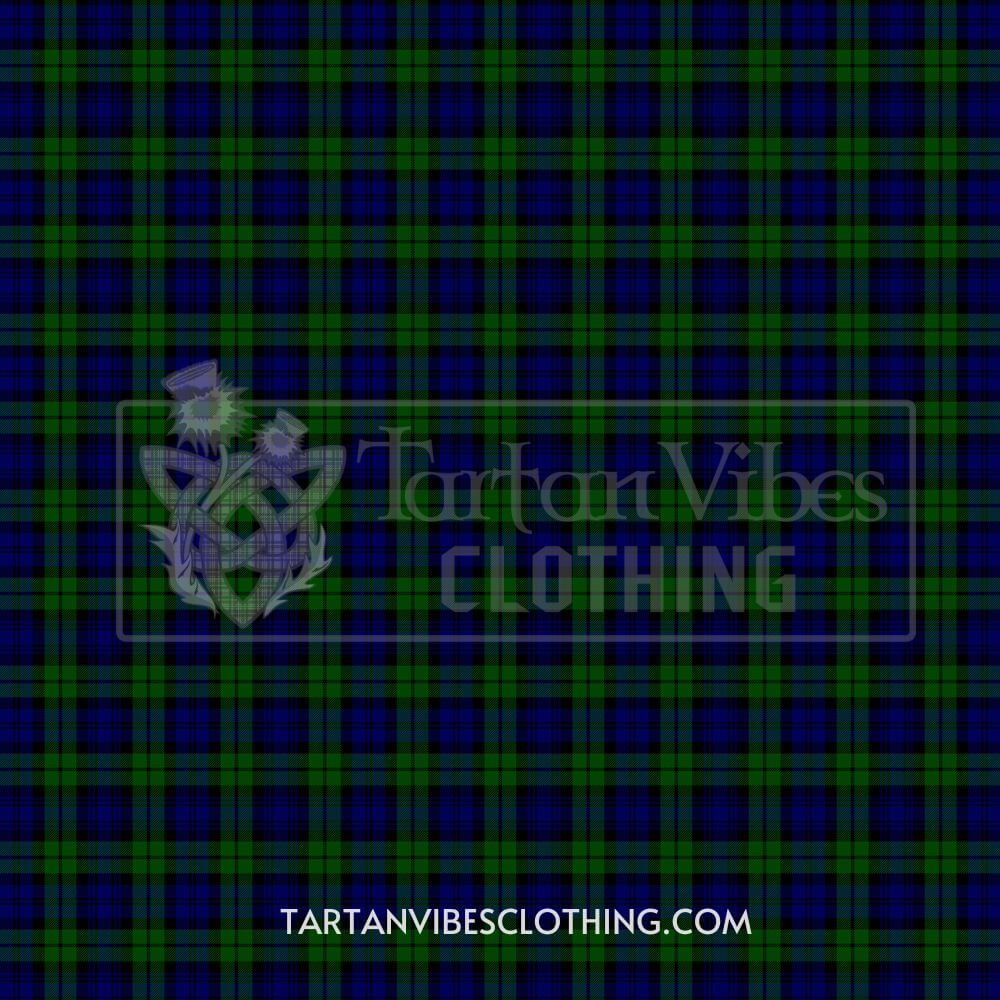
One of the defining features of a traditional kilt is its tartan—the distinctive pattern created by intersecting colored stripes woven into the fabric.
Although tartan is closely associated with Scottish clans today, not every tartan represents a specific family. Modern tartans may also be linked to regions, military regiments, organizations, or created as universal designs that anyone can wear.
Because of these associations, tartan gives each kilt both visual identity and cultural meaning, making it much more than a decorative pattern.
The Scottish Register of Tartans maintains official tartan records, while the Scottish Tartans Authority provides additional guidance on tartan history and design.
Are Kilts Scottish or Irish?
Kilts are historically Scottish in origin, developing in the Highlands during the late 16th century. Over time, they became closely associated with Scottish culture and Highland dress.
Ireland also has its own kilt tradition, but it developed much later, during the late 19th and early 20th centuries. Irish kilts are often worn in solid saffron or county colors rather than traditional Scottish clan tartans.
Although both garments reflect a shared Celtic heritage, the traditional kilt is fundamentally a Scottish garment with its own history, symbolism, and cultural significance.
What Makes a Kilt Different From Other Garments?
Although a kilt may resemble other wrap-around garments at first glance, it is distinct in both construction and cultural significance. From its tailored pleats and tartan fabric to its role in Highland dress, a traditional kilt follows centuries-old design principles that set it apart from ordinary skirts and modern alternatives.
Understanding these differences helps explain why the kilt is recognized as a unique garment rather than just another skirt.
Kilt vs Skirt: What's the Difference?
A skirt is a broad category of clothing worn in many cultures and styles, while a kilt is a specific traditional garment with defined construction, purpose, and cultural meaning. Although both wrap around the lower body, their design, materials, and historical significance are very different.

Feature |
Kilt |
Skirt |
Construction |
Wrap-around garment with overlapping front aprons |
Usually sewn as one continuous garment |
Pleats |
Permanently pleated at the back |
May or may not have pleats |
Material |
Traditionally woven worsted wool tartan |
Made from a wide range of fabrics |
Fit |
Worn at the natural waist |
Usually worn at the waist or hips |
Fastening |
Leather straps and buckles |
Zippers, buttons, elastic, or ties |
Purpose |
Traditional Highland dress and ceremonial wear |
General fashion garment |
Although a kilt shares a similar silhouette with a skirt, it is traditionally regarded as a distinct garment due to its specialized tailoring, cultural significance, and long-standing role in Scottish Highland dress. The difference is not simply about gender—it also reflects centuries of craftsmanship and tradition.
Traditional Kilt vs Utility Kilt
Not all kilts are made for the same purpose. While traditional kilts preserve the craftsmanship and heritage of Highland dress, utility kilts are modern adaptations designed for comfort, durability, and everyday practicality.
Feature |
Traditional Kilt |
Utility Kilt |
Material |
Worsted wool tartan |
Cotton, canvas, denim, or synthetic blends |
Pattern |
Traditional tartan |
Usually solid colors or non-tartan fabrics |
Purpose |
Formal, ceremonial, and cultural occasions |
Casual wear, workwear, and outdoor activities |
Design |
Pleated back with leather straps and buckles |
Functional pockets, snaps, and modern closures |
Best For |
Weddings, Highland games, formal events |
Everyday wear and contemporary fashion |
While both styles retain the classic wrap-around design, traditional kilts emphasize authenticity and Scottish heritage. In contrast, utility kilts prioritize function and versatility for modern lifestyles.
Tartan vs Kilt
The terms "tartan" and "kilt" are often used interchangeably, but they refer to different things.
A kilt is the garment itself, while tartan is the woven pattern traditionally used to make it. Tartan can also be found on scarves, jackets, blankets, ties, and other clothing, meaning not every tartan is a kilt, and not every modern kilt is made from tartan.
In simple terms:
Kilt – A traditional Scottish wrap-around garment.
Tartan – A woven pattern made from intersecting colored stripes.
Clan tartan – A tartan associated with a Scottish clan, family, or heritage group.
Understanding this distinction helps avoid one of the most common misconceptions about Scottish clothing. It makes it easier to recognize the unique role each plays in Highland dress.


How Is a Traditional Kilt Made?
A traditional Scottish kilt is distinguished not only by its appearance but also by the craftsmanship behind its construction. From the choice of wool tartan to the precision of its pleats and fit, every detail is carefully designed to create a garment that is durable, functional, and built to last.
Unlike mass-produced garments, an authentic kilt is tailored to the wearer, combining centuries of Scottish craftsmanship with practical design. This attention to detail is what gives a traditional kilt its distinctive shape, comfort, and long-lasting quality.
Traditional Materials
Traditional Scottish kilts are typically made from 100% worsted wool tartan, a tightly woven fabric valued for its durability, structure, and natural drape. The weight of the wool helps the pleats hold their shape while providing warmth, breathability, and comfort in a variety of weather conditions.
Although modern kilts may be made from cotton, polyviscose, or performance fabrics, worsted wool remains the preferred material for authentic Highland dress because of its quality and traditional appearance.
The Pleats and Construction
One of the defining features of a traditional kilt is its permanently sewn pleats at the back. These pleats allow the garment to move naturally while maintaining its structured silhouette.
At the front, two overlapping aprons wrap around the body and are secured with leather straps and buckles rather than zippers or buttons. Together, these construction details create the distinctive look that sets a kilt apart from other wrap-around garments.
How a Kilt Should Fit
A traditional kilt is worn at the natural waist, with the hem typically falling to the center of the kneecap. This fit creates the classic Highland silhouette while allowing comfortable movement.
A properly fitted kilt is measured using three key dimensions:
Natural waist – measured above the hips where the kilt is traditionally worn.
Hip measurement – taken around the widest part of the seat.
Kilt length – measured from the natural waist to the center of the kneecap.
Accurate measurements ensure the kilt hangs correctly and maintains its traditional proportions.
Traditional Craftsmanship
A quality kilt is more than a piece of clothing—it reflects generations of Scottish tailoring expertise. Each garment is carefully cut to align the tartan pattern, stitched to create evenly spaced pleats, and finished with durable leather straps and quality hardware.
While modern manufacturing has introduced new materials and production methods, handcrafted wool kilts remain the benchmark for traditional Highland dress. They are valued for both their craftsmanship and longevity.

What Is Included in Traditional Highland Dress?
A traditional kilt is only one part of Highland dress. To complete the outfit, it is paired with a range of accessories that each serve a practical or ceremonial purpose, creating the distinctive appearance associated with Scottish formal wear.
Depending on the occasion, Highland dress can range from a simple daywear outfit to full formal attire worn for weddings, Highland games, military ceremonies, and cultural celebrations.
Item |
Purpose |
Kilt |
The central garment of Highland dress |
Sporran |
A pouch worn at the front for carrying personal items |
Kilt Hose |
Knee-high socks traditionally worn with a kilt |
Flashes |
Decorative garter ties that hold the hose in place |
Ghillie Brogues |
Traditional lace-up shoes worn with Highland dress |
Kilt Pin |
Decorative accessory that helps weigh down the front apron |
Sgian-dubh |
A small ceremonial knife traditionally worn inside the hose |
Jacket & Waistcoat |
Formal outerwear, such as the Prince Charlie or Argyll jacket |

Not every occasion requires every accessory. Formal Highland dress is typically reserved for weddings, ceremonial events, and black-tie functions, while daywear often uses a simpler combination of garments and accessories.
The Sporran
Because a traditional kilt has no pockets, a sporran is worn at the front of the kilt to carry everyday essentials. Originally designed as a practical pouch, it has become one of the most recognizable accessories in Highland dress.
Leather sporrans are commonly worn for daywear, while dress sporrans featuring fur and decorative metalwork are typically reserved for formal occasions.
Kilt Hose, Flashes, and Ghillie Brogues
The lower half of Highland dress is completed with several traditional accessories.
Kilt hose are knee-length socks worn just below the knee, while flashes secure the hose and add a subtle decorative touch. The outfit is traditionally finished with ghillie brogues, lace-up leather shoes designed specifically for Highland dress.
Together, these accessories create the balanced appearance associated with traditional Scottish attire.
Jackets and Formal Accessories
The choice of jacket depends on the formality of the occasion.
For black-tie events and weddings, the Prince Charlie jacket is the traditional choice, usually paired with a waistcoat and bow tie. The Argyll jacket offers a more versatile option for daywear and semi-formal occasions.
Additional accessories such as a kilt pin and sgian-dubh complete the outfit, adding both traditional detail and ceremonial significance.
When Are Kilts Worn Today?
Today, kilts are most commonly worn for weddings, Highland games, military ceremonies, and cultural celebrations. Although they are no longer everyday clothing in Scotland, kilts continue to play an important role in preserving Scottish traditions while also evolving into modern styles for casual wear and contemporary fashion.
Whether worn to honor family heritage or to appreciate Scottish culture, the kilt remains a timeless garment that combines tradition with modern versatility.

Occasion |
Typical Highland Dress |
Weddings |
Full Highland dress with formal accessories |
Highland Games |
Traditional or semi-formal kilt outfit |
Military Ceremonies |
Regimental Highland dress |
Cultural Festivals |
Clan tartans and traditional accessories |
Casual Wear |
Utility or modern kilts with simplified styling |
The level of formality often determines how a kilt is worn. Formal occasions typically call for full Highland dress, while casual settings allow for simpler outfits or modern utility kilts.
Weddings and Formal Events
Weddings are among the most popular occasions for wearing a traditional kilt. A formal Highland outfit typically includes a tartan kilt, Prince Charlie or Argyll jacket, dress sporran, kilt hose, and ghillie brogues, offering a distinctive alternative to a conventional suit.
Many families also choose to wear their clan tartan at weddings and other important celebrations to honor their Scottish heritage and family traditions.
Highland Games and Cultural Celebrations
Kilts are a familiar sight at Highland games, Burns Night celebrations, pipe band competitions, and Scottish festivals around the world. These events celebrate Scotland's history, music, and traditions, making the kilt a visible expression of cultural pride and community.
For many participants, wearing a kilt is a meaningful way to connect with Scottish ancestry while keeping long-standing customs alive.
Military, Casual Wear, and Modern Fashion
Several Scottish military regiments continue to wear kilts as part of their ceremonial uniforms, preserving a tradition that dates back centuries.
Beyond ceremonial occasions, kilts have also become part of contemporary fashion. Utility kilts, made from durable fabrics with practical features such as cargo pockets, are designed for casual wear, outdoor activities, and everyday comfort. While these modern styles differ from traditional tartan kilts, they demonstrate how the garment continues to evolve while retaining its distinctive identity.
Conclusion
A kilt is far more than a traditional Scottish garment. From its origins in the Highlands to its role in modern ceremonies, cultural events, and everyday fashion, it remains a lasting symbol of Scottish heritage, craftsmanship, and identity.
Whether you're exploring Scottish culture, choosing your first kilt, or simply curious about its history, understanding what a kilt is helps you appreciate why this iconic garment is still worn and celebrated around the world today.
FAQs About What is a Kilt
Can anyone wear a tartan kilt?
Yes. While some tartans are traditionally associated with Scottish clans, many universal and distinct tartans can be worn by anyone. Today, choosing a tartan is often based on family heritage, personal preference, or the occasion rather than strict rules.
What do people wear under a kilt?
There is no universal rule. Some people wear underwear for comfort, while others follow the traditional "go regimental" practice of wearing nothing underneath. Today, the choice depends on personal preference, the event, and local etiquette.
How many yards of fabric are used to make a traditional kilt?
A traditional kilt is usually made from 5 to 8 yards (4.5–7.3 meters) of tartan fabric. The exact amount depends on the wearer's size, the depth of the pleats, and the kilt's style.
Do You Have to Be Scottish to Wear a Kilt?
No. Anyone can wear a kilt respectfully, regardless of their nationality or ancestry. If you don't have Scottish heritage, you can choose a universal, district, or commemorative tartan, all of which are widely accepted.
How should a traditional kilt fit?
A traditional kilt should sit at the natural waist and fall to the middle of the kneecap. A proper fit allows the pleats to hang correctly while maintaining the classic silhouette of Highland dress.

Aimee Li
An author dedicated to exploring the rich history, vibrant culture,... of the Scottish clans. As an avid historian and fashion enthusiast, I have always been fascinated by Scotland's heritage and the timeless elegance of its traditional attire. Join me on this journey through the highlands and lowlands, as we delve into the heart of Scottish legacy together.


