



Table of Content
A kilt is a traditional, knee-length Scottish garment characterized by a wrap-around design, tailored pleats at the rear, and construction from wool tartan. Originating in the 16th-century Highlands, it serves as a symbol of Gaelic identity and is worn today for formal ceremonies, weddings, and cultural festivals.
Over time, the kilt has developed into a highly structured garment, reflecting the traditional kilt's meaning through its construction and styling conventions. Its design has been refined through centuries of use, balancing practicality with visual identity. Today, the kilt exists in both traditional and modern contexts—appearing in formal Highland dress, cultural events, and even contemporary fashion. Despite these variations, it remains closely tied to its origins and continues to represent a strong sense of heritage.
In this guide, we’ll break down exactly What is a Kilt, explore the kilt's meaning, and explain how elements like the kilt pattern name connect to identity and tradition.
I. What is a Kilt? A Clear Definition
A kilt is a knee-length, fitted garment usually made from tartan, wrapping around the waist with overlapping panels and sewn pleats at the back. It is a key element of Highland dress, linked to the Scottish Highlands.
Kilts have a unique design compared to other wrap garments. They feature two main overlapping front sections—the front apron and under apron—creating a sleek look. The back has pleats that allow for movement while keeping its shape.

Kilts are secured with leather straps and buckles, rather than modern fasteners, and have an internal canvas lining for durability. Kilts can be made from various materials, but traditional kilts are usually crafted from woven wool in a twill weave for strength and unique drape.
1. What Makes a Kilt Different From a Skirt or Wrap Garment?
Although it may look similar at a glance, a kilt differs from a skirt in several key ways:

- Construction: Kilts are partially wrapped and partially tailored, not fully sewn into a tube
Pleating: The back is permanently pleated, often using knife pleats
Fit: It sits at the natural waist rather than the hips
Structure: Reinforced with lining, straps, and precise measurements
Cultural context: It carries historical and cultural significance tied to Scotland
Because of these elements, a kilt is better understood as a specialized garment with defined construction rules, rather than a general category of clothing.
💥Still unsure how kilts differ from skirts in structure and style? Read Decoding Distinctions: A Comprehensive Exploration of Kilt vs Skirt in Fashion.
2. Is Every Scottish-Looking Garment a Kilt?
Not all garments that resemble kilts are considered traditional kilts. Modern variations, such as utility kilts or fashion adaptations, may use lighter materials, such as polyviscose or cotton blends, and often include practical features, such as pockets or simplified closures.
While they are inspired by the original design, they don’t always follow the same construction standards. There’s also an important historical distinction:
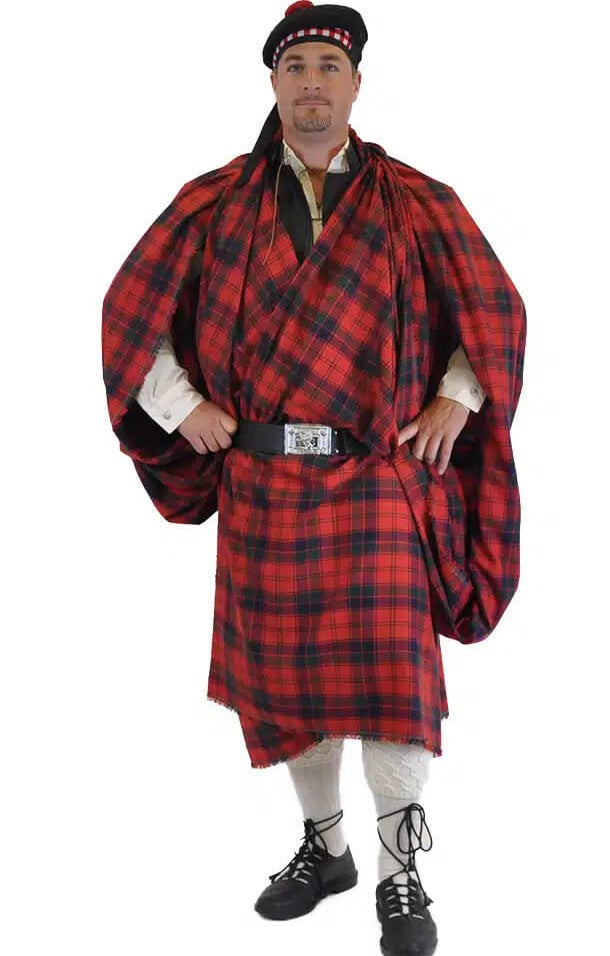
The feileadh mòr (great kilt) was an earlier form made from a large piece of fabric, worn draped and belted
The modern kilt, or feileadh beag (small kilt), is the tailored version with sewn pleats that most people recognize today
💌To better understand the cultural background behind this garment, it’s worth looking at why Scots wear kilts and how the tradition developed over time.
II. The Anatomy of an Authentic Kilt: Construction and Design
A traditional kilt may look simple from the outside, but how kilts are constructed is highly precise. Every component—from the fabric to the internal structure—is designed to create a clean silhouette, proper movement, and long-term durability. Understanding this anatomy helps you recognize the difference between a true kilt and a simplified imitation.
1. The Fabric: Why 100% Worsted Wool Matters
Authentic kilts are typically made from 100% worsted wool, often in a heavyweight cloth around 16oz. This choice isn’t just about tradition—it directly affects performance:
Holds pleats sharply, even after long wear
Provides structure, so the kilt hangs cleanly from the waist
Durable and long-lasting, often for decades
Naturally breathable, despite its weight

Modern alternatives like polyviscose are lighter and more affordable, but they don’t replicate the same crisp drape or longevity as wool.
2. The Pleats: How the Back Is Structured
The back of the kilt is defined by its pleats in a kilt, which are sewn down through the fell (the hip area) to create a fitted shape before opening into movement. Pleating is not decorative—it controls how the kilt fits and flows.
Types of Pleats in a Kilt |
Description |
Key Characteristics |
Usage |
Knife Pleats |
All pleats fold in one direction |
Clean, uniform look |
Most common modern kilts |
Box Pleats |
Pleats folded symmetrically |
Wider, more structured appearance |
Less common, more traditional styles |
Kingussie Pleats |
Traditional variation of pleating |
Distinct style, more historical |
Rare, used in specific designs |
3. The Aprons, Fringe, Straps, and Buckles
The front of the kilt is made up of overlapping panels, forming key parts of a kilt:
Under apron: The inner layer for coverage
Front apron: The outer visible panel
Fringe: A decorative edge along the front apron
The kilt is secured using:
Leather straps and buckles at the waist and hip
An internal canvas lining that reinforces structure
This system allows for adjustment while maintaining a clean, tailored appearance.
4. How a Kilt Is Measured and Worn on the Body
A kilt is worn higher than most modern garments, sitting at the natural waist rather than the hips. Key measurements include:
Waist (at navel level)
Hips
Length (waist to middle of the knee)

Modern tailoring has introduced refinements such as:
3D body measurement for precision fit
Ergonomic waistbands for comfort
Anti-chafe linings for extended wear
These updates improve usability while preserving the traditional structure.
III. Understanding Tartan: Kilt Pattern Name and Meaning Explained
When people search for the kilt's meaning, they’re often referring not just to the garment itself, but to the patterns it carries. Each kilt pattern name—commonly known as a tartan—can represent a clan, region, or historical identity.
1. What Is Tartan, Exactly?

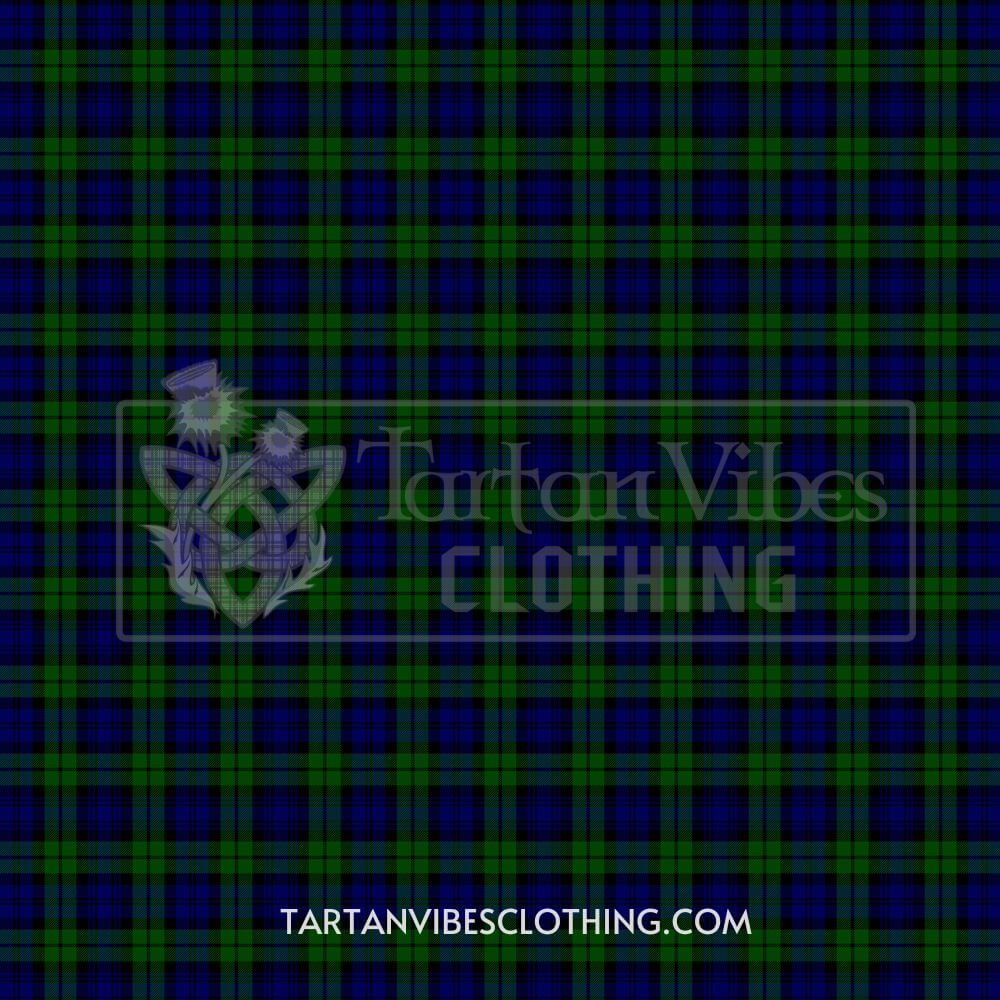

Tartan is a patterned cloth made with a twill weave, often called kilt fabric tartan, in which horizontal and vertical stripes intersect to form a repeating design known as a sett. Each sett is carefully planned so the pattern repeats evenly across the fabric. This is why kilts are cut and constructed with precision. Each design is also identified by a specific kilt pattern name, helping distinguish its origin and meaning.
2. Clan Tartans: A Badge of Identity
Tartan is often associated with Scottish clans, forming part of Scottish clan identity clothing, where specific patterns are linked to family names or heritage. This connection became especially prominent during the Victorian era, when Highland culture was revived and formalized. Over time, certain tartans came to be recognized as clan tartans, symbolizing identity and belonging. However, it’s worth noting:
Not all tartans are tied to clans
The system as we know it today is partly a modern interpretation of older traditions
3. District, Regimental, and Universal Tartans
Beyond clans, tartans can represent a wider range of identities:
District tartans: Associated with geographic regions
Regimental tartans: Worn by military units
Universal tartans: Designed for anyone to wear, regardless of background
This makes tartan more flexible than many people assume—it’s not strictly limited to ancestry.
4. Pleated to the Sett vs. Pleated to the Stripe
One of the more technical aspects of kilt design is how the tartan appears in the pleats. There are two main approaches:

- Pleated to the sett: The full tartan pattern repeats across each pleat, creating a consistent look from front to back
Pleated to the stripe: A specific vertical stripe is aligned through the pleats, creating a more uniform, linear appearance
This choice affects the overall visual style of the kilt and is often decided during tailoring.
💥Proper care matters too, especially when it comes to storage—learning how to fold a kilt properly helps preserve its structure and pleats over time.
IV. Where the Kilt Came From: A Brief History of the Kilt
The modern kilt didn’t appear overnight; it reflects the evolution of the kilt over time. What we recognize today is the result of centuries of evolution, shaped by environment, politics, and cultural identity in the Scottish Highlands.
1. The Early Highland Garment and the Great Kilt
The earliest form of the kilt emerged in the late 16th century as the feileadh mòr, also known as the great kilt or belted plaid, with the first clear written reference dating to 1594. Unlike the tailored version seen today, this garment consisted of a large piece of thick woolen cloth, often several meters (4–7 yards) long. It evolved from earlier Highland clothing, particularly the woolen cloak (brat) worn over a tunic (léine), which was then gathered and secured with a belt.

It was worn by:
Wrapping the fabric around the body
Belting it at the waist
Draping the upper portion over the shoulder or head
Highly versatile, the great kilt can also serve as a cloak, blanket, or even temporary shelter, making it ideally suited to the harsh, unpredictable climate of the Scottish Highlands.
2. The Rise of the Tailored Small Kilt
Over time, a more practical version emerged: the feileadh beag, or small kilt. This version focused only on the lower half of the garment and introduced:
Sewn pleats instead of hand-folded fabric
A more consistent, tailored fit
Greater ease of movement for work and daily wear
A key figure often associated with this transition is Thomas Rawlinson, who is said to have promoted a shorter, more practical version of the garment during the 18th century. This marked the beginning of the modern kilt as a structured piece of clothing, rather than a versatile cloth.
3. The 1746 Dress Act: When Highland Dress Was Restricted
Following the Jacobite Risings, the British government passed the Dress Act of 1746, which banned the wearing of traditional Highland clothing—including the kilt. The goal was to suppress Highland culture and reduce the influence of clan identity. For decades:
Wearing a kilt was illegal (outside of military service)
Traditional dress became a symbol of resistance and identity
This period significantly impacted how the kilt was perceived—not just as clothing, but as a cultural statement.
4. The 19th-Century Revival and Victorian Reinvention
After the repeal of the Dress Act in 1782, which had banned Highland dress, the kilt gradually experienced a cultural revival. In the early 19th century, a Romantic movement—driven by figures such as Sir Walter Scott and events like King George IV’s 1822 visit to Scotland—helped reframe Highland dress as a symbol of national identity rather than of rebellion.

During the Victorian era, the British Royal Family—particularly Queen Victoria and Prince Albert through their residence at Balmoral—actively embraced and promoted Highland dress. At the same time, clan tartans were standardized, popularized, and, in some cases, newly created, while the kilt itself transitioned from a regional Highland garment into a national symbol of Scotland. This period played a decisive role in reinventing the kilt, shaping both its modern cultural meaning and its iconic visual identity.
V. How to Wear a Kilt: The Full Highland Dress Ensemble
A kilt is rarely worn on its own. Traditionally, it’s part of a larger outfit known as Highland dress, where each item serves a specific purpose—both functional and aesthetic. Understanding these components helps you see the kilt not just as a garment, but as part of a complete system.
1. The Sporran
Because kilts don’t have pockets, a sporran is worn at the front, highlighting the sporran's purpose, hanging from a strap or chain around the waist. It serves as a practical pouch for carrying small items, but also plays a visual role in balancing the outfit. There are different styles depending on formality:
Day sporrans: Simpler, usually leather
Dress sporrans: More decorative, often with fur and metal detailing
2. Hose, Flashes, and Footwear
The lower half of the outfit is just as structured:
Kilt hose: Long socks that reach just below the knee
Flashes: Decorative garter ties that hold the hose in place
Ghillie brogues: Traditional shoes with long laces that wrap around the ankle
These elements are designed to complement the kilt while maintaining a clean, balanced look.
3. Kilt Pins, Sgian-dubh, and Other Accessories
Several smaller accessories complete the outfit, commonly known as kilt accessories:
Kilt pin: Worn on the front apron, primarily decorative, but adds weight
Sgian-dubh: A small knife traditionally worn tucked into the hose
Jacket options: Prince Charlie jacket (formal, evening wear) or Argyll jacket (more versatile, semi-formal)
In more formal settings, items like a jabot (lace neckwear) may also be included.
VI. When and Where People Wear Kilts Today
While the kilt has deep historical roots, it’s still actively worn today, reflecting the modern use of kilts across a range of settings—from formal ceremonies to modern fashion. Its role has expanded beyond tradition, but the core meaning remains tied to identity and presentation.
1. Common Situations Where Kilts Are Worn
Context |
How the Kilt Is Worn |
Key Features |
Kilts for weddings & Formal Events |
Full Highland dress with Prince Charlie jacket |
Dress sporran, polished shoes, formal accessories |
Kilts for Highland Games & Cultural Events |
Traditional or semi-formal outfit |
Clan tartan, kilt hose, ghillie brogues |
Military & Regimental Use |
Ceremonial uniform |
Regimental tartan, strict dress codes |
Casual & Everyday Wear |
Simplified or modern kilt styling |
Fewer accessories, more practical setup |
Modern Fashion / Streetwear |
Utility or tech-kilts |
Pockets, lighter fabrics, ergonomic design |
2. Utility Kilts and Casual Modern Adaptations
Beyond formal and cultural settings, kilts have also evolved into more practical and casual forms.
Type |
Material |
Purpose |
Key Difference |
Traditional Kilt |
Worsted wool (often 16oz) |
Ceremonial, cultural identity |
Strict structure, tartan-based |
Utility Kilt |
Cotton/polyviscose |
Workwear, casual use |
Added pockets, simplified design |
Tech-Kilt (Modern) |
Hybrid / treated fabrics |
Comfort + performance |
Ergonomic waistband, stain resistance |
Sustainable / Vegan Kilt |
RWS wool or alternatives |
Ethical fashion |
Focus on sustainability |
VII. Conclusion: A Living Legacy
The kilt is more than just traditional clothing—it represents a blend of history, identity, and craftsmanship that has evolved over time. From its origins in the Scottish Highlands to its role in modern fashion and formal wear, the kilt has adapted without losing its defining structure. Today, it exists in both classic and contemporary forms, reflecting both heritage and practicality. This ability to balance tradition with change is what keeps the kilt relevant—and why it continues to be worn around the world.
Frequently Asked Questions
What is the meaning of kilts?
The meaning of kilts goes beyond clothing. It represents Scottish heritage, identity, and tradition, often expressed through tartan patterns.
What is worn under a kilt?
Traditionally, nothing—this is sometimes referred to as going “True Scotsman.” However, in modern settings, many people choose to wear undergarments for comfort.
How many yards of fabric are in a kilt?
A traditional kilt typically uses around 5 to 8 yards of fabric, depending on the size and number of pleats.
What is the difference between the great kilt and the modern kilt?
The great kilt (feileadh mòr) was a large piece of cloth worn and draped, while the modern kilt (feileadh beag) is tailored with sewn pleats and a structured fit.
What is a kilt pattern name?
A kilt pattern name refers to the specific tartan design used in the garment, often linked to a clan, region, or organization.

Aimee Li
An author dedicated to exploring the rich history, vibrant culture,... of the Scottish clans. As an avid historian and fashion enthusiast, I have always been fascinated by Scotland's heritage and the timeless elegance of its traditional attire. Join me on this journey through the highlands and lowlands, as we delve into the heart of Scottish legacy together.


