

Celtic Symbols of Scotland: Their Meanings, History & National Heritage
by Teresa Finn on Jul 02, 2026
Table of Content
Celtic symbols of Scotland represent centuries of history, spirituality, and national identity. From ancient Pictish carvings to timeless designs like the Celtic Knot and Celtic Cross, and iconic emblems such as the Thistle, Unicorn, and Lion Rampant, these symbols continue to shape Scotland's cultural heritage today.
Although the terms Celtic symbols and Scottish symbols are often used interchangeably, they are not exactly the same. Many Celtic symbols are shared across Ireland, Scotland, and other Celtic nations, while Scottish symbols also include distinctive national emblems and ancient Pictish symbols that are unique to Scotland's history and culture.
In this guide, you'll discover the history, meanings, and origins of Scotland's most important Celtic and national symbols, learn how they differ, and explore why they continue to appear in Scottish art, jewelry, tattoos, fashion, and cultural traditions today.
The Most Recognizable Celtic Symbols of Scotland at a Glance
Symbol |
Category |
Meaning |
Common Uses |
Thistle |
Scottish National Symbol |
Protection, resilience |
National emblem, jewelry, clothing |
Unicorn |
Scottish National Symbol |
Purity, strength |
Royal coat of arms, souvenirs |
Lion Rampant |
Scottish National Symbol |
Courage, royalty |
Heraldry, national identity |
Saltire |
Scottish National Symbol |
Saint Andrew, national identity |
Scotland's national flag |
Celtic Knot |
Celtic Symbol |
Eternity, interconnectedness |
Jewelry, tattoos, artwork |
Celtic Cross |
Celtic Symbol |
Faith, spirituality |
Memorials, jewelry |
Trinity Knot (Triquetra) |
Celtic Symbol |
Trinity, eternal life |
Jewelry, Christian art |
Pictish Beast |
Pictish Symbol |
Unknown (possibly clan or spiritual symbol) |
Ancient carved stones |
What are Celtic Symbols of Scotland?
Celtic symbols of Scotland are traditional motifs, sacred emblems, and national icons that represent the country's Celtic heritage, spiritual beliefs, and cultural identity. While many of these symbols originated from the wider Celtic world, Scotland developed its own distinctive traditions through the influence of the ancient Picts, Gaelic culture, Christianity, and later medieval heraldry.
Unlike general Celtic symbols found across Ireland, Wales, and other Celtic nations, Scottish symbolism includes both shared Celtic designs—such as the Celtic Knot, Celtic Cross, and Trinity Knot—and uniquely Scottish emblems like the Thistle, Unicorn, Lion Rampant, Saltire, and ancient Pictish symbols carved into standing stones.
Today, these symbols remain an important part of Scotland's identity. They appear in national emblems, clan heritage, jewelry, tattoos, traditional clothing, architecture, and cultural celebrations, preserving centuries of Scottish history while continuing to inspire modern art and design.

Scottish Symbols vs Celtic Symbols
Although they are closely connected, Scottish symbols and Celtic symbols are not the same.
Celtic Symbols |
Scottish Symbols |
Shared across several Celtic nations, including Scotland, Ireland, and Wales |
Specifically associated with Scotland's history, culture, and national identity |
Often represent spirituality, eternity, faith, and nature |
Represent Scotland's monarchy, heritage, clans, and national pride |
Examples: Celtic Knot, Celtic Cross, Trinity Knot, Tree of Life |
Examples: Thistle, Unicorn, Lion Rampant, Saltire, Pictish symbols |
Many of Scotland's most recognizable symbols combine both traditions, making Scottish symbolism a unique blend of Celtic art, indigenous Pictish heritage, and medieval national identity.
The History of Celtic Symbols in Scotland
The Picts
Long before Scotland became a unified kingdom, much of northern and eastern Scotland was inhabited by the Picts, an indigenous people known for their carved standing stones. Dating from the 4th to 9th centuries, these monuments feature distinctive symbols such as the Pictish Beast, Crescent and V-Rod, Double Disc and Z-Rod, and Mirror and Comb.
Although scholars still debate their exact meanings, these carvings are widely believed to represent clan identities, social status, religious beliefs, or important historical events. Today, Pictish symbols remain one of the most distinctive features of Scotland's visual heritage, setting Scottish symbolism apart from that of other Celtic nations.

Gaelic Influence
From the early medieval period, Gaelic-speaking Celts from the kingdom of Dál Riata settled along Scotland's western coast, bringing with them Celtic artistic traditions, mythology, and spiritual beliefs. Over time, Gaelic culture spread throughout much of Scotland and blended with existing Pictish traditions.
Many of the best-known Celtic designs—including the Celtic Knot, Trinity Knot (Triquetra), and Tree of Life—became closely associated with Scotland during this period. These intricate patterns symbolized eternity, interconnectedness, nature, and the continuity of life, values that remain central to Celtic symbolism today.
Christianity
The arrival of Christianity from the 6th century onward transformed many existing Celtic motifs by incorporating them into religious art and architecture. Rather than replacing earlier traditions entirely, Christian missionaries often adapted familiar Celtic designs to communicate new beliefs.
This cultural fusion gave rise to iconic symbols such as the Celtic Cross, which combines the traditional Christian cross with a circular ring that has been interpreted as representing eternity, unity, or the sun. Monasteries and illuminated manuscripts also helped preserve the intricate knotwork that continues to define Celtic art.
Celtic Revival
Interest in Celtic culture experienced a major resurgence during the 19th-century Celtic Revival. Artists, historians, and scholars sought to preserve Scotland's ancient heritage by documenting traditional designs, folklore, and historical monuments.
During this period, Celtic symbols became widely used in jewelry, architecture, literature, and decorative arts, while national emblems such as the Thistle, Unicorn, and Lion Rampant gained renewed prominence as symbols of Scottish identity. Today, these historic motifs continue to inspire Scottish fashion, clan traditions, tattoos, and cultural celebrations worldwide.
Ancient Pictish Symbols of Scotland
Pictish Beast
The Pictish Beast is the most recognizable symbol found on Pictish stones and one of the greatest mysteries of early Scottish history. It resembles a hybrid creature with features resembling those of a dolphin, horse, or dragon, though no definitive interpretation exists. Archaeologists believe it may have represented a powerful clan, a spiritual guardian, or an important mythical figure within Pictish society.

Crescent & V-Rod
The Crescent and V-Rod combine a crescent shape intersected by a V-shaped rod. It frequently appears on Class I and Class II Pictish stones throughout Scotland. While its meaning remains uncertain, researchers commonly associate it with celestial symbolism, cycles of life and death, or social identity, making it one of the most frequently recurring Pictish motifs.

Double Disc & Z-Rod
Another distinctive design is the Double Disc and Z-Rod, featuring two connected circles crossed by a diagonal Z-shaped rod. Historians suggest the symbol may represent lineage, political alliances, or ceremonial authority, although no single interpretation has been universally accepted. Its repeated appearance across multiple sites indicates that it held significant cultural importance within Pictish society.

Mirror & Comb
The Mirror and Comb is often carved together on Pictish monuments and is widely believed to symbolize status, identity, or remembrance. These objects may have been associated with high-ranking individuals or used as markers of social prestige. Because they frequently appear on memorial stones, some historians also interpret them as symbols connected with death, ancestry, or the afterlife.
Unlike traditional Celtic knots that are found throughout Ireland, Wales, and other Celtic regions, Pictish symbols are unique to Scotland. Their distinctive designs appear almost exclusively on Pictish carved stones, making them an important part of Scotland's archaeological heritage. Together with later Gaelic, Christian, and medieval influences, these ancient carvings help explain why Scottish symbolism has its own identity within the broader Celtic world.
Traditional Celtic Symbols Used in Scotland
Celtic Knot

Celtic Cross

Trinity Knot (Triquetra)

Tree of Life

Triskelion

Dara Knot

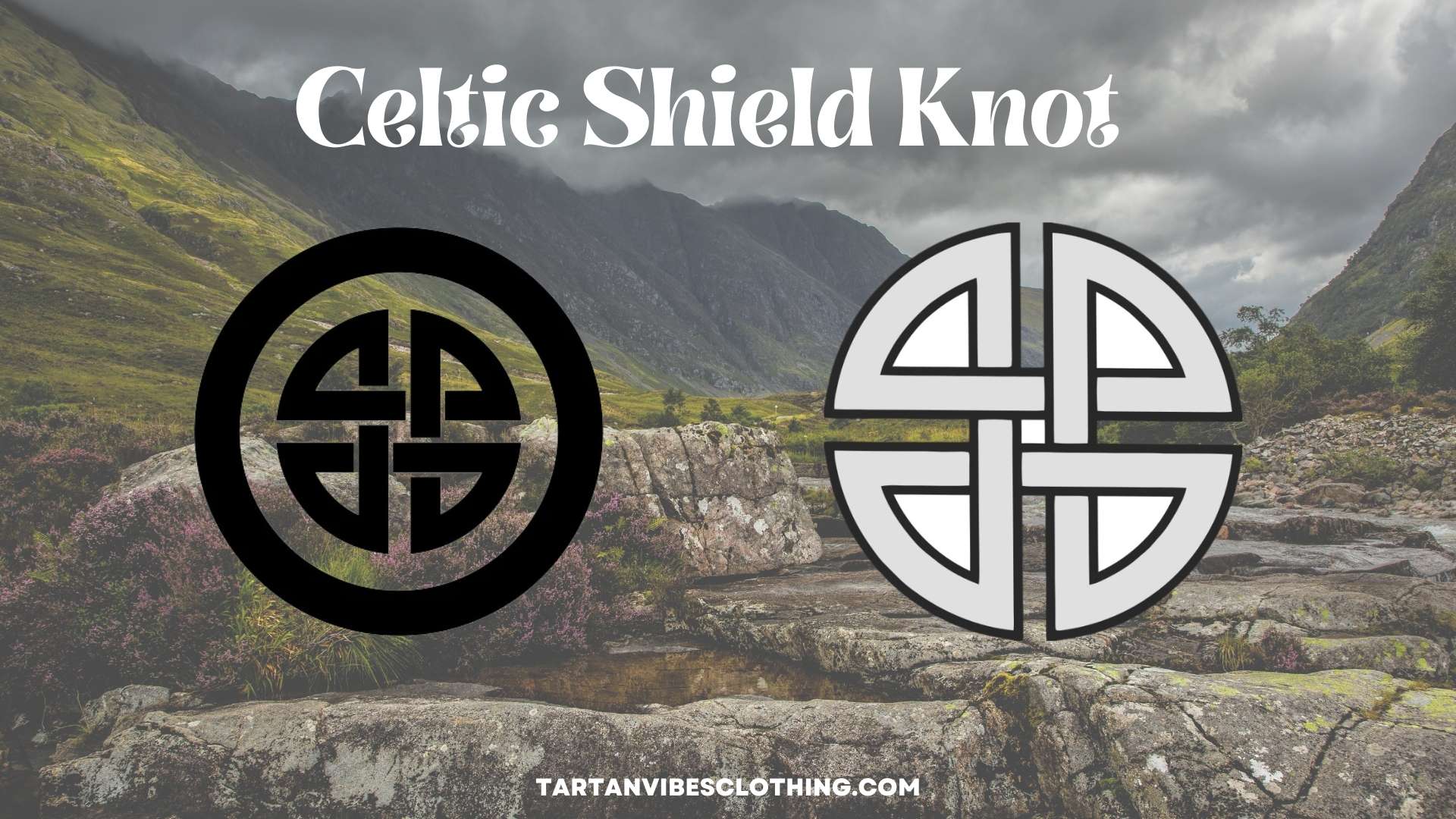
Shield Knot
Ailm

Solomon's Knot

Sailor's Knot

Celtic Love Knot

Motherhood Knot

Most Famous Scottish National Symbols
Thistle

Unicorn

Lion Rampant
The Lion Rampant is one of Scotland's oldest royal emblems, featuring a red lion standing upright on a golden background. Historically used by the Kings of Scots, it symbolizes royalty, courage, authority, and strength. Although often mistaken for Scotland's national flag, the Lion Rampant is officially the Royal Banner of Scotland and remains an important symbol of the Scottish monarchy and national heritage.

Saltire
The Saltire, also known as Saint Andrew's Cross, is the national flag of Scotland. Featuring a white diagonal cross on a blue background, it commemorates Saint Andrew, Scotland's patron saint. As one of the oldest national flags still in use, the Saltire represents Scottish identity, unity, and national pride, and is flown on public buildings, historic sites, and international sporting events.
Symbol |
Represents |
Official National Symbol? |
Thistle |
Protection, resilience, and national pride |
✅ National flower |
Unicorn |
Purity, strength, and nobility |
✅ National animal |
Lion Rampant |
Royalty, courage, and authority |
⚠️ Royal Banner of Scotland |
Saltire |
National identity and Saint Andrew |
✅ National flag |

Celtic Symbols in Modern Scotland
Jewelry

Tattoos

Fashion

Clan Heritage & Tartans
Many Scottish clans continue to preserve their identity through traditional symbols, clan crests, badges, and tartans. While Celtic-inspired motifs often appear in clan heraldry, each clan's tartan and crest represent its own unique history, ancestry, and family traditions. These emblems remain a meaningful way for people of Scottish descent to celebrate their heritage and maintain a connection to their ancestral roots.
Today, clan symbols are widely displayed on tartan clothing, accessories, ceremonial dress, and family gatherings. They also play an important role in genealogy, cultural events, and Highland traditions, helping keep Scotland's rich clan heritage alive for future generations.
Home Décor
Celtic symbols are widely incorporated into Scottish-inspired home décor, allowing people to celebrate their heritage through everyday living spaces. Timeless designs such as the Tree of Life, Celtic Knot, and Celtic Cross commonly appear on canvas wall art, house flags, blankets, bedding sets, pillow covers, tablecloths, and other decorative home accessories.
These symbolic designs combine traditional Celtic artistry with contemporary interiors, making them a meaningful way to showcase Scottish culture and family heritage at home.
Festivals & Cultural Events
Conclusion
Scotland's Celtic symbols reflect a rich blend of Pictish heritage, Celtic traditions, and Scottish national identity. From the timeless Celtic Knot and Celtic Cross to iconic emblems like the Thistle, Unicorn, and Lion Rampant, each symbol tells a unique story of Scotland's history, beliefs, and culture.
Whether you're exploring your ancestry, discovering Celtic traditions, or seeking meaningful Scottish-inspired designs, these enduring symbols continue to connect the past to the present. To continue your journey, explore our related guides on Celtic surnames, Scottish clans, and tartan heritage.
Frequently Asked Questions
What are the most important Celtic symbols in Scotland?
Some of the most important Celtic symbols in Scotland include the Celtic Knot, Celtic Cross, Trinity Knot (Triquetra), Tree of Life, Triskelion, and Dara Knot. Scotland also has distinctive national symbols, such as the Thistle, Unicorn, Lion Rampant, and Saltire, as well as ancient Pictish symbols unique to the country's history.
What is the difference between Celtic symbols and Scottish symbols?
Celtic symbols originate from the broader Celtic world and are shared across Scotland, Ireland, Wales, and other Celtic regions. Scottish symbols include Celtic designs, uniquely Scottish national emblems such as the Thistle, Unicorn, Saltire, and Lion Rampant, and ancient Pictish carvings found only in Scotland.
Are Scottish people considered Celtic?
Yes. Many Scots have Celtic ancestry, particularly through the Gaelic-speaking communities that settled in western Scotland. However, Scotland's cultural identity was also shaped by the Picts, Norse settlers, Anglo-Saxons, and later historical influences, making modern Scottish heritage more diverse than Celtic ancestry alone.
What is the oldest symbol associated with Scotland?
Some of Scotland's oldest surviving symbols are the Pictish carvings on standing stones, dating from the 4th to the 9th centuries. Among Scotland's national symbols, the Saltire (Saint Andrew's Cross) is one of the oldest continuously used national flags in the world and has represented Scotland for centuries.
Why are Pictish symbols unique to Scotland?
Unlike Celtic knots and crosses that appear throughout several Celtic nations, Pictish symbols are found almost exclusively on carved stones in Scotland. Their mysterious designs—including the Pictish Beast, Crescent and V-Rod, and Double Disc and Z-Rod—reflect the culture of the ancient Picts and form an important part of Scotland's unique archaeological and cultural heritage.

Teresa Finn
As someone with a deep passion for clan heritage, especially the intriguing world of tartans and their rich traditions, I'm here to be your companion on this exciting journey. Together, we'll delve into the depths of clan history, uncovering the stories behind these vibrant tartans and making every connection to your heritage more meaningful.


