



Discover the MacDougall of Lunga and Their Scottish Heritage
by Aimee Li on Nov 01, 2025
Table of Content
I. Who Are the MacDougall of Lunga?
The MacDougall of Lunga are a cadet branch of Scotland's Clan MacDougall, historically rooted in Argyll. Their ancestral seat is Lunga House—formerly Daill—on the Craignish peninsula near Craobh Haven; the estate was acquired by John MacDougall in 1744, and the house assumed the Lunga name around 1900. Today, the property is a Category B listed country house and the historic center of the family, which has also been styled Lindsay‑MacDougall of Lunga. The branch is documented in UK archives, and local church memorials commemorate members of the Lunga family who served in the First World War.
Known for their loyalty, seafaring spirit, and deep ties to the land, the MacDougalls of Lunga continue to represent a proud chapter in Scotland's clan history — preserving traditions, genealogy, and the legacy of their forebears through modern generations.
II. Origins of the MacDougall of Lunga
The origins of the Clan MacDougall and, by extension, its distinguished cadet line, the MacDougall of Lunga, reach back to the 12th-century Norse-Gaelic lord Dugall mac Somerled (also rendered "Dougall"), son of Somerled, the mighty ruler of the Isles and Argyll. The name "MacDougall" comes from the Gaelic Mac Dhùghaill, meaning "children of the son of Dougal," with Dougal deriving from the Gaelic dubh-gall, literally "dark foreigner" or "black stranger" — a term traditionally used for Norse settlers.
After Somerled's death in 1164, Dougall inherited much of Argyll, including key parts of the Hebrides and west-coast territories, establishing the clan's medieval roots in western Scotland. The MacDougalls of the Lunga branch later emerged as one of the clan's regional offshoots tied to the lands of Lunga in Argyll, carrying forward the legacy of seafaring ancestry, Highland landholding, and the enduring lineage of Somerled's descendants.
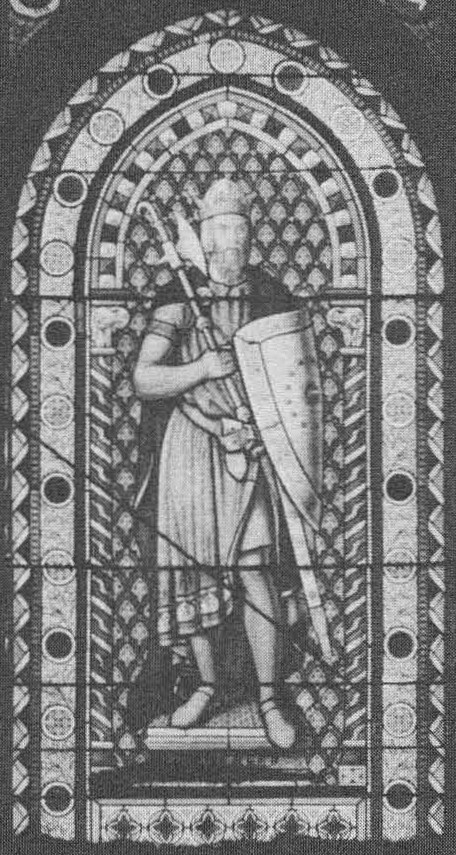
III. MacDougall of Lunga: Feuds and Alliances in Scottish History
1. The feud with Robert the Bruce
Rooted in the Norse‑Gaelic world of Somerled, the wider Clan MacDougall forged early alliances through marriage with the Kings of Man and the Isles, before rising as Lords of Lorn in Argyll. In the Wars of Independence, the MacDougalls aligned with the Comyn/Balliol faction—turning kin‑ties into a blood feud with Robert the Bruce. They ambushed Bruce at Dalrigh (1306) but were decisively beaten at the Pass of Brander (1308), after which Bruce took Dunstaffnage Castle, and MacDougall's influence waned.

2. Rivalry with Clan Campbell
Beyond Bruce, a long MacDougall–Campbell rivalry helped shape Argyll's politics; tradition holds that Cailean Mór Campbell fell to the MacDougalls at the Battle of the Red Ford (1294/1296). Later, King David II restored parts of their lands to John Gallda MacDougall, who also concluded a 1354 bond of peace with John of Islay (Lord of the Isles). Through the marriages of John Gallda's daughters, the lordship of Lorn passed to the Stewarts of Innermeath, recasting regional alliances.
IV. Prominent Figures of the MacDougall of Lunga Lineage
1. John MacDougall of Lunga
The story of the MacDougall of Lunga lineage begins in the late 18th century with John MacDougall, the earliest confirmed figure to carry the official title "of Lunga." A man of vision and determination, John MacDougall acquired the mainland estate then known as Daill, situated in the parish of Craignish, Argyll. Seeking to honor his ancestral ties to the nearby Isle of Lunga, he adopted the designation "of Lunga," a name that soon became synonymous with the estate itself.
Over time, Daill was renamed Lunga House, establishing a lasting connection between the MacDougall family and their new seat of heritage. This renaming not only symbolized a continuation of clan identity but also marked the beginning of a new chapter in the MacDougall of Lunga legacy—one deeply rooted in Scottish history, land, and tradition.
2. Lieutenant Colonel Stewart MacDougall of Lunga (1854–1915)
Lieutenant Colonel Stewart MacDougall of Lunga was a distinguished figure in the family's history and a proud representative of the MacDougall legacy in the late 19th and early 20th centuries. A seasoned career soldier, he served with distinction as a Lieutenant Colonel in the 10th Battalion of the Gordon Highlanders, one of Scotland's most respected regiments.
Tragically, his life came to an end on July 21, 1915, when he was killed in action in France during World War I. Reports suggest he was shot while inspecting his troops, demonstrating his unwavering commitment to his men even in the face of danger. His death at the age of 61 marked a sorrowful chapter for the family, made even more heartbreaking by the loss of his son, Captain Iain MacDougall, who had been killed in battle less than a year earlier.
3. Captain Iain MacDougall, the younger of Lunga (1887–1914)
4. Colin Lindsay-MacDougall of Lunga (born 1939)
Colin Lindsay-MacDougall of Lunga (born 1939) represents the modern era of the MacDougall of Lunga lineage, carrying the family’s proud Highland heritage into the 20th and 21st centuries. By the late 20th century, he became the Laird of Lunga, overseeing the ancestral estate in Argyll. The family name evolved to Lindsay-MacDougall after a historical union between the Lindsay and MacDougall families, two respected Scottish lineages.
As the economic landscape of rural Scotland changed and traditional farming declined, Colin Lindsay-MacDougall took a forward-thinking approach to modernize and revitalize the Lunga Estate. His leadership emphasized community development and new opportunities for local residents while preserving the estate’s historical integrity. One of his most notable achievements was the establishment of a yacht center in Ardfern, a nearby coastal village. This project not only encouraged tourism but also attracted businesses, artists, and craftspeople, breathing new life into the local economy.
Beyond his role as Laird, Colin Lindsay-MacDougall is known as an internationally recognized sailor, representing both Scotland’s maritime heritage and the adventurous spirit of the MacDougall name. His vision reflects the enduring resilience of the MacDougall of Lunga family, blending history, innovation, and community spirit in the heart of the Scottish Highlands.
V. The Lunga Estate: Heart of the MacDougall of Lunga Heritage
1. Historical Roots of the Lunga Estate

Its history traces back to the late 18th century, when John MacDougall of Lunga purchased the mainland property then known as Daill. The estate had once belonged to the Campbell of Craignish family, a long-standing rival clan—marking a powerful moment of reclamation and renewal for the MacDougalls. Inspired by the nearby Isle of Lunga, John adopted the territorial title “of Lunga.” Over time, the property became known as Lunga House, cementing a lasting link between the MacDougall name and this picturesque region of Argyll.
2. Architectural Heritage of Lunga Estate
Architecturally, Lunga House is a baronial-style mansion that showcases centuries of Scottish design evolution. Its central core, dating back to the mid-17th century, stands as a tangible link to the region’s early heritage. In the 19th century, the house underwent major expansion, transforming into the stately residence recognized today. The renovations introduced hallmark Scottish Baronial features such as turrets, crow-stepped gables, and ornamental stonework, granting the estate its distinctive grandeur while preserving its historic essence.
3. The Economic Revival of the Lunga Estate
As traditional farming and estate industries declined in the late 20th century, Colin Lindsay-MacDougall of Lunga, the Laird at the time, led a visionary effort to modernize the estate’s economy. Recognizing the need for diversification, he established a yachting center in Ardfern, transforming Lunga into a hub for tourism, sailing, and local enterprise. His leadership ensured the estate’s long-term sustainability and fostered a renewed sense of community and cultural pride. Today, the Lunga Estate stands as a symbol of heritage, adaptation, and continuity, embodying the enduring spirit of the MacDougall of Lunga lineage in the heart of Argyll.
Conclusion
The legacy of the MacDougall of Lunga continues to symbolize courage, continuity, and Scottish pride. From their ancestral seat overlooking Argyll's rugged coast to clan societies around the world, their story reflects an unbroken link between past and present. For those who cherish Scottish ancestry, the Lunga line remains a living reminder of honor, loyalty, and the enduring strength of Highland heritage.
Frequently Asked Questions
Who was the founder of the MacDougall of Lunga branch?
The branch descends from Dougal, son of Somerled, and later members established the Lunga estate in Argyll as a cadet branch of the main Clan MacDougall.
Where is Lunga located?
Lunga is situated in Argyll on Scotland's western coast, overlooking the Sound of Jura, surrounded by rugged terrain and beautiful coastal scenery.
What is the difference between Clan MacDougall and MacDougall of Lunga?
The Lunga line is a distinct branch of the larger Clan MacDougall, maintaining its own estate and leadership while remaining loyal to the clan chief.
What does the name "MacDougall" mean?
The name MacDougall comes from the Gaelic Mac Dhùghaill, meaning "Son of Dougal." Dougal itself means "dark stranger," reflecting the clan's ancient Norse-Gaelic roots.

Aimee Li
An author dedicated to exploring the rich history, vibrant culture,... of the Scottish clans. As an avid historian and fashion enthusiast, I have always been fascinated by Scotland's heritage and the timeless elegance of its traditional attire. Join me on this journey through the highlands and lowlands, as we delve into the heart of Scottish legacy together.


