



The Battle of the Western Isles (1585 - 1586): A Rivalry that Shaped the Hebrides
by Marcus Harris on Jul 15, 2024
Table of Content
The Western Isles of Scotland, also known as the Outer Hebrides, have a long and tumultuous history. Situated in the North Atlantic Ocean, these islands have been home to various clans and have witnessed many battles and conflicts. One such significant event was the Battle of the Western Isles, a series of clashes between the Clan Macdonald of Sleat and Clan MacDonald of Dunnyveg against the Clan Maclean. This rivalry not only affected the inhabitants of the Western Isles but also had larger implications for Scottish politics and society as a whole.
In this article, we will delve into the details of the Battle of the Western Isles, exploring its causes, key players, and consequences. We will also examine how this conflict shaped the history of the Western Isles and its impact on the clans involved. So, let's journey back in time to the late 16th century and uncover the story of this bitter feud.
Background of the Conflict
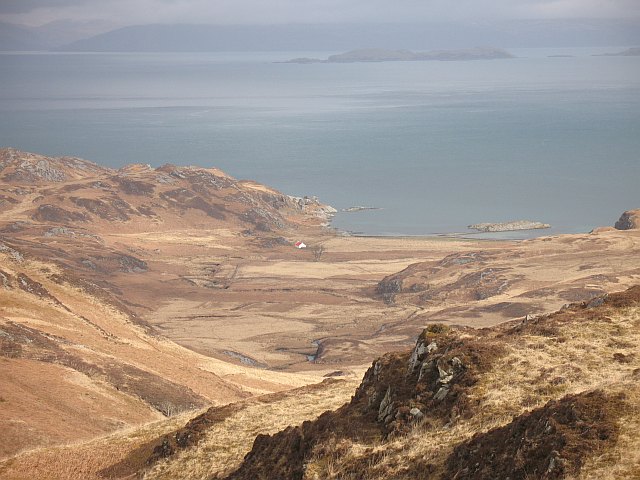
The Western Isles, also known as the Hebrides, are a group of islands off the west coast of Scotland. The archipelago consists of over 500 islands, of which only around 80 are inhabited by people. These islands have a long history of human settlement, with the earliest evidence dating back to the Mesolithic period.
By the late 16th century, the Western Isles were divided among various clans who controlled and defended their territories fiercely. The two prominent clans involved in the Battle of the Western Isles were the Clan Maclean and the Clan MacDonald.
The Macleans were one of the most powerful clans in the Inner Hebrides, with their stronghold on the island of Mull. They had a long-standing rivalry with the Clan MacDonald, who controlled the neighboring island of Islay and the peninsula of Kintyre. The MacDonalds were also divided into two branches - the MacDonalds of Sleat and the MacDonalds of Dunnyveg.
The Clans Involved
Clan Maclean
The Macleans were a sept of the larger Clan MacLeod and claimed descent from Leod, a Norse-Gaelic ruler of the Isle of Skye. With their main seat at Duart Castle on the Isle of Mull, they held significant influence in the region and were known for their fierce warriors.
Under the leadership of Lachlan Mor Maclean, the clan was expanding its power and territories, causing tensions with other clans, especially the MacDonalds. The Macleans were staunchly Catholic, adding a religious dimension to their conflicts with the Protestant MacDonalds.
Clan Macdonald of Sleat
The MacDonalds of Sleat descended from Somerled, a 12th-century warlord who ruled over the Kingdom of the Isles. They were based on the Isle of Skye and controlled Sleat, the southernmost part of the island. The clan had a reputation for being skilled seafarers and were considered one of the most powerful clans in Scotland.
The chief of the MacDonalds of Sleat at the time of the Battle of the Western Isles was Donald Gorm Mor. He was a staunch supporter of the Protestant cause and enjoyed good relations with the Scottish Crown.
Clan MacDonald of Dunnyveg
The MacDonalds of Dunnyveg were a branch of the larger Clan Donald, who ruled over the Hebrides and parts of Ireland. They controlled territories on the Isle of Islay and the neighboring peninsula of Kintyre. Unlike the MacDonalds of Sleat, this branch of the clan remained Catholic.
The chief of the MacDonalds of Dunnyveg during the Battle of the Western Isles was Angus MacDonald of Islay. He was known for his military prowess and played a significant role in the conflicts against the Macleans.

Causes of the Conflict of The Battle of the Western Isles
Feud over Cattle Raiding
Cattle raiding, also known as reiving, was a common practice among the clans in the Scottish Highlands and Islands. It involved stealing livestock from rival clans as a form of retaliation or to gain wealth and resources. This practice often led to violent conflicts and further fueled existing rivalries.
In 1585, a party of the MacDonalds of Sleat were accused of stealing cattle from the Macleans of Jura. In response, Lachlan Mor Maclean and his men ambushed and slaughtered the MacDonalds, mistaking them for their rivals. This incident sparked a chain of retaliations and counter-retaliations between the two clans.
Political Tensions
The Western Isles were strategically located, making them a valuable asset for the Scottish Crown. As a result, there was constant rivalry and power struggles between the clans to gain control over these islands. The Macleans, being one of the most powerful clans, were determined to expand their territories, often at the expense of other clans.
This expansionist policy of the Macleans created tensions with the MacDonalds, who also had ambitions to increase their influence in the region. This ongoing power struggle played a significant role in the conflicts that erupted between the two clans.
Religious Differences
During the 16th century, Scotland was deeply divided along religious lines, with the majority of the population adhering to Protestantism while a minority remained Catholic. This religious divide also affected the clans in the Highlands and Islands, with some clans converting to Protestantism, while others remained loyal to the Catholic Church.
The Macleans were staunch Catholics, while the MacDonalds of Sleat had converted to Protestantism. This difference in faith not only added to the existing animosity between the two clans but also aligned them with different factions in Scottish politics.
The Clash on Jura
The first major clash between the Macleans and the MacDonalds of Sleat occurred on the island of Jura, one of the Inner Hebrides. In August 1585, Lachlan Mor Maclean and his men ambushed and killed several members of the MacDonald clan, mistaking them for cattle thieves.
The MacDonalds of Sleat retaliated by attacking the Macleans' stronghold on Jura, known as Glen Garrisdale. However, they were unsuccessful in their attempt to seize the castle. This incident marked the beginning of a series of conflicts between the two clans.
Macleans vs MacDonalds of Sleat
After the attack on Glen Garrisdale, the Macleans launched a full-scale assault on the MacDonalds of Sleat's stronghold on the Isle of Skye. They were joined by their allies, the Clan MacDonald of Dunnyveg, and a fierce battle ensued.
The Macleans were initially successful and managed to capture the castle, but they were eventually driven out by reinforcement from the MacDonalds. The fighting continued for several weeks until James VI of Scotland intervened and ordered both clans to stand down.
Intervention by James VI of Scotland
James VI, who would later become King James I of England, was determined to restore order in the Western Isles and put an end to the ongoing conflicts. In September 1585, he sent a royal force led by Sir William Stewart to quell the violence between the Macleans and the MacDonalds.
Sir William successfully negotiated a truce between the two clans, and the Macleans agreed to pay compensation to the MacDonalds of Sleat for the massacre on Jura. However, this intervention did not bring lasting peace, and the conflict soon spread to other islands.

The Conflict Spreads to Islay, Mull and Tiree
Although the Battle of the Western Isles is often associated with the Outer Hebrides, the majority of the clashes actually took place in the Inner Hebrides. After the truce negotiated by Sir William Stewart, tensions continued to simmer between the Macleans and the MacDonalds, leading to further confrontations.
Retaliation by MacDonalds of Sleat and Dunnyveg
In early 1586, the MacDonalds of Sleat and Dunnyveg launched a retaliatory attack on the Isle of Mull, the main stronghold of the Macleans. They also targeted the nearby islands of Tiree and Coll, burning down villages and destroying crops and livestock.
This retaliation prompted Lachlan Mor Maclean to seek help from other clans, including the MacLeods of Harris and the Campbells of Argyll. The fighting between the clans continued, with each side claiming victories and suffering losses.
Further Intervention by the Crown
With the conflict showing no signs of ending, James VI once again intervened to restore peace. He ordered an investigation into the ongoing clashes in the Western Isles and passed an act of Parliament in March 1586 to levy fines on any clan chiefs who did not maintain peace among their vassals.
This act proved to be effective, and the fighting eventually came to an end. Both sides agreed to a truce, and the Macleans paid compensation to the MacDonalds for the damages caused to their lands during the conflict.
Resolution and Consequences of The Battle of the Western Isles
Act of Parliament passed
The act of Parliament enacted in March 1586 was aimed at curbing the violence that had plagued the Western Isles. The act stated that any clan chief who failed to maintain peace among their vassals would be fined a substantial sum. This act proved to be an effective deterrent and helped in maintaining relative peace in the region for several years.
Impact on clans and Scottish society
The Battle of the Western Isles had a significant impact on the clans involved, particularly the Macleans and the MacDonalds. They had suffered heavy casualties and financial losses during the conflicts, weakening their power and influence in the region.
The Crown's intervention also had wider implications for Scottish society. It demonstrated that the central government was determined to maintain law and order in the Highlands and Islands, setting a precedent for future interventions in clan conflicts.
Legacy of the Battle of the Western Isles
The Battle of the Western Isles has left a lasting imprint on the history of the Hebrides. The conflicts between the clans shaped the political landscape of the islands and had a profound impact on the lives of its inhabitants.
Today, the Western Isles are a popular tourist destination, attracting visitors from all over the world. However, the legacy of the Battle of the Western Isles is still evident in the ancient ruins, castles, and monuments that dot the islands, serving as a reminder of the violent past that ultimately shaped the present.
Conclusion
The Battle of the Western Isles was a bitter feud that took place between the Clan Maclean and the MacDonalds in the late 16th century. This conflict not only affected the inhabitants of the Western Isles but also had larger implications for Scottish politics and society.
The rivalry between these two powerful clans sparked a series of clashes that lasted for almost a year and spread to numerous islands in the Inner Hebrides. It was only through the intervention of the Scottish Crown and the passing of an act of Parliament that peace was finally restored.
The Battle of the Western Isles may have ended, but its legacy continues to live on, leaving an indelible mark on the history of the Hebrides.
Clan heritage in your hands!
Frequently Asked Questions
What were the primary causes of the Battle of the Western Isles?
The primary causes of the Battle of the Western Isles included historical clan rivalries, political ambitions to control strategic territories, and religious differences between the clans. Cattle raiding and retaliatory attacks also played a pivotal role in escalating the conflict.
What was the significance of the Scottish Crown's intervention in the conflict?
The Scottish Crown's intervention, particularly by King James VI, was significant because it helped to restore peace through mediation and legislation. The act of Parliament passed in 1586 imposed fines on clan chiefs who failed to maintain peace, effectively curbing the violence and setting a precedent for future interventions in clan disputes.
How did religious differences contribute to the conflict?
Religious differences added another layer of tension between the clans. The Macleans were staunch Catholics, while the MacDonalds of Sleat had converted to Protestantism. These religious affiliations aligned them with different factions in Scottish politics and exacerbated their rivalry.
What impact did the Battle of the Western Isles have on the clans involved?
The battle had a significant impact on the clans, weakening their power and influence due to heavy casualties and financial losses. The conflict also illustrated the importance of the Crown's authority in maintaining peace, which had wider implications for the governance of the Highlands and Islands.
How did the conflict affect the political landscape of the Western Isles?
The conflict and its resolution contributed to the centralization of power in Scotland. The Crown's successful intervention demonstrated its commitment to maintaining law and order in the region, thereby reducing the autonomy of the clans and increasing the influence of the central government.

Marcus Harris
Greetings, I'm Marcus Harris—a passionate advocate for the profound beauty found in cultural and historical richness. Join me as your dedicated companion on a captivating journey through time and traditions. Together, let's unravel the vibrant threads of culture and history that intricately weave the fabric of our shared human experience.


