



The Battle of the Spoiling Dyke (1578): A Tragic Feud in the Scottish Highlands
by Marcus Harris on Jul 15, 2024
Table of Content
The Battle of the Spoiling Dyke, also known as the Trumpan Massacre, was a violent event that took place in the Scottish Highlands during the 16th century. It pitted two powerful clans, the Clan MacDonald of Uist and the Clan MacLeod, against each other in a long-standing feud. This battle has become a significant event in Scottish history, with lasting consequences and effects on the region.
1. Introduction
The Battle of the Spoiling Dyke occurred in the year 1578 in the Scottish Highlands, specifically on the Isle of Skye in Ardmore Bay. It was a clash between two powerful clans, the MacDonalds and the MacLeods, who had been at odds for many years. The catalyst for this battle was a massacre that had taken place a few years earlier, where the MacLeods had killed members of the MacDonald clan at the Cave of Frances on the Isle of Eigg.
The Battle of the Spoiling Dyke is an important event in Scottish history because it not only marks a significant point in the ongoing feud between the two clans, but it also showcases the brutal and ruthless nature of Highland clan warfare during this time period.

2. Historical Context of The Battle of the Spoiling Dyke
Historical Period
Political and Social Situation
The ongoing feud between the MacDonalds of Uist and the Clan MacLeod can be traced back to the 14th century when the MacLeods took control of the Isle of Skye from the MacDonalds. This resulted in a long-standing rivalry between the two clans, with both sides seeking to gain power and control over the region.
In 1577, the MacLeods carried out a massacre at the Cave of Frances on the Isle of Eigg, killing members of the MacDonald clan who were seeking refuge there. The MacDonalds were seeking revenge for this atrocity, which eventually led to the Battle of the Spoiling Dyke.
Key Figures
3. Battle Progression of The Battle of the Spoiling Dyke
Preparation Phase
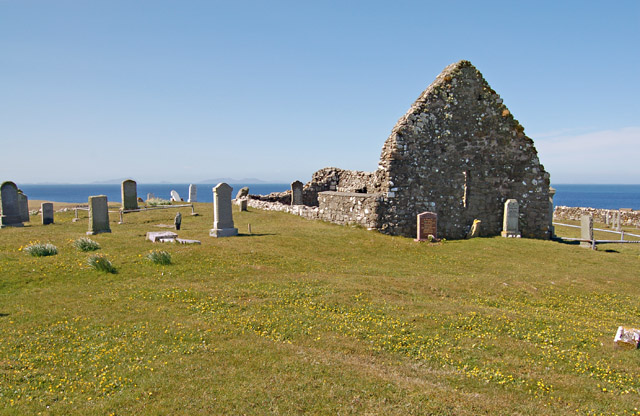
The events leading up to the Battle of the Spoiling Dyke began when the MacDonalds burned down the Trumpan Church, also known as Kilconan Church, on the east shore of Ardmore Bay. This was seen as a direct attack on the MacLeods, who had strong ties to the church and its congregation. The MacDonalds then barricaded the doors of the church and set it on fire, killing almost everyone inside. Only one girl managed to escape and raise the alarm, but by the time the news reached the chief of the Clan MacLeod
Main Events
Upon learning of the attack on the Trumpan Church, Lachlan Mor MacLean gathered his men and set off for Ardmore Bay. They engaged in a fierce battle with the MacDonalds, which lasted for several hours. The two sides fought fiercely, using various weapons and tactics.
The battle took place in an area known as the Shieling Hill, and both sides suffered heavy casualties. In the end, the MacDonalds were defeated, with their bodies scattered across the battlefield. The surviving members of the MacDonald clan were dragged and buried in a nearby turf dyke.
Outcome
4. Consequences and Effects of The Battle of the Spoiling Dyke
Immediate Consequences
The immediate consequences of the Battle of the Spoiling Dyke were devastating. It is estimated that over 395 people were killed in the battle, including women and children. The Trumpan Church was left in ruins, and the surrounding area was left scarred by the violence.
Politically, the battle had a significant impact on the region. With the defeat of the MacDonalds, the Clan MacLeod emerged as the dominant force in the area and gained control over the Isle of Skye. This allowed them to expand their power and influence in the Highlands.
Long-term Effects
The Battle of the Spoiling Dyke had long-lasting effects on the region and its people. It further deepened the divide between the two clans and reinforced their ongoing feud. It also led to increased tensions between other clans and contributed to the overall instability in Scotland during this time period.
Economically, the battle had a significant impact on the region, as it disrupted trade and commerce in the area. It also caused displacement and loss of property for those involved, leading to long-term social and economic repercussions.
Legacy and Impact
The Battle of the Spoiling Dyke has left a lasting legacy in Scottish history. It is remembered as one of the bloodiest and most tragic events in the Highland clan feuds. The battle also serves as a cautionary tale of the brutal and violent nature of these conflicts during this time period.
The battle has also had a cultural impact on the region, with various traditions and customs stemming from it. The turf dyke where the MacDonalds were buried is still known as “Traigh na Cleit” or “Beach of the Buried” in Gaelic, and there are many local legends and stories surrounding the site.
Additionally, the Battle of the Spoiling Dyke has provided valuable strategic and military lessons for future generations. It serves as an example of the consequences of ongoing feuds and the importance of seeking resolution and peace rather than continuing cycles of violence.
5. Conclusion
The Battle of the Spoiling Dyke was a tragic event that took place in the Scottish Highlands during the 16th century. It marked a significant point in the ongoing feud between the MacDonalds of Uist and the Clan MacLeod and had long-lasting consequences and effects on the region.
Despite its violent and brutal nature, the Battle of the Spoiling Dyke serves as an important reminder of the impact of clan warfare and the need for peaceful resolutions to conflicts. It continues to be remembered and studied today as a pivotal moment in Scottish history.
Clan heritage in your hands!
Frequently Asked Questions
1. What are some long-term cultural impacts of the Battle of the Spoiling Dyke on the region?
The Battle of the Spoiling Dyke has had lasting cultural impacts on the region. It is remembered in local folklore and traditions, with the site of the battle and the resting place of the fallen MacDonalds, known as "Traigh na Cleit" or "Beach of the Buried," becoming part of the region's historical narrative. The battle also serves as a poignant reminder of the destructive nature of clan feuds and has been immortalized in stories and legends that continue to be passed down through generations.
2. Who were the MacDonalds and the MacLeods, and why were they in conflict?
The MacDonalds and the MacLeods were two powerful clans in the Scottish Highlands. The MacDonalds, often referred to as the Lords of the Isles, were known for their significant influence and territories, including parts of the Western Isles. The MacLeods were another prominent clan with strongholds on the Isle of Skye. Their conflict dates back to territorial disputes and power struggles, particularly after the MacLeods took control of the Isle of Skye from the MacDonalds in the 14th century, leading to a longstanding rivalry.
3. What role did geography play in the Battle of the Spoiling Dyke?
Geography played a crucial role in the Battle of the Spoiling Dyke. The Isle of Skye's rugged terrain, with its hills, valleys, and coastline, provided strategic advantages for both defensive and offensive maneuvers. The location of the battle near Ardmore Bay meant that both clans had to navigate difficult terrain, which could be used for ambushes and surprise attacks, as was common in Highland warfare.
4. How did the outcome of the Battle of the Spoiling Dyke affect the power dynamics in the Isle of Skye?
The outcome of the Battle of the Spoiling Dyke significantly affected the power dynamics in the Isle of Skye. With the decisive victory of the Clan MacLeod, they solidified their control over the region. This victory not only reinforced their dominance over the MacDonalds but also allowed them to expand their influence and power in the Highlands. The defeat of the MacDonalds weakened their position and forced them to seek refuge elsewhere, altering the balance of power.

Marcus Harris
Greetings, I'm Marcus Harris—a passionate advocate for the profound beauty found in cultural and historical richness. Join me as your dedicated companion on a captivating journey through time and traditions. Together, let's unravel the vibrant threads of culture and history that intricately weave the fabric of our shared human experience.


